.png?h=455&iar=0&w=1182&rev=d74e300da7ba4627bde32b9c768419b5)


Resource Article
Comparing Replacement Window Materials: Wood vs. Fibrex® Material
Key Takeaways
- Comparing wood windows and composite windows comes down to deciding between natural beauty and more customization or low-maintenance durability and long-term stability.
- Consider wood windows if you want a natural, traditional look with the ability to paint or stain to match your home’s style.
- Consider composite windows if you want a durable, low-maintenance option that stays strong through extreme temperature changes.
What’s the difference between wood and composite material for windows? And which replacement window material is the best for your home? After replacing windows in millions of homes, we’ve learned that both options have their benefits.
Wood windows are known for their strength, durability, and beauty, which has made them a popular choice for centuries. Today, most wood windows are made with cladding.
Perfected in 1992, Fibrex® composite material shares some of the best qualities of wood, including its beauty, strength, and reliable insulation. Keep reading to break down the pros and cons of each window material to compare your options. You’ll quickly learn about some of the top considerations for wood and composite material, including durability, strength, window maintenance, climate, and design flexibility.
Wood vs. Clad-Wood Windows: What’s the Difference?
Wood windows are timeless, but here’s the thing: Most wood windows aren’t actually made from all wood anymore. When you hear the term “wood windows,” there’s a good chance they’re actually clad wood.
Cladding is the technology used to apply a different material to the exterior of a wood window. Acting as a barrier, window cladding can help resist moisture, wood rot, insect damage, and damage from harmful UV rays.
Exterior window cladding is often a durable material such as aluminum, vinyl, or fiberglass.
What Are the Pros and Cons of Wood Windows?
There’s a lot to love about wood windows. They’re durable, strong, easy on the eyes, and energy-efficient by design with natural insulation. Windows made from all wood interior also come with tradeoffs—and that isn’t a knock on wood. With wood windows, consider how much time you want to spend maintaining your windows and how much you’re able to pay up front.
Pros of wood windows
- Durability and strength: Wood is strong and durable, often lasting for more than 20 years—and even longer with regular care and high-quality window materials. Some of the most durable types of wood for windows are Douglas fir, cherry, oak, pine, alder, and maple.
- Customizable: Compared to most window materials, wood can offer more flexibility with paint colors, stains, and finishes to fit your home’s style. Wood windows give you the flexibility to repaint the interior if you remodel your home or update the design. With clad-wood windows, you can customize and protect the exterior frame using durable materials like aluminum, vinyl, or fiberglass.
- Insulation: Wood is a natural insulator. Dependable window insulation can improve energy efficiency and reduce energy costs by helping maintain your home’s temperature.
- Home value: If you’re prioritizing return on investment, wood windows can be a good fit for your home long term. Wood windows can recover up to 70% of their original cost, according to the Journal of Light Construction’s 2025 Cost vs. Value Report.
Cons of wood windows
- High maintenance: Wood requires more maintenance because it’s an all-natural material that can become more vulnerable to damage from moisture over time. Natural wear and tear is normal for wood windows, but occasional maintenance can help preserve their appearance and resist damage.
- Cost: You may spend more time and money on finishing materials for upkeep over time. The average cost to install one wood window is $1,300, according to the home improvement experts at Angi.
- Wood rot: Caused by fungi, wood rot grows when moisture gets trapped in the window frame. Without proper treatment, wood can peel, crack, and absorb water, increasing the risk of both moisture and insect damage. Repairing water damage can cost anywhere from $150-$600, though some homeowners might pay more if it’s severe.
- Insect damage: Termite or carpenter ant damage shows up differently than wood rot, and knowing the differences could help you prevent further damage. Two of the biggest differences between insect damage and wood rot are the texture and appearance. Wood rot can become moldy and feel soft, spongy, or crumbly. Some of the top signs of insect damage in windows are tiny, round, open holes in the wood, insect droppings, and dirt-like tubes.
What Is Fibrex® Material?
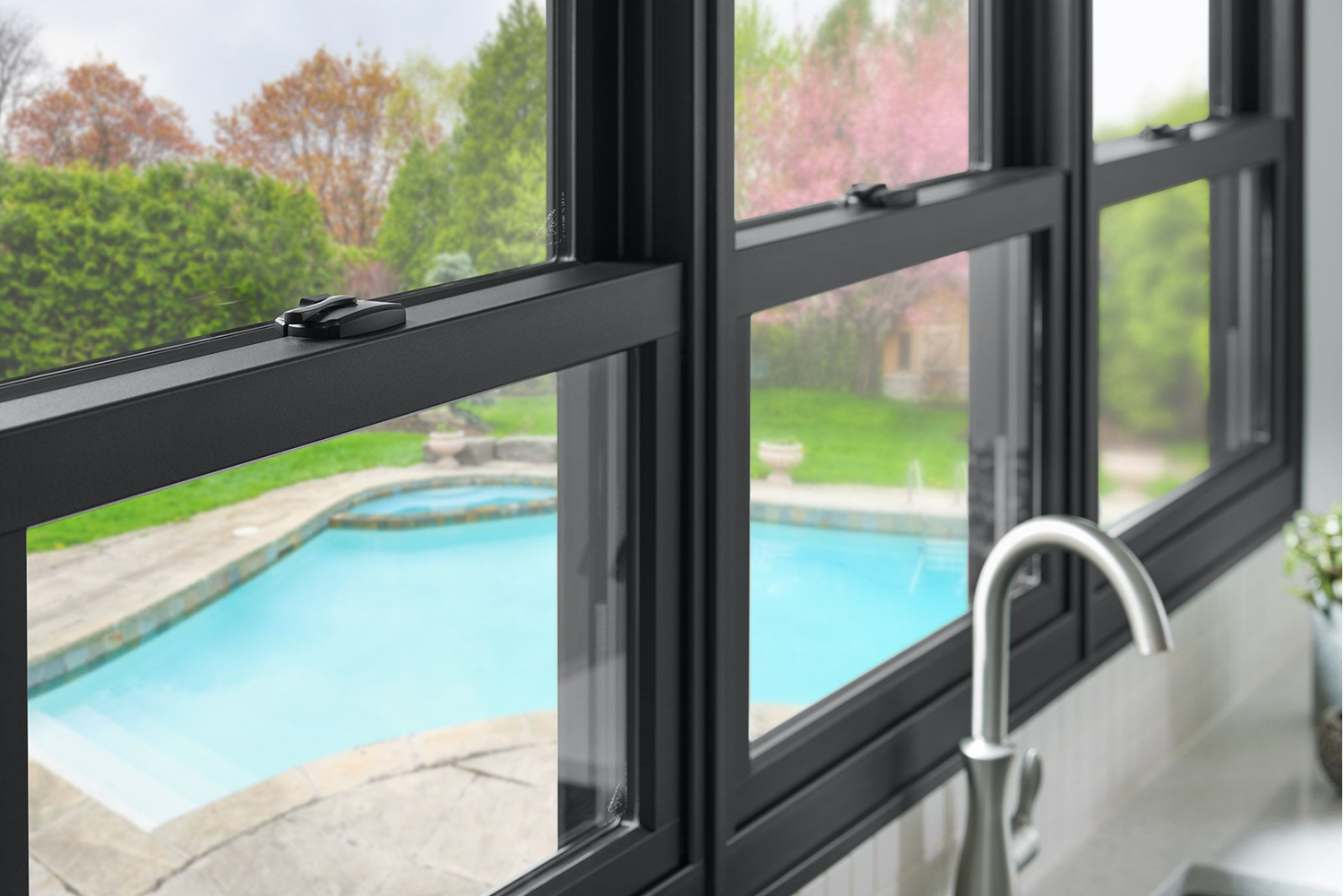
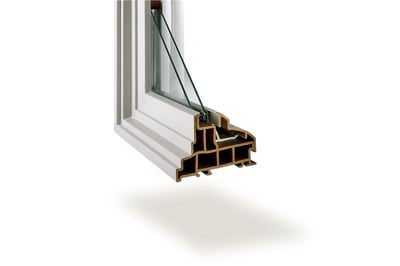
Fibrex material is made from reclaimed wood fiber and thermoplastic polymer, combining the strength and stability of wood with the low-maintenance qualities of vinyl. The wood fibers are fully wrapped in polymer, which can help the window resist the elements. In fact, Fibrex material can withstand temperatures up to 150°F after 30 years in a home.*
Pros of Fibrex® material
- Durability and strength: Fibrex® material has the strength and durability of wood and the low-maintenance features of vinyl. Fibrex material is proven to stand the test of time, continuing to perform well after 30 years of exposure to extreme temperatures.*
- Low maintenance: Fibrex material is easy to clean, highly resistant to rotting, and never requires painting or staining because the color is blended into the exterior material. Plus, Fibrex material is warranted not to rot, chip, corrode, flake, or peel.
- Energy efficiency: Fibrex material is an excellent insulator that reduces the transfer of heat and cold. The structural strength limits thermal expansion, the temporary expansion or contraction of material with outdoor temperature changes, which can cause drafts over time.
- Home resale value: Fibrex material can boost your home’s resale value because of its strength, durability, and wood-like appearance. In fact, replacing your windows with Andersen® brand products increases the value of a home.**
Cons of Fibrex material
With Fibrex material, consider the upfront costs, when your return on investment could pay off, and if you want more design flexibility.
- Price: Windows made with Fibrex composite material can cost more upfront than standard wood windows, especially unfinished or basic wood options.
- Timing: For Fibrex material, your investment in your home pays off over time. Consider a more budget-friendly replacement window material if you don’t plan to keep your home long term.
- Design options: Fibrex material doesn’t have as much design flexibility as wood. Wood windows have more options for stains and natural wood grains, allowing for more customization.
- Availability: Replacement windows made with Fibrex composite material are exclusively available through Renewal by Andersen.
Maintenance: Wood vs. Fibrex® material
- Wood windows require routine maintenance to keep their appearance and performance. Regular cleaning can help prevent buildup that can wear down the wood over time. Painting and staining can help windows made of wood resist moisture, rot, harmful UV damage, and warping by acting as a protective seal. Over time, paint can crack, bubble, and peel, so wood windows typically need scraping and repainting every few years.
- Fibrex material requires minimal maintenance. Plus, Fibrex material can stay strong after 30 years of exposure to severe hot and cold temperatures.* Keeping composite windows clean is all that’s needed to keep them looking fresh and new.
Design Options for Wood and Fibrex® Material
Looks aren’t everything, but your replacement windows should feel like a natural part of the home. For design options, consider color choices, interior and exterior finishes, hardware, and grilles. Both wood and Fibrex® material have a variety of design options to consider.
Wood windows are popular for their beauty and design flexibility. You can paint or stain wood windows at any time, which works well if you plan to change your home’s style. Many wood windows also have exterior cladding, which can help protect the wood from weather while keeping the natural look inside.
Fibrex material used in Acclaim® windows is custom built for durability and efficiency. You’ll have plenty of design options with more than 49 color combinations, dozens of grille patterns, 13 hardware finishes, and energy-efficient window glass options. Still, wood can have more design flexibility with paint and stain because Fibrex material keeps the original finish.
Which windows hold up against decay?
Replacement windows made with Fibrex® material resist rot, while wood windows are more likely to trap moisture, leading to problems and decay over time.
Wood windows made from solid wood are more likely to experience decay and rot than Fibrex material, especially in humid climates with high exposure to moisture. Over time, moisture can soak into natural wood, creating damp conditions that allow the wood to decay.
Beyond routine maintenance, you buy window cladding on the exterior to help the wood resist water damage and other problems. Andersen offers Perma-Shield® cladding, a tough protective shell made from vinyl that helps clad-wood repel water and resist dents inside and out.
Fibrex material uses a special polymer blend to coat each wood fiber in the manufacturing process to help resist rot. The coating can help block moisture, which is how Fibrex material resists rot and decay over time.
Wood windows vs. composite windows—which is more durable?
Both wood and Fibrex composite material are durable and strong materials. The biggest difference is how each window material maintains durability over time.
Clad-wood windows have been a go-to because they’re naturally durable and strong. But with great durability comes great responsibility—you’ll likely spend more time maintaining wood than Fibrex material.
Fibrex material maintains its durability over time, meaning your windows will open and close as smoothly years from now as they do on installation day with little maintenance.*
Which window material is more energy efficient?
About 43% of home bills go toward heating and cooling. When you’re comparing replacement window materials, consider how energy-efficient windows could help you save an average of up to 13% on energy bills each year.
Going head-to-head, wood and Fibrex material can offer similar levels of energy efficiency. Wood windows are more likely to become less energy efficient over time because they can rot, crack, or warp if they aren’t maintained.
Fibrex material can be more energy-efficient than wood long-term because it’s designed to maintain its stability and strength over time.
Where can you find wood windows and Fibrex material?
Wood windows are more widely available than Fibrex material. You can compare clad-wood windows from Andersen Windows, Marvin, Pella, JELD-WEN, and other companies. You can even find some wood windows in big box stores.
Fibrex material isn’t as widely available as wood windows, but it’s still easy to access. Acclaim® windows made from Fibrex material are exclusively available through Renewal by Andersen, which has more than 100 retail locations across North America.
How long can windows last?
Wood windows typically last about 20 years, but they can last much longer with routine care and maintenance.
Fibrex material stays strong, even after 30 years of exposure to harsh temperatures in Minnesota.* Replacement windows made with Fibrex material never need scraping or painting because they are warranted not to flake, rust, blister, peel, crack, pit, or corrode.†
Which is a better window material—wood or composite?
You can’t go wrong with either wood or Fibrex® composite material. The best replacement window material depends on what you want to get from your replacement windows over time.
Consider windows made of wood if you value flexibility, plan to change finishes over time, and don’t mind ongoing maintenance.
If you prefer durability with less maintenance and don’t mind giving up design flexibility, consider Fibrex material.
Frequently Asked Questions
Does Renewal by Andersen install wood replacement windows?
Renewal by Andersen doesn't install wood replacement windows. We only install windows made of Fibrex material. Our parent company, Andersen, offers clad-wood windows with a natural wood interior and a protective exterior layer.
What is Renewal by Andersen’s warranty?
A window warranty is a written promise from the manufacturer or installer to repair or replace windows with material defects within a defined time period. Renewal by Andersen offers transferable limited warranties that cover standard glass and Fibrex material, professional installation, and hardware.
- 20-year warranty on standard glass and Fibrex® material, 10 years on impact-resistant glass in coastal products
- 2-year warranty on professional installation
- 10-year warranty on locks, hinges, and other components
Our industry-leading limited warranties mean your investment is protected for the long haul.
What affects the price of windows made of wood?
The price of wood windows depends on the size, style, and species of wood. Also consider any additional costs for customization options, finishes, and installation requirements. If you can, request quotes from multiple companies to compare pricing to meet your budget. Renewal by Andersen provides a free in-home consultation that includes a full replacement window project estimate.
*Six window units were tested in a Minnesota home 30 years after installation. Visit renewalbyandersen.com for warranty information.
**2024 Andersen brand survey of U.S. real estate agents.
†See Renewal by Andersen® Products and Installation Transferable Limited Warranty for details.
Our Hassle-Free Process

Step 1
Design Consultation
Step 2
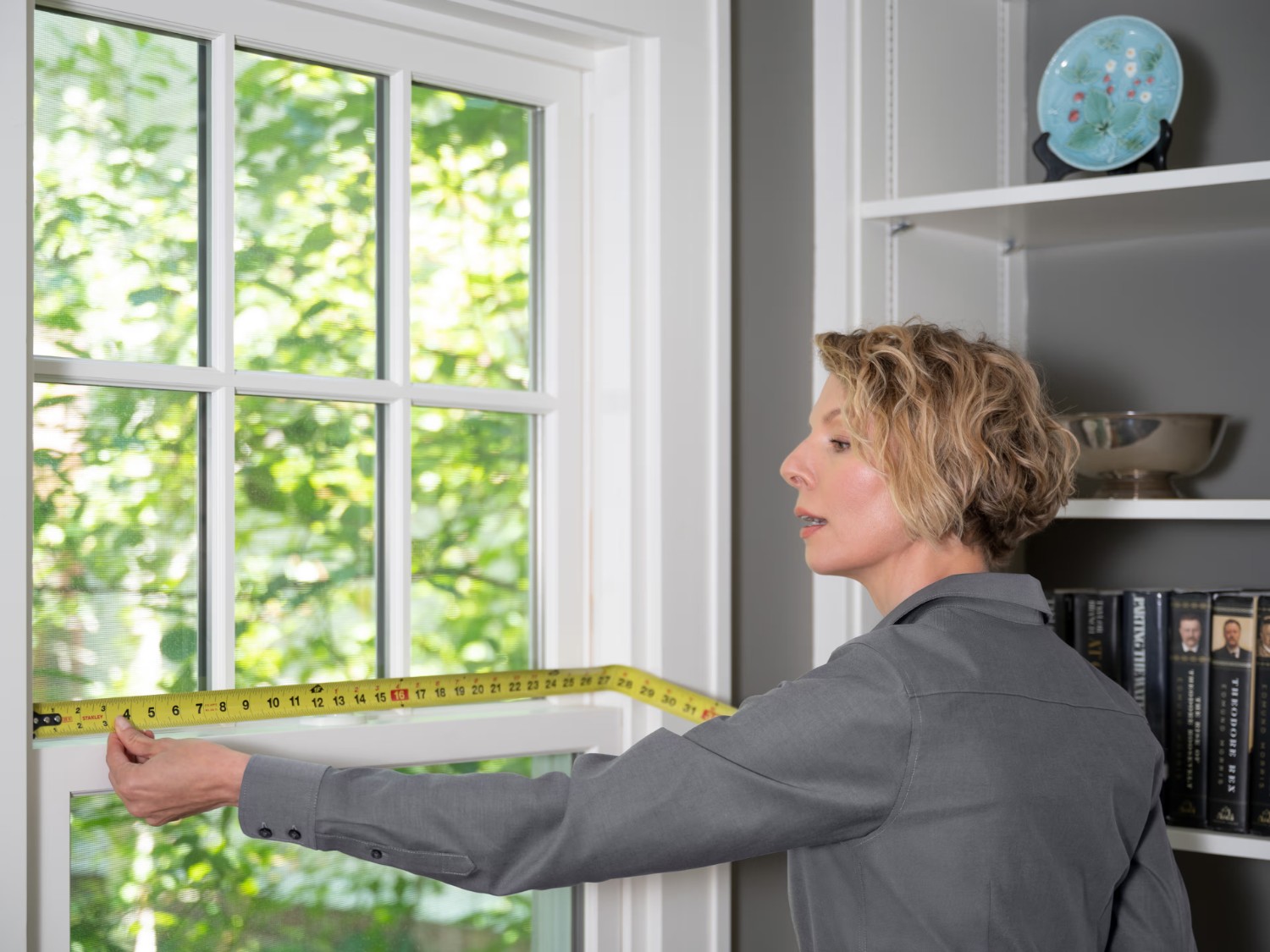
Measure and Manufacture
Step 3
Installation
Step 4