.png?h=455&iar=0&w=1182&rev=d74e300da7ba4627bde32b9c768419b5)


Resource Article
What's the Best Window Frame Material? A Complete Review
Key Takeaways:
- Different window frame material choices include wood, vinyl, aluminum, fiberglass, and composite. Each option involves tradeoffs.
- When comparing replacement windows, look beyond upfront cost and consider long-term factors such as durability, energy efficiency, maintenance requirements, and expected lifespan.
- Composite window materials, like Fibrex® composite material, are a strong, all-around option because they combine strength, energy efficiency, design flexibility, and minimal maintenance while resisting warping, cracking, and rot.
Choosing a window frame material isn't just a style decision. It affects how comfortable your rooms feel, how much you spend on energy bills, how much upkeep you manage over the years, and how your windows look from the street.
What makes one type of window frame material better than another? What frame materials should you consider given your budget, the style of your home, time required to maintain, and your geographic location? At Renewal by Andersen, we talk to homeowners every day who ask us these exact questions.
This guide breaks down the five most common window frame materials: wood, vinyl, aluminum, fiberglass, and composite, across the factors that actually matter to homeowners: price, strength and durability, energy efficiency, maintenance, and appearance. By the end, you'll have a clear picture of which material fits your home, your budget, and your priorities.
What Are the Different Types of Replacement Window Frame Materials?
Every window frame material has its pros and cons. Let's explore the average cost, durability, energy efficiency, and maintenance levels for each to help you choose windows that are both beautiful and beneficial.
Wood
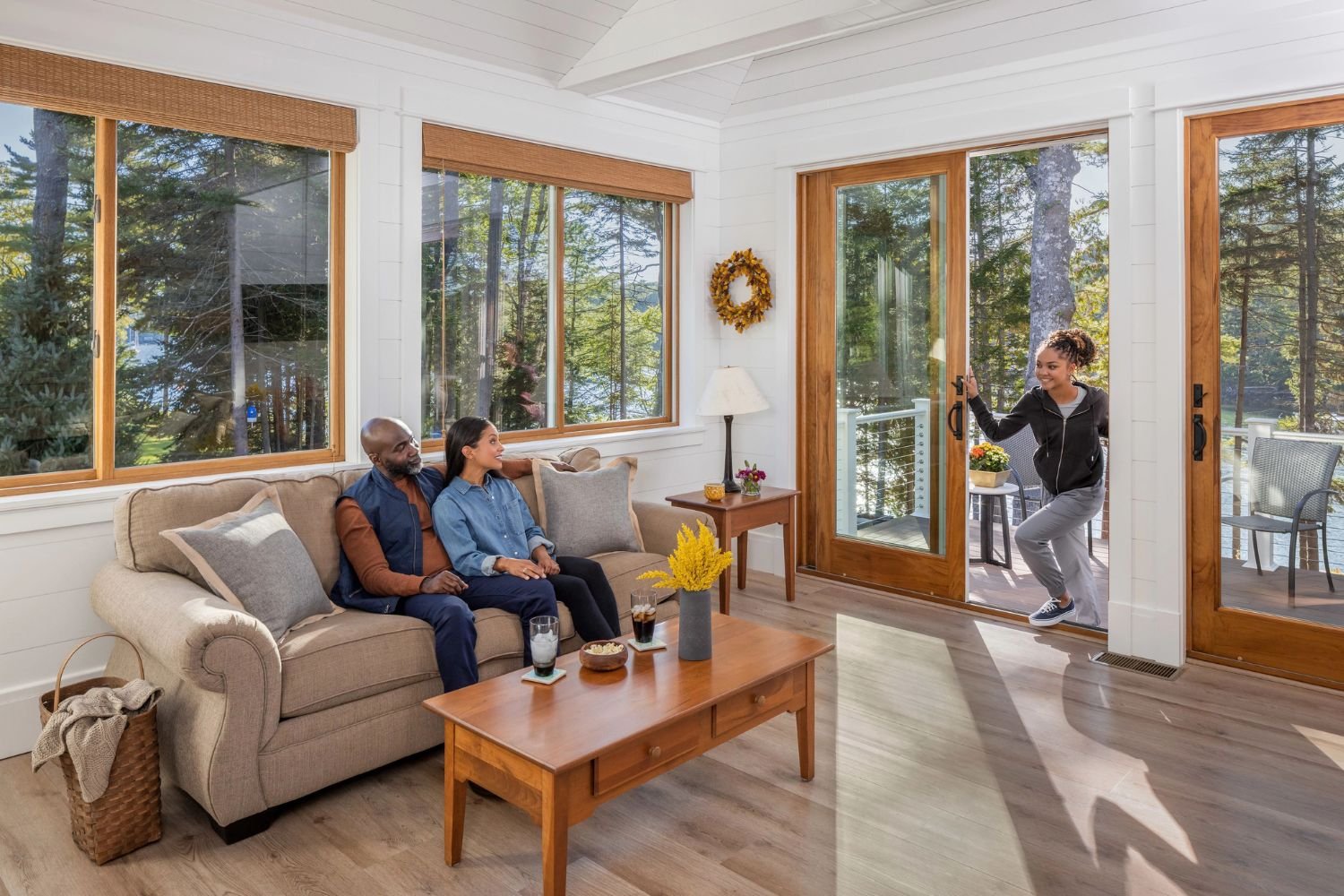
Wood is a classic choice, and for good reason. It brings warmth and richness that's hard to replicate, making it a natural fit for historic homes and traditional architectural styles. Most wood windows aren't actually made from all wood anymore. Instead, the exterior side of wood windows are usually clad in a durable material such as aluminum, vinyl, or fiberglass.
- Price: Clad-wood replacement windows can be expensive depending on their size, style, and the species of wood you choose. The home improvement experts at Angi estimate the average cost to replace one wood window can range from $700 to $2,00 including installation.
- Strength and durability: Wood is strong and durable, often lasting for more than 20 years—and even longer with regular care and high-quality window materials. Some of the most durable types of wood for windows are Douglas fir, cherry, oak, pine, alder, and maple.
- Energy efficiency: Wood windows can be an energy-efficient choice, provided they are well made and properly installed. A poor installation can lead to gaps between windows and frames, allowing unwanted airflow and heat transfer. This can be exacerbated over time, as wood windows are susceptible to expansion and contraction when subjected to extreme temperature and humidity.
- Maintenance: Wood window interiors require upkeep to maintain their good looks. They can be more difficult to keep clean compared to other materials. Sealing, staining, patching, and painting wood windows can be time consuming for homeowners with busy lifestyles. They can also be more prone to rot and termite damage.
- Appearance and design flexibility: Wood windows have a classic, timeless beauty. Compared to most window materials, wood can offer more flexibility with paint colors, stains, and finishes to fit your home’s style. Wood also gives you the flexibility to repaint the interior if you remodel your home or update the design. With clad-wood windows, you can customize and protect the exterior frame using durable materials like aluminum, vinyl, or fiberglass.
- Best for: Homeowners with historic homes who want their windows to match the aesthetic, and who don’t mind the upkeep.
Vinyl
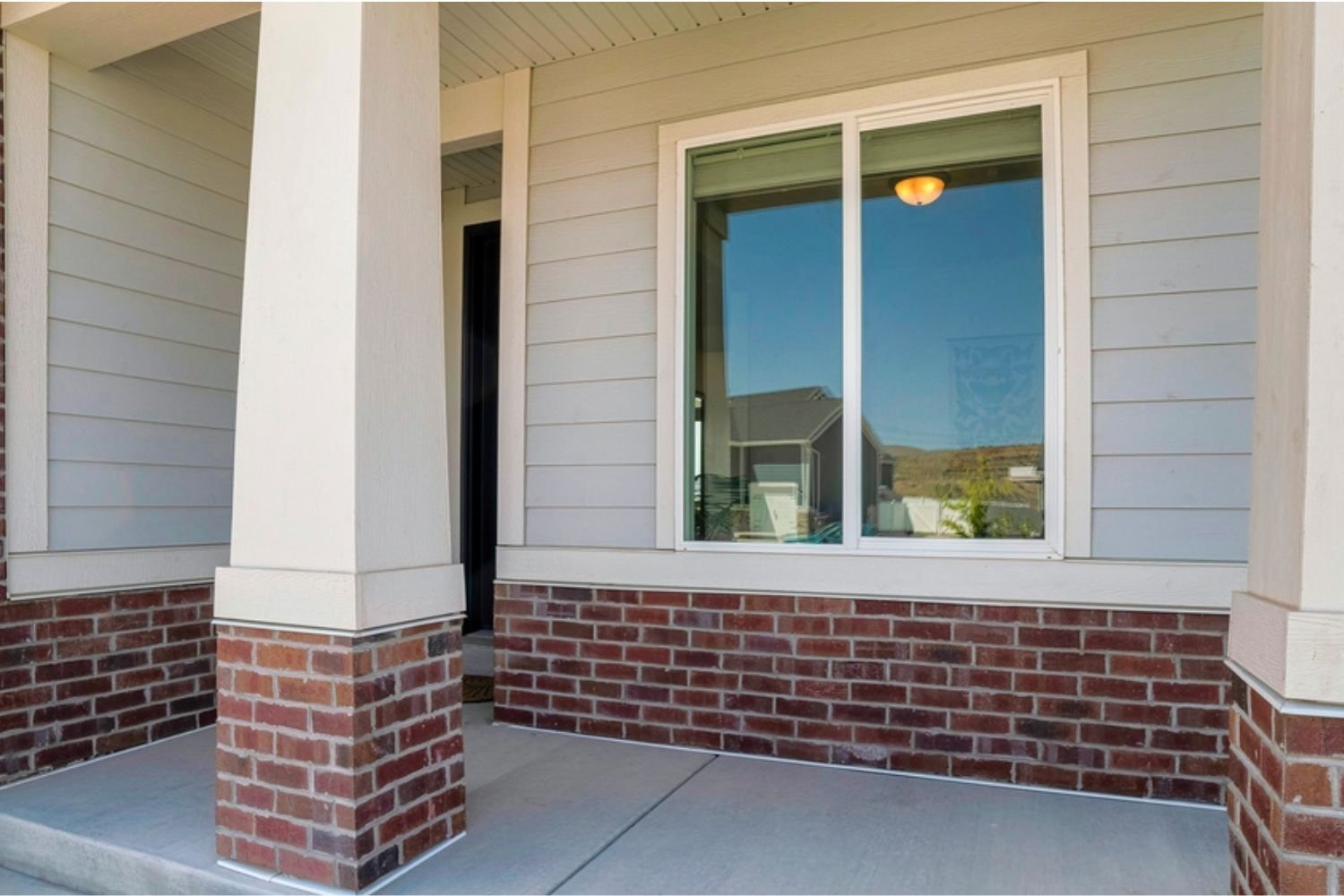
Vinyl windows are popular with many homeowners for their affordability, ease of installation, minimal upkeep, and energy efficiency. They are typically available in a variety of colors, sizes, and styles. That said, you may want to take an “off-the-shelf” approach to window replacement when choosing vinyl, as customization may increase the cost. Also, if you are replacing windows in a historic home, check local regulations that may dictate the type of building materials and styles that can be used for remodeling and renovation.
- Price: Vinyl is generally the most affordable window replacement material—as low as $255 per window without installation, according to Angi. Its ease of installation can help keep labor costs to a minimum. Budget-conscious homeowners typically look at vinyl first because of the accessible price tag.
- Strength and durability: A well-made vinyl window can perform well for years, but vinyl is not the strongest or most durable window replacement material. Vinyl can be more susceptible to breaking and cracking, especially under extreme cold temperatures and is generally not available in darker colors due to its tendency to warp in heat.
- Energy efficiency: Vinyl windows are typically energy efficient. Their frames are often made with ultraviolet light (UV) stabilizers to help prevent extreme sunlight exposure from breaking down the material. Vinyl is also resistant to moisture. But over time, the material can weaken, making it harder for the window to maintain tight seals and maintain energy efficiency.
- Maintenance: Vinyl windows are low maintenance. No painting, staining, or sanding—just an occasional wash to keep them looking fresh. It’s a big reason why so many homeowners choose vinyl, especially when simplicity and convenience are the goal.
- Appearance and design flexibility: Vinyl windows are available in a wide variety of colors and styles. However, vinyl is the least customizable of all window replacement materials. If you’re looking for a specific color, vinyl is typically not the best window replacement material, as it’s more limited in its color options. In addition, because of their greater occurrence of temperature extremes, it can be difficult to find vinyl windows in dark exterior finishes like black or dark bronze.
- Best for: Homeowners whose priority is affordability, or who don’t plan to live in their homes for decades.
Aluminum
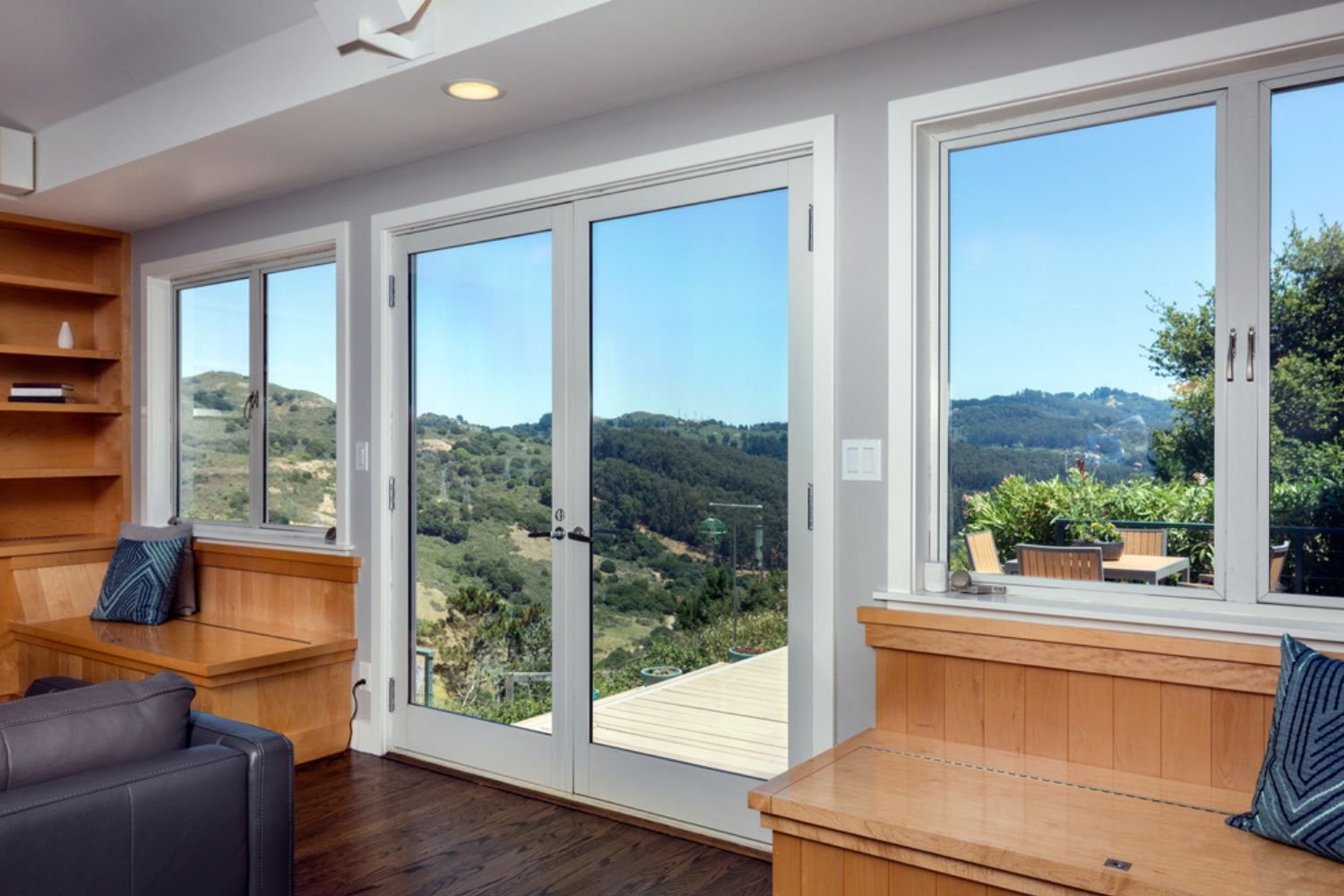
Like vinyl, aluminum windows are an affordable replacement option. This material can be easier to customize than others and is a popular choice for homes with modern, contemporary designs. Aluminum is used extensively in the southeastern region of the U.S. and other areas prone to high humidity. However, it is not particularly resistant to salt air and may not be the best choice for coastal areas, as aluminum can corrode over time.
- Price: Aluminum window replacement costs can vary greatly. Forbes estimates aluminum replacement windows cost less than other materials.
- Strength and durability: When exposed to air, aluminum window frames form a thin oxide coating that helps protect them from rust. According to This Old House, aluminum windows can last 20-25 years.
- Energy efficiency: Depending on where you live, aluminum windows can be an energy-efficient choice. It’s best to choose aluminum windows that are “thermally broken” with an insulated barrier inside the frame for better performance.
- Maintenance: Aluminum is easy to maintain and, like vinyl, never needs painting or staining—just periodic cleaning. Like vinyl, if your frames get scratched or dented, they often require full-frame replacement, and quick fixes aren’t an option.
- Appearance and design flexibility: Aluminum window frame materials fit well in homes with a modern, contemporary design, but could look out of place in a more classic-style construction. While aluminum may require little-to-no surface maintenance, once you’ve chosen the color of your frames, they can’t be painted or refinished to change when updating the look of your home.
- Best for: Homeowners who want a low-maintenance option with a sleek, modern look.

Fiberglass
Fiberglass windows are a strong and reliable option that strikes a balance between performance and minimal upkeep. Crafted from glass fibers and resin, these frames handle everything from big temperature swings to daily wear and tear.
- Price: Fiberglass windows typically land in the higher range, often costing more than vinyl and most other composites, but less than top-tier wood options.
- Strength and durability: Fiberglass is generally very strong and doesn’t warp, swell, or shrink with temperature changes. It resists rot, corrosion, and pests, and it’s less prone to expanding or contracting compared to wood or vinyl—meaning you’re less likely to notice drafts or sticky sashes down the road.
- Energy efficiency: Fiberglass does a fantastic job minimizing heat loss and helping keep your home cozy throughout the seasons. Its structure naturally limits thermal transfer, and many fiberglass windows are filled with insulating foam for extra efficiency. Thanks to their stability, these windows also maintain tight seals that can help keep those pesky energy bills in check.
- Maintenance: Fiberglass frames are generally lower maintenance compared to other window materials. They don't require regular painting, sanding, staining, etc. Just occasional cleaning.
- Appearance and design flexibility: Fiberglass windows offer a clean, modern profile with excellent versatility. They’re available in a variety of styles and can even be finished to mimic the look of painted wood. While custom shapes are possible, extreme design customizations may be limited compared to other composite materials.
- Best for: Homeowners with a higher budget looking for a high-quality, durable material with little to no maintenance.
Composite
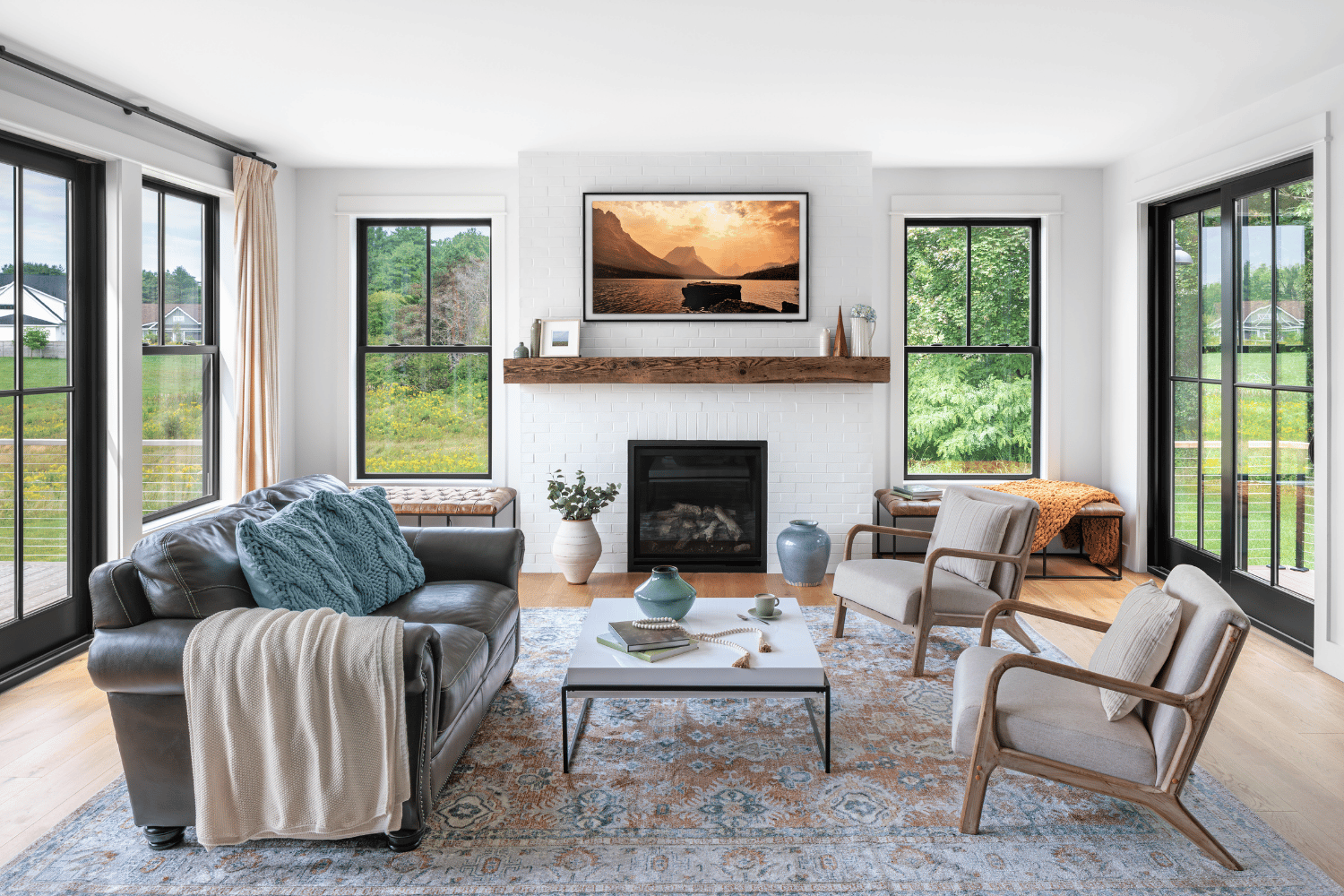
Composite replacement windows combine the beauty and charm of wood, the low-maintenance nature of vinyl, the customization of aluminum, plus the added benefits of durability and assistance in energy efficiency. Composite windows are not the least expensive choice for a remodel or renovation project, but the “pros” of going with composite frame material can end up saving you money over time.
Renewal by Andersen® Acclaim® replacement windows are made with a proprietary composite material called Fibrex® material. Think of it as the best of both worlds in window technology: it combines the natural strength and insulating properties of wood with the low-maintenance qualities of vinyl. Fibrex material is twice as strong as vinyl.
- Price: Forbes estimates that composite windows are right in the middle when comparing window replacement costs, with wood and fiberglass being the most expensive options, and vinyl and aluminum being the most budget-friendly choices. When thinking about the price you’ll pay for replacement windows, it’s important to take the long view. Over time, a high-quality window can last longer and perform better compared to a less expensive, low-quality window.
- Strength and durability: In their window replacement buying guide, Consumer Reports notes that “composite windows replicate the look of a solid wood window while providing an underlying structure that’s more stable.” Composite materials utilize the strengths and benefits of a variety of materials and join them together to create a material that is designed to resist extreme weather, damage, warping and cracking, breakage, and changes in shape and appearance. Windows made with Fibrex material can even last up to 30 years.*
- Energy efficiency: Composite materials are less likely to expand and contract due to temperature fluctuations, helping composite windows keep their shape and provide excellent insulation against heat and cold. If you’re looking to transform your home with energy efficient windows, be sure to look at the performance of the window as a whole versus a single component.
- Maintenance: Composite window replacement materials require little to no upkeep, and composite windows maintain their good looks for years without taking time out of your busy schedule for extensive maintenance. Keeping composite windows clean is all that’s needed to keep them looking fresh and new.
- Appearance and design flexibility: Typically, composite windows have a certain modern look that some people like. However, if you have an historic home and want to match its aesthetic, or if you like the warmth of materials like wood, composite material may not be for you. That said, some composite frames have a wood interior option. Because composite material can be extruded into unique designs and shapes, you’re limited only by your imagination when it comes to window design.
- Best for: Homeowners who want low maintenance, energy efficiency, and customizable design options.
How Do the Five Frame Materials Compare Side-by-Side?
Frequently Asked Questions
What is the best window frame material for cold climates?
Fiberglass and composite frames are generally the best choices for cold climates. Both materials are dimensionally stable, meaning they don't significantly expand and contract with temperature changes, which helps maintain a tight seal and consistent energy performance. Vinyl can also perform well in cold weather, though it may be more susceptible to brittleness in extreme cold. Aluminum without a thermal break is typically the weakest performer in cold climates.
Is vinyl or wood better for window frames?
It depends on your priorities. Vinyl is more affordable, requires less maintenance, and holds up well in many climates. Wood offers a richer, more traditional appearance and is a natural insulator, but it requires regular upkeep to prevent rot, warping, and chipped paint. If something low maintenance and budget friendly are your primary concerns, vinyl is a strong choice. If aesthetics and a classic look matter more, wood may be worth the extra care and price.
How long do different window frame materials last?
Lifespan varies by material and how well the windows are maintained. Wood frames can last decades with consistent upkeep. High-quality vinyl can last 40 years, although lower quality vinyl doesn’t last as long. Aluminum frames are structurally long lasting, although seals and hardware may need attention over time. Fiberglass and high-quality composite frames are engineered for long-term performance and can last for years when properly installed. For example, according to a recent study, Renewal by Andersen® windows still look great after 30 years with little to no maintenance.*
Can window frame material affect my energy bills?
Yes, it can. Frame material affects how much heat transfers through the window assembly. Materials with low-thermal conductivity, like fiberglass and composite materials, help reduce heat loss in winter and heat gain in summer. Aluminum without a thermal break can create a direct path for heat transfer, which may increase energy costs. The frame is just one part of the overall window's energy performance, along with glass type, number of panes, and quality of installation.
Is Fibrex® material really better than vinyl?
It depends on your priorities. Fibrex material is strong, durable, energy efficient, and offers beautiful aesthetics. Vinyl can have a lower upfront cost and is also low maintenance. If your priority is long-term durability, Fibrex material windows are a better option for you. If short-term savings are your priority, go with vinyl.
Does Fibrex material warp or crack over time?
No. The nature of Fibrex material as a composite makes it highly resistant to warping, cracking, and fading†—even in extreme heat and cold conditions or when using dark colors like black.
Are windows made with Fibrex material more expensive than vinyl?
Sometimes, yes. The initial investment of windows made with Fibrex material can be higher than vinyl. However, when you consider the long-term value—superior durability, energy efficiency, minimal maintenance, and comprehensive limited warranty coverage—Fibrex material is often the most cost-effective choice over the life of your windows. Plus, when you go with windows from Renewal by Andersen, installation is always included in the cost and is covered by the Nation’s Best Warranty.‡
Ready to Find the Right Window for Your Home?
Choosing the right frame material is one of the most important decisions in a window replacement project, and it's worth getting it right. If you'd like to see your options in person, talk through what makes sense for your home's style and climate, and get a clearer picture of what window replacement would involve, a free in-home consultation is a great place to start.
Schedule a free consultation with Renewal by Andersen. There's no pressure, just guidance to help you make a confident decision.
* Five window units were tested in a Minnesota home 30 years after installation. Visit renewalbyandersen.com for warranty information.
** Your experience may vary.
† See Renewal by Andersen Products and Installation Transferable Limited Warranty for details.
‡ It is the only warranty among top selling window companies that meets all of the following requirements: easy to understand terms, unrestricted transferability, installation coverage, labor coverage, geographically unrestricted, exterior color, insect screens and hardware, and no maintenance requirement. Visit renewalbyandersen.com/nationsbest for details.
Our Hassle-Free Process

Step 1
Design Consultation
Step 2
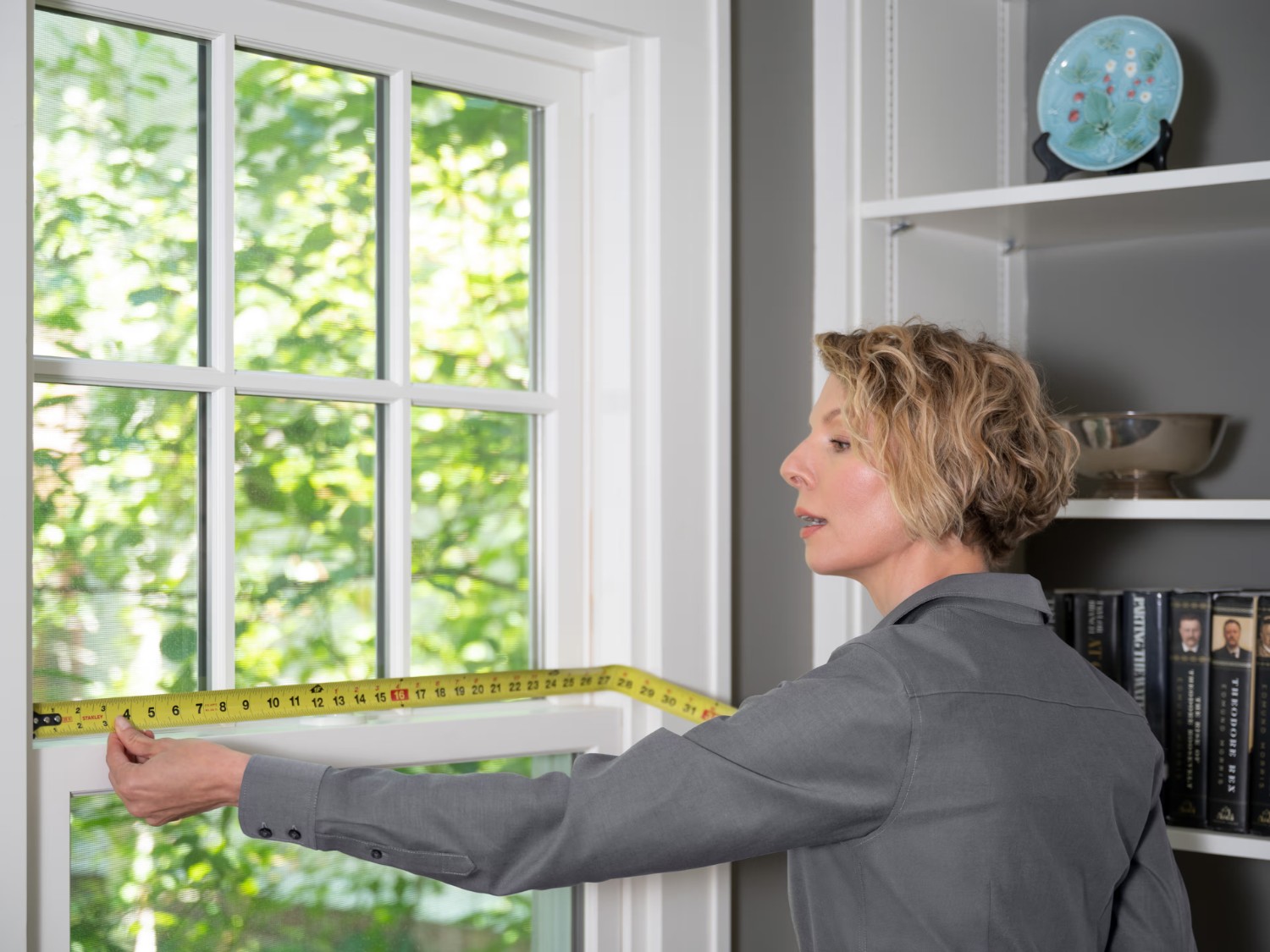
Measure and Manufacture
Step 3
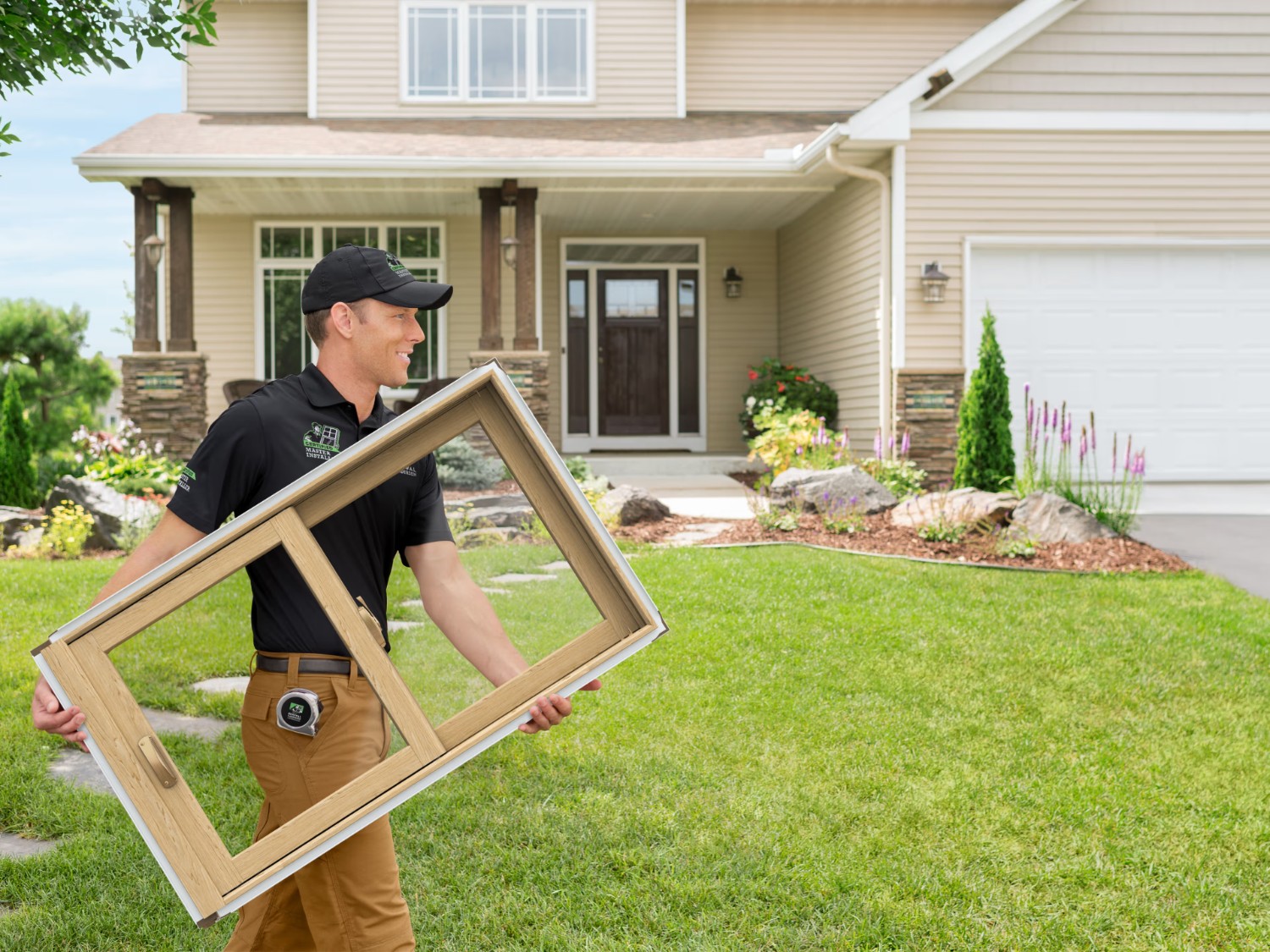
Installation
Step 4