


Resource Article
What Are the Best Windows for Your Kitchen (2026)?
Key Takeaways:
- The best window type over a kitchen sink is typically a casement or awning window, since they're easy to open without having to lean over a counter.
- Kitchen windows face more moisture, heat, and grease exposure than windows in other rooms, so frame material and easy cleaning matter more here than almost anywhere else.
- No single window style is right for every kitchen. The best choice depends on your layout, ventilation needs, wall space, and how you use the room.
Your kitchen is one of the hardest-working rooms in your home. But which window type actually works best in a kitchen? And does the answer change depending on where the window goes?
Here's the short answer: awning and casement windows tend to perform best for most kitchens, especially for ventilation and over-the-sink placement. But the right choice depends on your specific layout, how your kitchen is used, and what tradeoffs you're willing to make.
Homeowners ask us this all the time at Renewal by Andersen. After 30 years of in-home consultations, we've learned that kitchen windows are genuinely one of the more nuanced decisions in a replacement project. Many homeowners assume any window will do. In practice, the wrong style can make your kitchen feel stuffy, harder to clean, or simply less functional. This guide walks through the most common kitchen window types, where each one works best, what to consider before choosing, and how to make a confident decision for your home.
Why Do Kitchen Windows Require Special Consideration?
Kitchen windows work harder than windows in most other rooms. Steam, grease, and cooking odors build up fast, and windows play a central role in managing all of it.
According to The American Lung Association, proper ventilation in kitchens helps reduce indoor air pollutants like combustion byproducts and volatile organic compounds (VOCs) released during cooking. While a range hood handles much of that work, operable windows add a meaningful layer of fresh air circulation, especially when you want to cool the room down quickly after cooking.
Beyond ventilation, kitchen windows face more exposure to humidity and temperature swings than most windows elsewhere in your home. That makes frame material an important consideration. Frames that absorb moisture, can warp, or are difficult to wipe clean can become a maintenance problem over time.
Placement matters, too. A window positioned above a sink, near a stovetop, or as part of a kitchen nook calls for a different solution rather than a large picture window in an open-concept space.
What Are the Best Window Styles for a Kitchen?
There's no single "best" kitchen window because kitchens come in all shapes and sizes. Instead, the smartest choice comes down to placement, ventilation, and how easy the window is to operate from where you're standing. Here are five styles worth considering, plus one bonus option you shouldn't overlook.
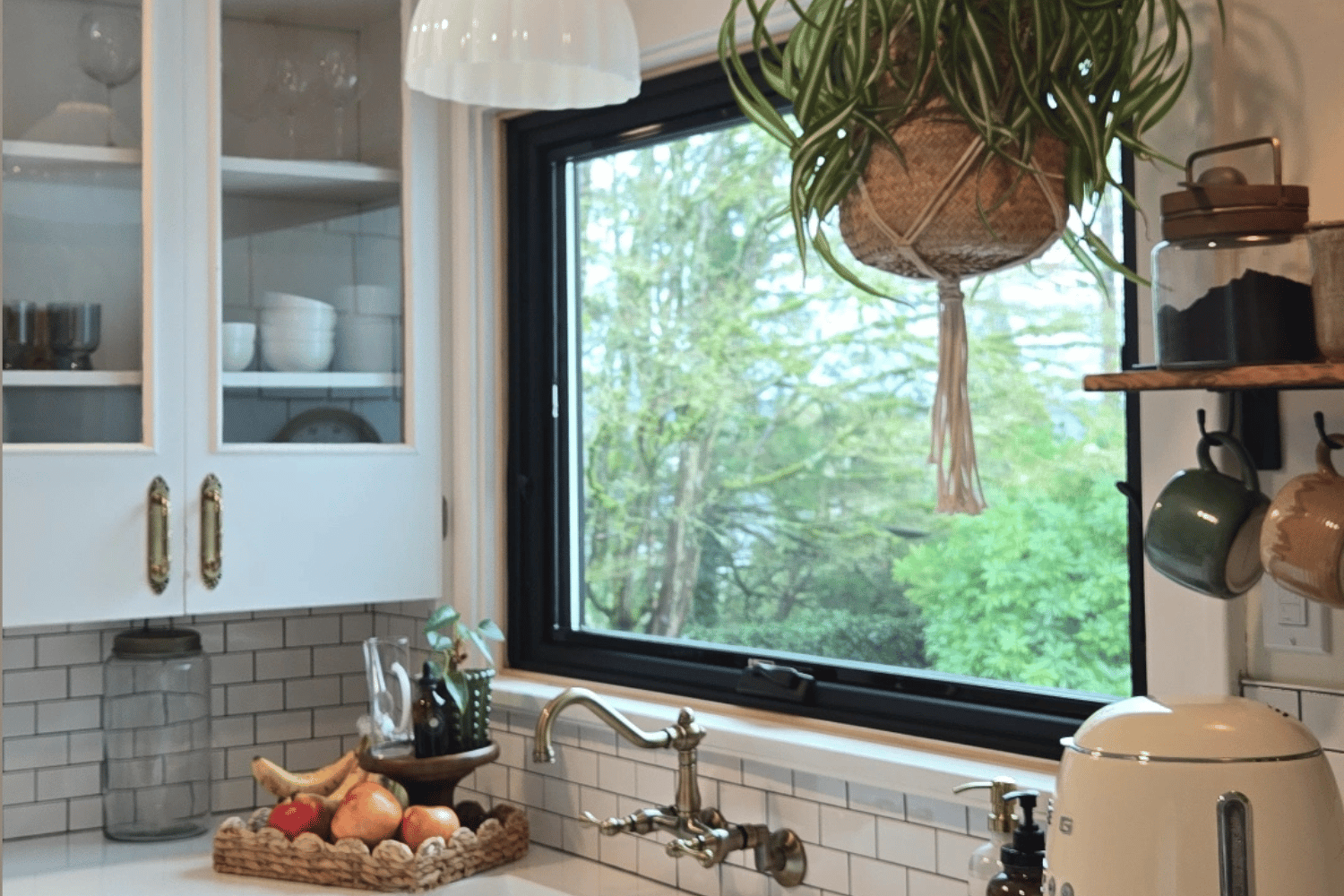
Awning windows
Awning windows are one of the best choices for above a kitchen sink, counter, or anywhere the opening requires a reach. Because they're hinged at the top and open outward from the bottom, you can place them higher on the wall without losing sunlight, ventilation, or easy operation.
Here's a bonus that kitchen cooks love: awning windows can stay open during a light rain. The glass angles outward like a little awning (hence the name), so you can keep fresh air flowing while a summer shower rolls through. Best to do this only if you have a roof overhang on your home, which most homes do.
Awning windows are best for: Over a sink, above cabinets, or in kitchens where you want ventilation even on rainy days.
Awning window tradeoffs: They require some clearance on the exterior. If your window opens onto a walkway, patio, or tight side yard, an outward-swinging sash can be a problem.

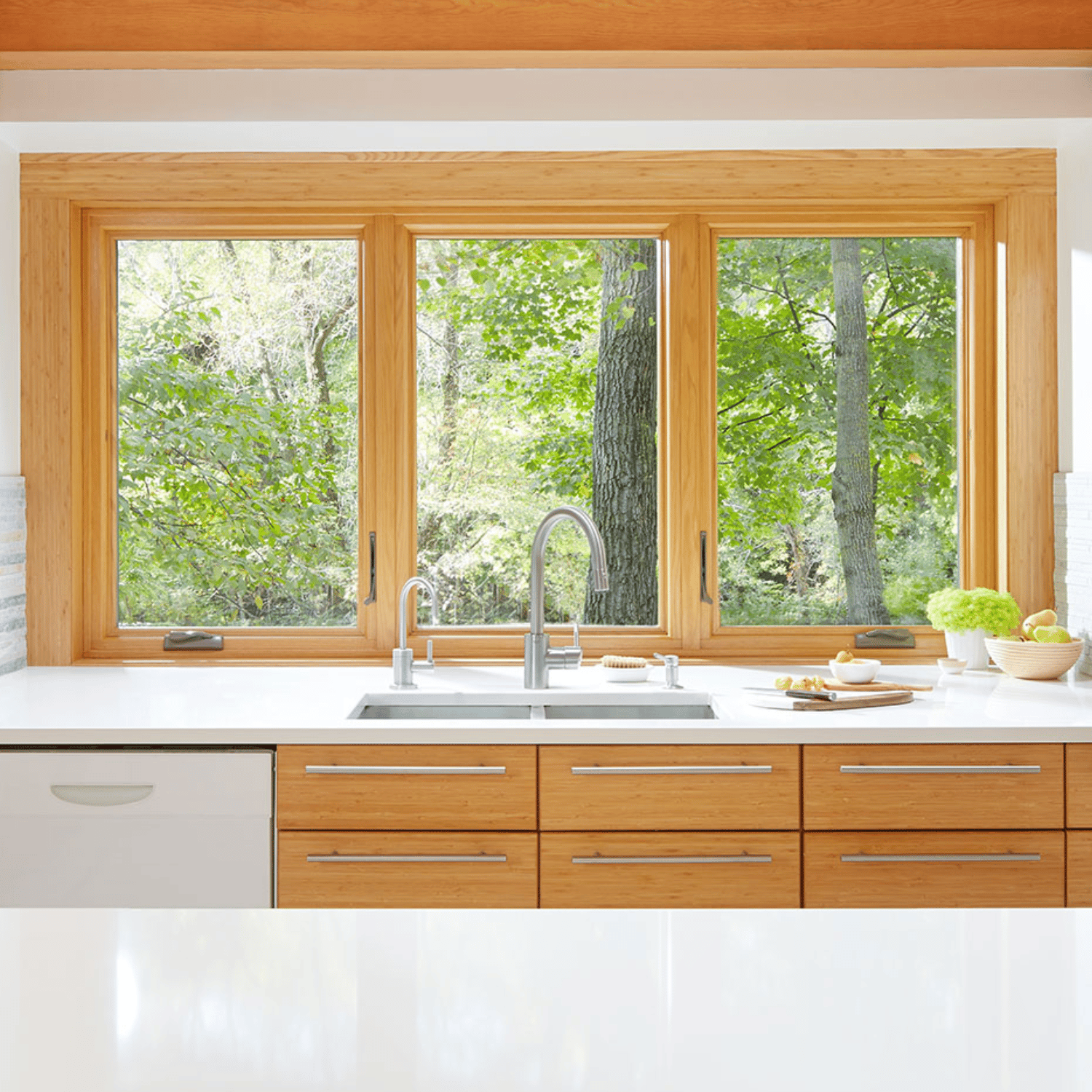
Casement windows
Casement windows are another strong option for hard-to-reach kitchen spots. Hinged on the side and opened with a simple hand crank, they let you open a window fully without leaning across a countertop or sink. Just turn the handle, and you're done.
That easy operation makes casement windows a favorite for kitchens where the window sits just out of comfortable arm's reach. They also seal tightly when closed, which helps keep your kitchen comfortable year-round.Casement windows are best for: Over the sink, above counters, anywhere you want maximum ventilation and clean sightlines.
Casement window tradeoffs: They also require clearance on the exterior, so they can pose the same problem as awning windows outdoors.
Double-hung windows
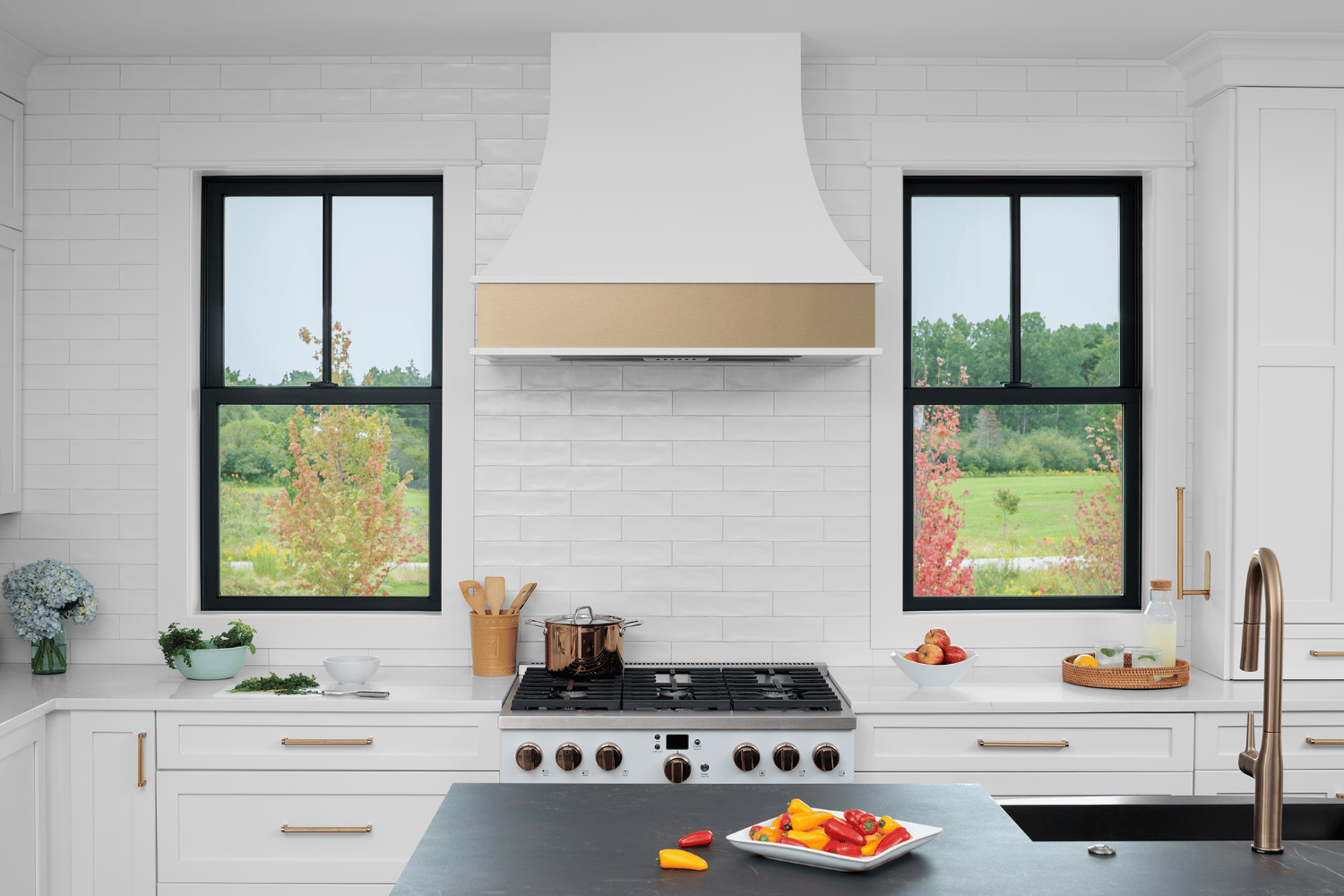
Double-hung windows are ventilation champions. Both the top and bottom sashes open, so you can let warm air escape through the top while cool air flows in through the bottom. That two-way airflow is a big help in a kitchen, where heat and cooking odors tend to build up fast.
They're a classic, versatile style that suits nearly any kitchen aesthetic, from farmhouse to modern. If good airflow is high on your list, double-hung windows deserve a serious look.
Double-hung windows are familiar, versatile, and available in a wide range of sizes. They're also easy to clean from inside the home, since the sashes tilt inward on most modern versions. That's a practical advantage in a kitchen where the window may need more frequent cleaning.
Double-hung windows are best for: Kitchens where you want flexibility, a familiar look, or easy interior cleaning.
Double-hung tradeoffs: Less efficient at directing airflow than casements or awnings. Opening the lower sash can be awkward if you have to reach over a sink or countertop.
Sliding windows
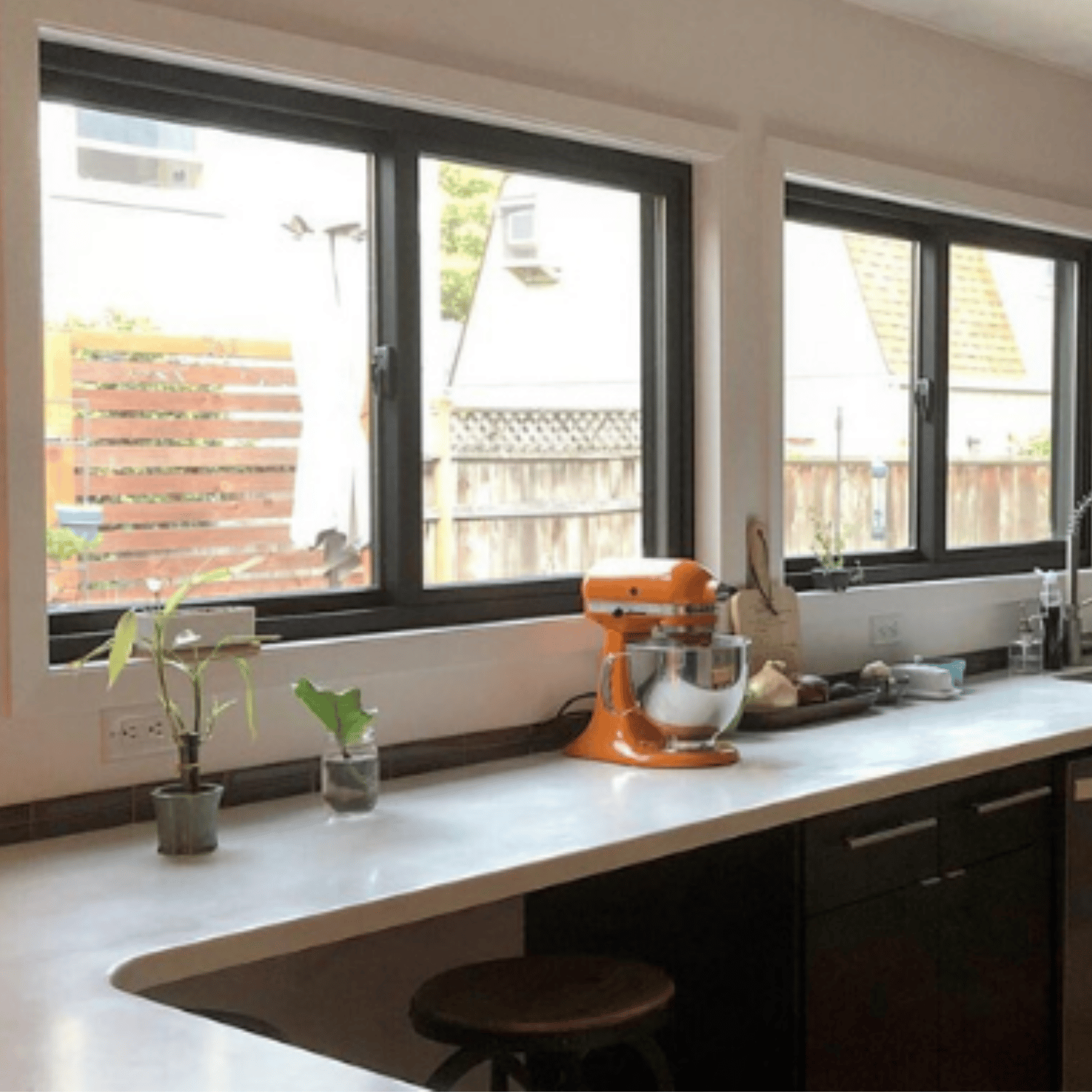
Sliding windows are ideal for maximizing a room’s view and ventilation. They are an excellent choice for areas facing walkways, porches, decks, patios, or landscaping, as they do not protrude into the space. With both a left- and right-sliding sash, gliding windows are a great ventilation solution for rooms where they are the sole window.
Sliding windows are best for: Maximizing outdoor square footage.
Sliding window tradeoffs: Can be somewhat challenging to open over a deep sink or counter.
Picture windows
Picture windows don't open. They're fixed panes designed to help maximize light and views. In a kitchen, they work well in spaces where ventilation is handled elsewhere (by a range hood or other operable windows) and where the goal is to bring in natural light or frame a scenic view, whether that's your garden, your backyard, or the neighbor's very impressive rose bushes.
However, a huge consideration is that because picture windows don't open, they offer no ventilation. That makes them a great pick for a wall where you want light and views without needing airflow, but you'll want to pair them with an operating window elsewhere in the kitchen.
Picture windows are best for: Kitchen dining nooks, open-concept spaces, or as a companion window paired with operable windows on either side.
Picture window tradeoffs: No ventilation. Not suitable as the only kitchen window if indoor air quality is a concern.

Bay/Bow windows
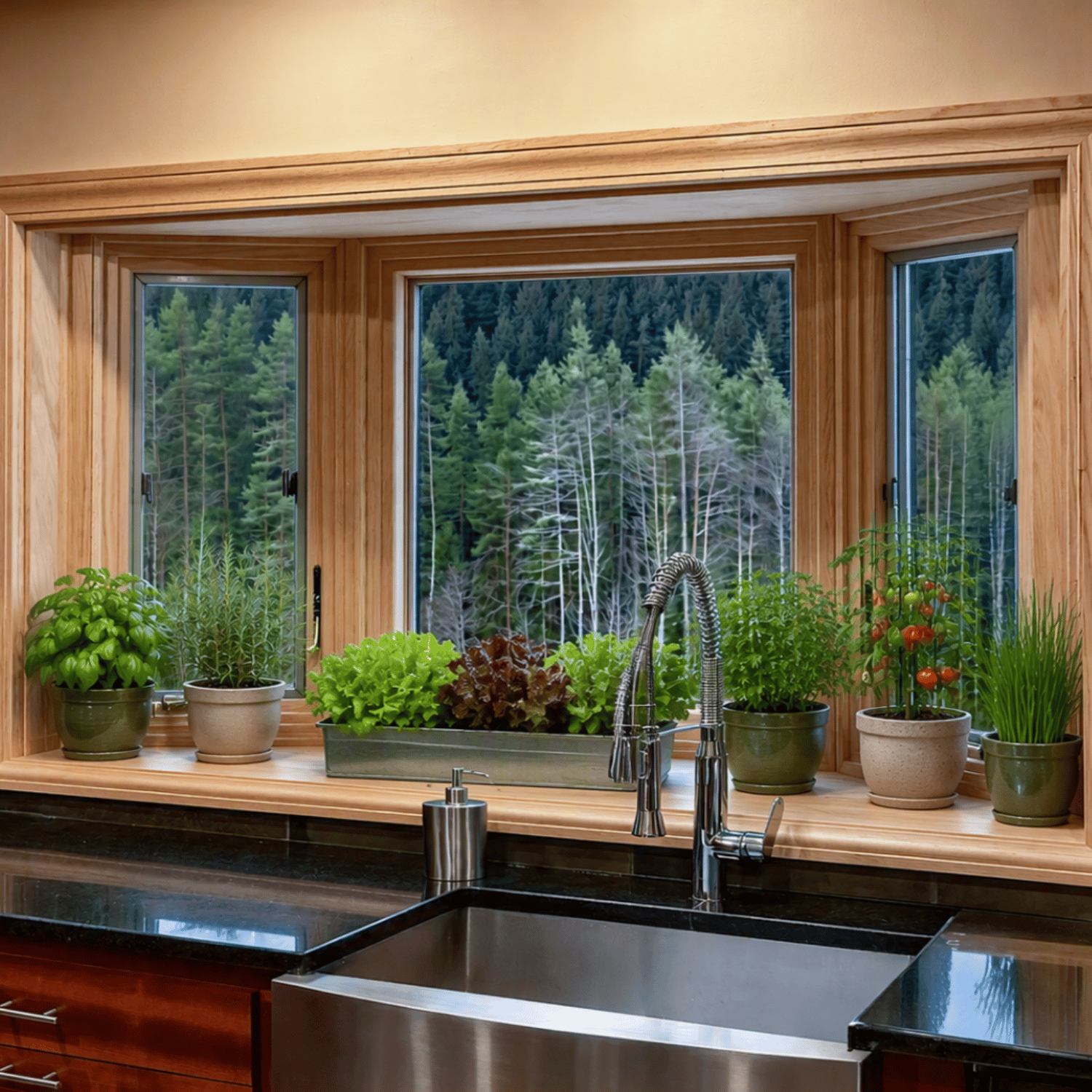
Bay windows do something no other window style can: they create extra shelf space. Because a bay window projects outward from the wall, it forms a handy little ledge inside your kitchen. That space is perfect for a row of potted herbs, a collection of dish soaps, a sunny spot for your favorite plants, or a bowl of ripening tomatoes.
For anyone who dreams of a windowsill herb garden, a bay window (or its curved cousin, the bow window) delivers both the sunlight and the shelf to make it happen. It's function and charm rolled into one sunny nook.
Bay/bow windows are best for: Kitchen dining nooks, shelf space for herbs, flowers, or produce
Bay/bow window tradeoffs: More difficult operation over a kitchen sink (depending on the combination of windows in the bay/bow)
Which Kitchen Window Is Best for You?
To make the choice a little easier, here's a quick rundown of which window style wins in each category:
- Best for ventilation: Double-hung, awning, or casement windows all deliver excellent airflow to help clear out steam and cooking smells.
- Best for low maintenance and easiest operation: Picture windows. With no moving parts, there's nothing to adjust, crank, or maintain.
- Best for unobstructed views: Picture windows. Nothing beats a big pane of uninterrupted glass.
- Best for plants and herbs: Bay or bow windows, thanks to that bonus shelf space and generous sunlight.
- Best for hard-to-reach spots (like over a sink): Awning or casement windows, since both open easily without a long reach.
The right window really comes down to what matters most in your kitchen. Craving fresh air? Reach for double-hung, awning, or casement windows. Want a view with minimal upkeep? A picture window is your best friend. Dreaming of an herb garden? A bay window has you covered.
Does Frame Material Matter More in a Kitchen?
Yes, frame material matters more in a kitchen than in most rooms. The combination of steam, grease, temperature fluctuations, and cleaning products creates a more demanding environment for window frames.
Vinyl frames are low maintenance and resist moisture reasonably well, but they can expand and contract with temperature swings over time.
Wood frames look beautiful but require more maintenance in a humid kitchen environment. Without proper care, moisture exposure can lead to swelling, sticking, and eventual rot.
Composite frames, like those made from Fibrex® composite material (exclusive to Andersen), combine reclaimed wood fiber and thermoplastic polymer. The result is a material that won't crack, pit, corrode, or rot*, and that holds up to temperature extremes without warping. Fibrex material also doesn't require painting and is easier to keep clean over time, which is a real practical advantage in a kitchen.
For most kitchen applications, a frame material that resists moisture, cleans easily, and doesn't require regular painting or sealing is worth consideration.
What Else Should You Consider When Choosing Kitchen Windows?
Beyond style and frame material, a few practical factors are important to consider before committing.
Size and wall space. Kitchens have a lot of competition for wall space: cabinets, appliances, and backsplash tile. Measure carefully and think about how window placement interacts with your cabinetry above and below.
Natural light direction. North-facing kitchen windows bring soft, consistent light without direct sun glare. South-facing windows bring more sunlight but can make cooking uncomfortable in warmer months. East-facing windows are pleasant for morning kitchens. West-facing windows can get intensely warm in the afternoon.
Privacy. If your kitchen window faces a neighbor's yard or a busy street, consider frosted or textured glass, or position the window higher on the wall.
Cleaning access. Kitchen windows can get dirty faster than most. Choose a style and frame material that you can wipe down easily, especially if the window is positioned near a stovetop.
Professional installation. Even the best window for your kitchen won't perform as expected if it isn't installed correctly, so professional installation is highly recommended.
Ready to Transform Your Kitchen?
Your kitchen deserves windows that work as hard as you do, letting in light, clearing out steam, and framing the views you love. The best part is you don't have to figure it out alone.
A free in-home consultation with Renewal by Andersen gives you expert guidance every step of the way, precise measurements for a perfect fit, and custom-crafted windows made to suit your kitchen exactly. Whether you're picturing an awning window over the sink or a sunny bay window full of herbs, we'll help you bring it to life. Schedule your consultation and see the difference for yourself.
Frequently Asked Questions
What is the best type of window to put over a kitchen sink?
Casement and awning windows are the best options for over a kitchen sink. Both use a crank or push mechanism that lets you open the window without leaning awkwardly over the counter. Awning windows can stay open during light rain if you have an overhang. Casement windows open more fully for maximum airflow. Double-hung windows are harder to operate in this position because the lower and upper sash may require leaning forward over a counter.
Which kitchen windows provide the best ventilation?
Awning windows provide excellent ventilation, and they offer the added bonus of staying open during light rain (with an overhang), which helps keep fresh air moving even if the weather turns.
Are picture windows a good choice for kitchens?
Picture windows are a great choice when you want maximum light, unobstructed views, and the lowest possible maintenance. Since they don't open, they provide no ventilation, so it's smart to pair a picture window with an operating window elsewhere in the kitchen to help keep air circulating.
What frame material is best for kitchen windows?
Composite and fiberglass frames hold up best in the moisture-heavy, temperature-variable environment of a kitchen. Wood frames require more maintenance and are vulnerable to moisture damage over time. Vinyl is practical and low maintenance but can expand and contract with temperature swings. Fibrex® composite material, used exclusively in Renewal by Andersen® windows, is engineered to resist moisture, temperature extremes, and routine cleaning without warping or rotting.*
Can I combine different window styles in my kitchen?
Absolutely. Many kitchens look and function beautifully with a mix of styles, such as a central picture window flanked by awning or casement windows. Specialty and custom combinations let you design a window layout that matches your kitchen's exact shape, style, and airflow needs.
* See Renewal by Andersen® Products and Installation Transferable Limited Warranty for details.
Our Hassle-Free Process

Step 1
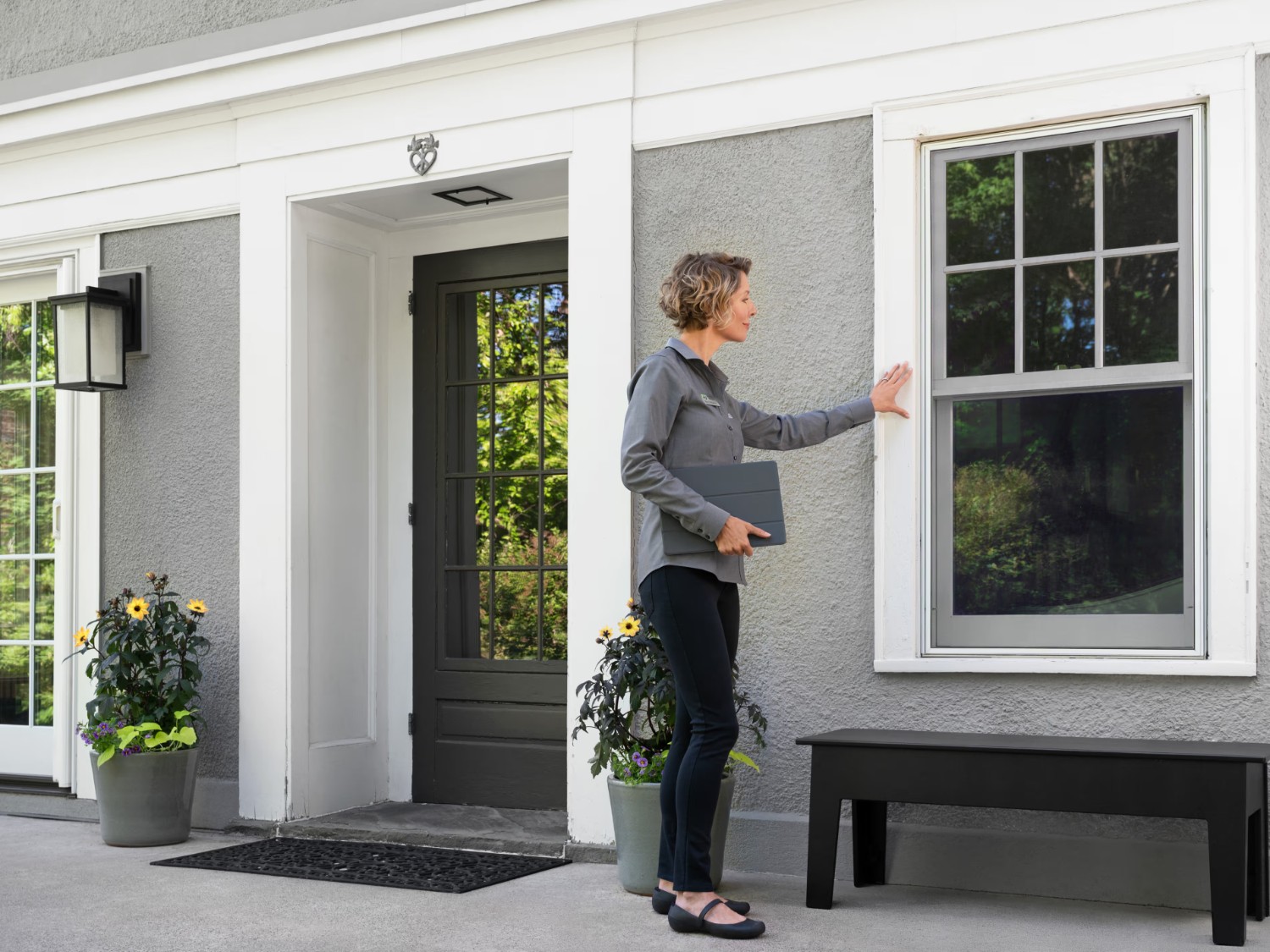
Design Consultation
Step 2
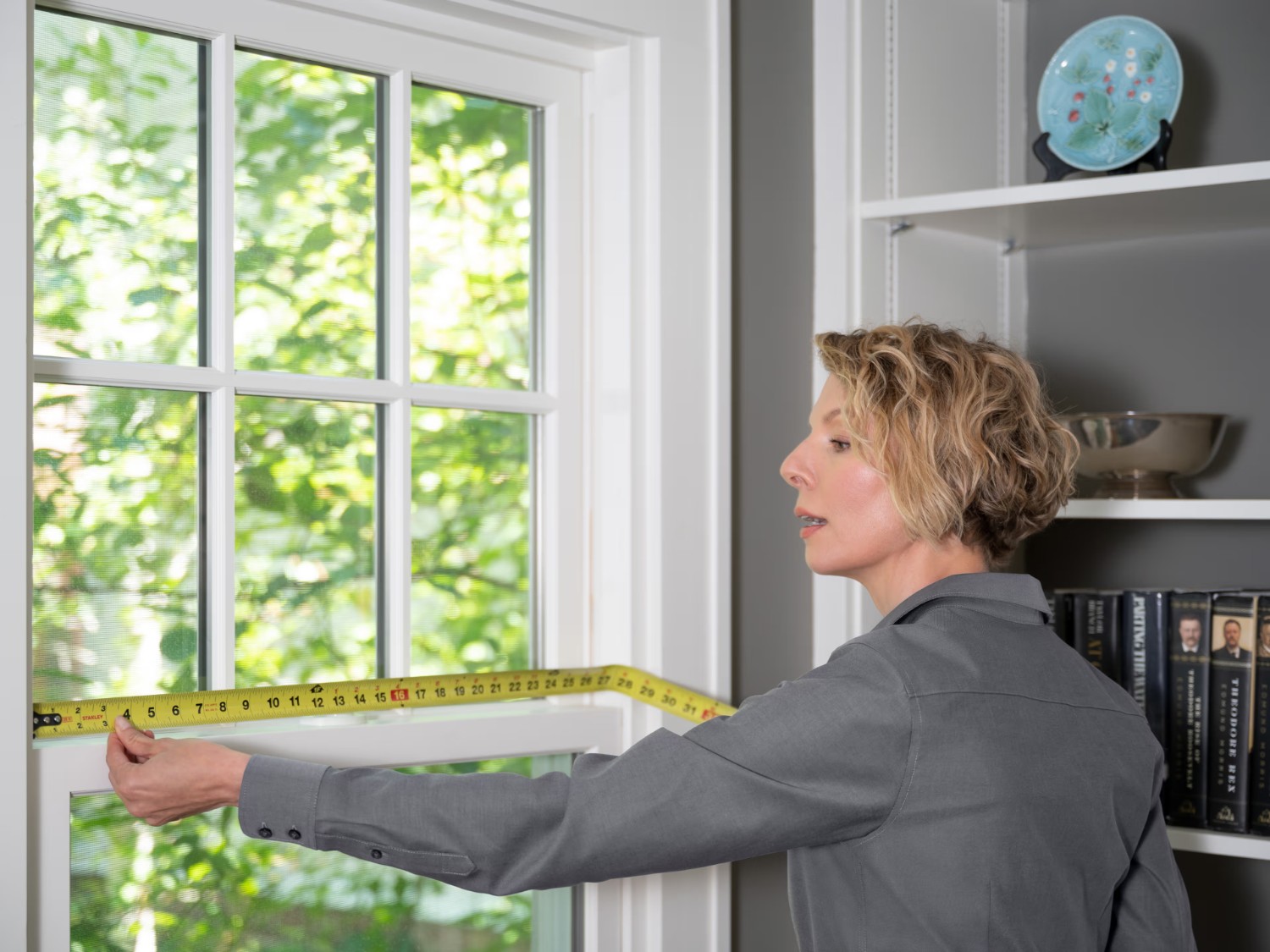
Measure and Manufacture
Step 3
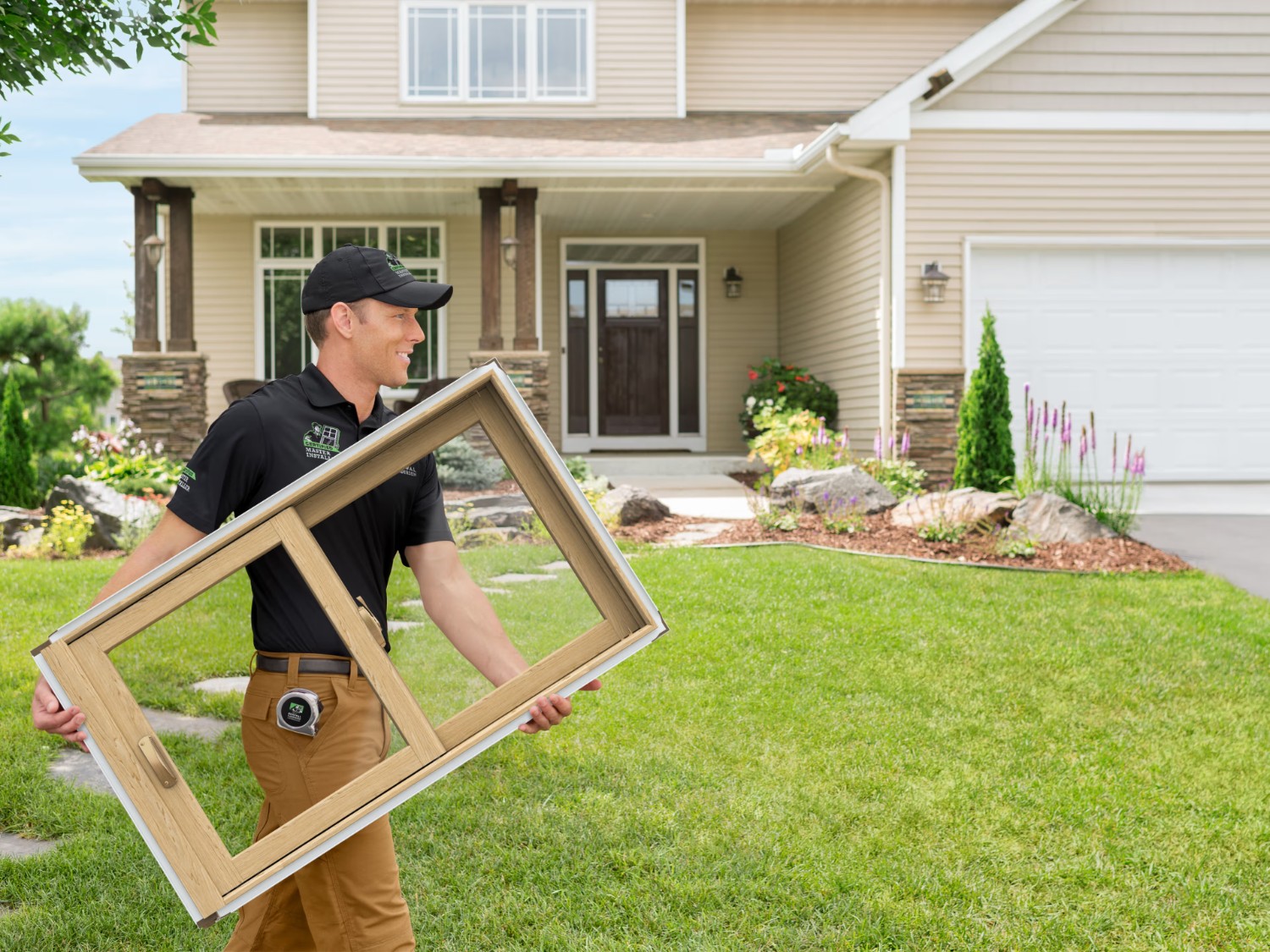
Installation
Step 4