.png?h=455&iar=0&w=1182&rev=d74e300da7ba4627bde32b9c768419b5)


Resource Article
Vinyl vs. Fibrex® Material: Which Replacement Window Material Is Better?
Key Takeaways:
- Deciding between vinyl and Fibrex® composite material replacement windows often comes down to saving money in the short term or choosing higher upfront costs for long-term durability.
- Consider vinyl windows if you prefer lower upfront costs and don't live in a climate with either extreme heat or cold, which could affect vinyl's durability over time.
- Fibrex material is ideal if you have a higher budget and want long-term durability.
Vinyl is one of the most popular replacement window materials. So, is there any reason to consider other options like Fibrex® composite material? And if Fibrex material costs more than vinyl, what are you getting for the extra money?
Consider what matters most to make the right call for your home: durability, cost, energy efficiency, maintenance, design options, and long-term value.
What Are Vinyl Windows?
Made entirely of polyvinyl chloride (PVC), a synthetic plastic polymer, vinyl is one of the most popular replacement window materials for homeowners. Like many other materials, there are different qualities of vinyl, ranging from poor to higher quality.
Pros of vinyl windows
- Price: Vinyl windows are typically less expensive compared to other materials.
- Strength and durability: A high-quality vinyl window can maintain its durability for years.
- Low maintenance: Vinyl windows are low maintenance—they’re easy to clean, and you won’t need to paint or stain them.
- Energy efficiency: Vinyl windows are typically energy efficient. Their frames are often made with ultraviolet light (UV) stabilizers to help prevent extreme sunlight exposure from breaking down the material. Vinyl is also resistant to moisture.
- Availability: Vinyl is widely available. Many companies offer vinyl windows, including Marvin, Pella, and Window World to name a few.
Cons of vinyl windows
- Price: While vinyl windows can be more affordable, the inconsistent material quality can lead to unexpected expenses down the road.
- Durability and strength: Vinyl isn’t as strong or durable as other replacement window materials. In the extreme heat or cold, vinyl is vulnerable to cracking, warping, and fading, especially in climates with harsh temperatures.
- Energy efficiency: Vinyl can be energy efficient while it’s still in good condition. But over time, the material can weaken, making it harder for the window to maintain tight seals and maintain energy efficiency.
- Home value: Replacing your windows can increase your home’s resale value by more than $18,000. However, vinyl windows may not be as valuable as a long-term investment for home renovation compared to composite material windows and other options. Windows made of vinyl may not last as long as Fibrex material or clad wood.
What is Fibrex® Material
If you’re comparing clad-wood and vinyl windows, great news: Fibrex® material has the strength and durability of wood and the low-maintenance features of vinyl. How? Fibrex material is made of reclaimed wood fiber and thermoplastic polymer that’s fused together, and it’s twice as strong as vinyl. 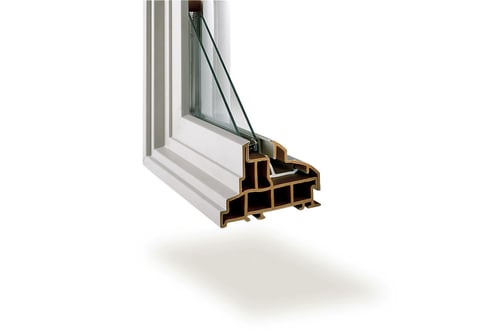
Good to know: Fibrex material is only found in Acclaim® replacement windows, 100 Series windows, and select components of other Andersen products exclusively offered by Renewal by Andersen and Andersen Windows.
Pros of Fibrex material
- Durability and strength: Fibrex material is two times stronger than vinyl and more durable than wood. Fibrex material continues to perform well after 20 years of exposure to extreme temperatures.
- Low maintenance: Fibrex material is easy to clean, highly resistant to rotting, and never requires painting or staining because the color is blended into the protective outer layer. Plus, it’s warranted to not rot, chip, corrode, flake, or peel.*
- Energy efficiency: Fibrex material stays energy efficient using high-quality insulation that helps limit thermal expansion, the temporary expansion or contraction of material with outdoor temperature changes. Fibrex material also has ultraviolet light (UV) stabilizers to prevent it from breaking down in extreme sunlight.
- Home resale value: Fibrex material could boost your home’s resale value more than vinyl windows because of its durability. Replacing your windows with Renewal by Andersen makes your home worth more.**
Cons of Fibrex material:
- Price: Fibrex composite material is typically more expensive than vinyl.
- Timing: For Fibrex material, your investment in your home pays off over time. Consider a more budget-friendly replacement window material if you don’t plan to keep your home long-term.
- Availability: Replacement windows made with Fibrex composite material are exclusively available through Renewal by Andersen.
Vinyl vs. Fibrex® Material
Both Fibrex® material and vinyl have insulating properties, are low maintenance, and resistant to decay and corrosion. See how the benefits of vinyl and Fibrex material compare side by side.
Insulation performance in extreme conditions
Vinyl windows can insulate well, but the thermal performance (the material’s ability to reduce heat transfer from your home to the outside) varies by manufacturer.
Fibrex material maintains higher performance than vinyl against extreme heat and cold, helping you keep a stable temperature in your home year-round.
What 'low-maintenance' windows mean over time
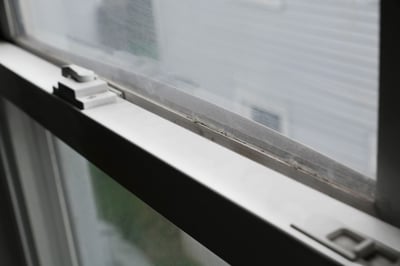
Vinyl windows are low maintenance and don’t require painting or staining. However, vinyl can fade or become chalky over time with exposure to harmful UV rays.
Fibrex material is low maintenance because it never needs scraping or painting. Fibrex material also offers the strength and insulation value of wood with the low-maintenance features of vinyl.*
How window materials resist decay and corrosion
Fibrex material resists decay and corrosion better because it has a special polymer formulation that surrounds and coats each wood fiber in the manufacturing process. In fact, it was shown that after 30 years in a home, Fibrex material doesn’t crack, rot, pit, corrode, flake, blister or peel.†
Vinyl windows can resist decay and corrosion, but in climates with extreme temperature swings, the material can be prone to breaking down when it expands and contracts.
Strength and structural stability in all climates
Structural rigidity is the strength and stability of a material, which can be affected by harsh weather, material quality, time, and other factors.
Vinyl windows typically have thicker frames to maintain structural rigidity. However, vinyl can lose some of its strength and stability over time because it expands and contracts with temperature changes, leading to warping, bowing, or cracking.
Fibrex material is twice as strong as vinyl. Fibrex material maintains structural rigidity in all climates and in temperatures up to 150ºF. It also maintain durability over time, meaning your windows will open and close just as smoothly years from now.
Upfront cost vs. long-term value
Vinyl windows could save you money up front by costing less. Over time, vinyl tends to warp or lose its seal, leading to repair or replacement window costs earlier than you planned.
Fibrex material typically costs more upfront than vinyl windows, but its durability and energy efficiency in all climates can save you money in the long run.
I had vinyl replacement windows installed where I lived previously: they were expensive and did not hold up well at all. I went with Anderson because of your Fibrex windows and your reputation.‡
Energy efficiency considerations for windows
Do energy-efficient windows make a difference? The numbers say it's likely. Heat gain and heat loss through windows are responsible for 25-30% of residential heating and cooling energy use.
Vinyl windows can be energy efficient in extreme climates. However, vinyl may not stay energy efficient when the material degrades and loses its shape over time. Windows made entirely from vinyl may not last due to expansion and contraction in harsh weather, leading to seal failure and leaks.
Fibrex material has high-quality insulation, helping keep the extreme heat and cold outside. Renewal by Andersen's Acclaim® windows are designed for energy efficiency, which can help reduce heating and cooling bills.
Replacement window design and color options
When choosing windows, color, and design flexibility play a big role in bringing your home's style together, especially if you're considering darker finishes.
Dark color performance refers to how well a window frame handles the heat from sunlight. Because darker colors absorb more heat, some materials may warp, fade, or distort over time. This is where vinyl and Fibrex material differ.
Vinyl windows can come in a range of colors and styles, but they aren’t typically available in darker finishes like black due to heat absorption concerns. While some vinyl frames include UV stabilizers to help resist sunlight damage, long-term performance in darker colors may still be limited.
Fibrex material, on the other hand, is engineered to perform well even in high heat. It maintains its shape in darker colors and resists warping or distortion.* Additionally, the color is blended directly into the material’s outer layer, helping protect against fading and damage over time.
From a design standpoint, Fibrex material offers greater flexibility. It’s available in a wider range of shapes, sizes, and colors, making it easier to achieve your desired look. While vinyl offers some customization, Fibrex material is the stronger choice for homeowners seeking more design options—especially when incorporating bold, dark finishes.
Where to buy vinyl vs. Fibrex material
If you’re wondering where to buy windows, two common places are big box stores or a specialty retailer location.
Vinyl windows are widely available from many window companies, including Marvin, Pella, and Window World to name a few.
Windows made with Fibrex material are exclusively available from Renewal by Andersen, which has more than 100 retail locations across North America.
Expected lifespan of window materials
Vinyl windows can last around 30 years, depending on the quality of the material, climate, and installation.
Fibrex material windows can last 30 years or longer and include a 20-year warranty. Fibrex material typically lasts longer than vinyl windows thanks to its durability.
Which Is Better for Windows—Vinyl or Composite?
Choosing between window materials like vinyl and Fibrex® material starts with prioritizing what matters most to you. Consider your budget, window material quality, the climate you live in, and how long you plan to stay in your home. Vinyl is a great fit for lower upfront costs and stable climates. Fibrex material costs more initially, but it can pay off with long-term durability, and performance. When you’re ready, schedule a free in-home consultation to learn how Fibrex material could fit into your home.
Frequently Asked Questions About Window Material
What’s the difference between vinyl and Fibrex®material?
The main difference between vinyl and Fibrex material is strength and long-term durability. Vinyl windows are made entirely from PVC plastic and may cost less upfront, while Fibrex material is made from reclaimed wood fiber and polymer that maintains strength and stability in extreme temperatures. Windows made with Fibrex material typically last a long time and perform well over time.
Why do windows made from Fibrex material cost more than windows made from vinyl?
Windows made of Fibrex material typically costs more than vinyl windows because they’re made with higher-quality materials that last.*
What’s Renewal by Andersen’s warranty on windows made from Fibrex material?
Renewal by Andersen has a 20-year warranty for standard glass and Fibrex material, 10 years on non-glass parts, and warrants installation.
Are windows made from Fibrex material available from other companies?
Only Renewal by Andersen has Fibrex material windows specifically designed for replacement.
Are vinyl windows energy-efficient?
Vinyl windows have strong insulation for energy efficiency. Some replacement window materials like Fibrex material can be more energy efficient over time because of its long-term durability. One way to improve energy efficiency in a window made from vinyl is to use triple-pane glass.
* Visit renewalbyandersen.com/warranty for details.
** 2024 Andersen brand survey of U.S. real estate agents.
† Six window units were tested in a Minnesota home 30 years after installation. Visit renewalbyandersen.com for warranty information.
‡ Your experience may vary.
Our Hassle-Free Process

Step 1
Design Consultation
Step 2
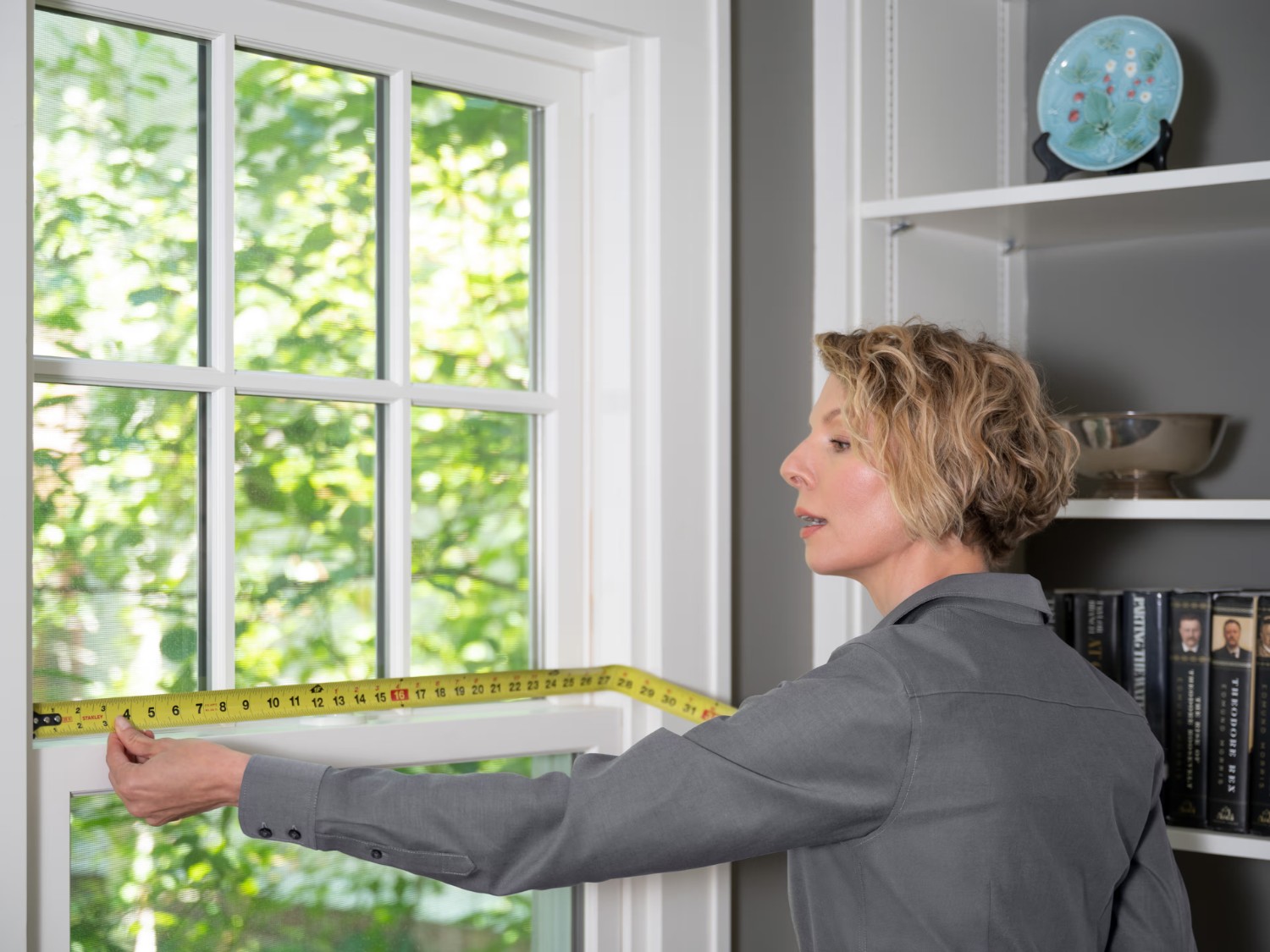
Measure and Manufacture
Step 3
Installation
Step 4