


Resource Article
What Are the Best Windows for Historic Homes?
Key takeaways:
- The best windows for historic homes balance period-appropriate design, like grille patterns and specialty shapes, with modern performance and low-maintenance materials.
- Double-hung windows are the most historically authentic and practical window type for most historic properties.
- Grille patterns (colonial, prairie, farmhouse, and modified prairie styles) are one of the most effective tools for preserving the architectural character.
- Specialty and custom shapes, including arched and round windows, can be custom-manufactured.
Sometimes the old windows in a home just can't be saved. Maybe the frames have rotted beyond repair, or the hardware has failed, or the glass is fogged with failed seals, or every winter you're fighting drafts no amount of weatherstripping can fix. Whatever brought you to this point, you've decided it's time to replace the windows, and now you're facing a different question: how do you replace windows in a home with real architectural character without stripping away everything that makes it special?
That's the tension historic homeowners know well. You want modern performance without a modern look. You want to stop the drafts, but you don't want to lose the divided lights, the arched tops, or the character that gave your home its personality in the first place.
The good news is that replacing windows in a historic home doesn't have to mean a compromise. The right combination of window type and custom sizing can help preserve, and in many cases even improve, the look of an older home while helping solve performance problems the originals had. At Renewal by Andersen, we've worked with homeowners on projects ranging from 1840s farmhouses to 19th-century firehouses, and the approach is always the same: understand the home first, then find windows that belong in it.
This guide covers the window styles, grille patterns, and window types that work best for historic homes, along with real project examples to show you what's possible.
Why Do Windows Matter So Much in Historic Homes?
Windows define more of a home's character than most people realize. They determine the rhythm of a facade, the proportion of each room, and the visual language that signals a home's era and style. Changing the windows can change the whole face of the house. If you get it wrong, even an otherwise well-restored home can look off.
That's why interior designer and co-star of HGTV's Unsellable Houses, Lyndsay Lamb, who is restoring her 1920s bungalow in Washington state, prioritizes its historic aesthetic.
"With this house, I really wanted to bring out its character, and bringing out the character of this home is really what brings me joy and what I've really loved about this house," Lyndsay said.
"Most of the windows were in really bad shape,” she remembered. “Out of I think 28 windows there were maybe a handful that were actually working. I wanted to make sure that we were addressing the things that really were going to help add value to this house. Windows were at the top of that list."
Likewise, Liz Marie Galvan who restored an 1840s farmhouse in Michigan, put windows at the top of her renovation priority list. "Most people don't think a lot about the aesthetics of windows," she said, "but windows themselves can be a game changer." For her, a historically accurate grille pattern was non-negotiable. "One of the key parts of our renovation was to use a historically accurate grille pattern. So every window and door we've added to the house has simulated divided light grilles, bringing a sense of history to the space both inside and out."
When your windows are beyond repair, you need to think about more than which windows perform best but also which windows look like they belong.
What Style of Windows Are Best for Historic Homes?
Window style – double hung, specialty, etc. – can help determine whether a window looks right. For most historic homes, two categories cover the majority of needs.
Single-hung and double-hung windows
Single-hung windows feature a lower sash that moves up and down, and an upper sash that is fixed. Double-hung windows are the most historically prevalent operating window type for most American architecture. Both the upper and lower sash slide vertically, which is how windows worked in most homes built before the mid-20th century. The visual profile, the proportions, and the operation all fit naturally in colonial, Federal, Victorian, Craftsman, and farmhouse-style homes.
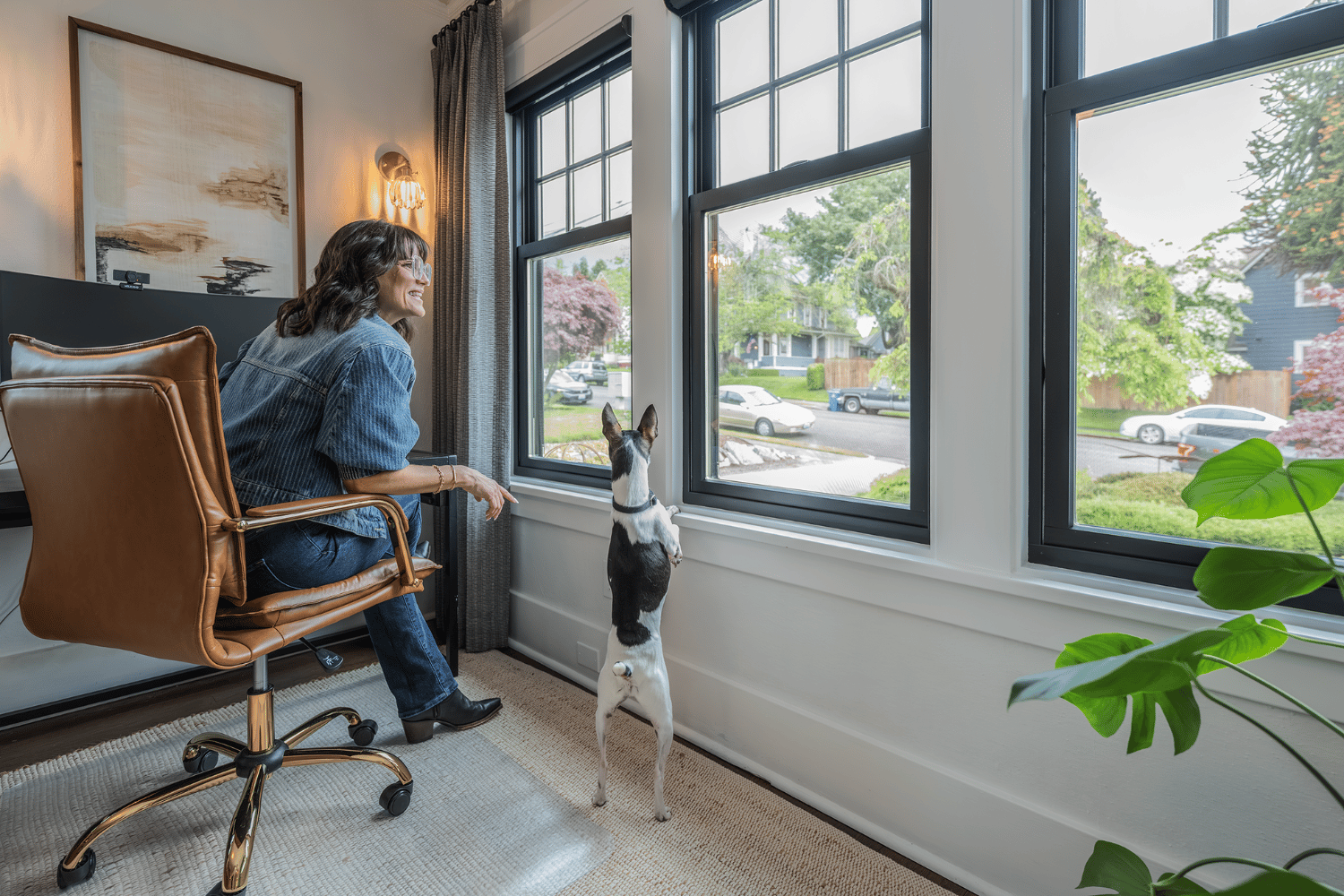
They're also practical. Liz Marie Galvan chose double-hung windows from Renewal by Andersen for her farmhouse restoration for a specific reason: they're easier to clean. "With the release of two clips, I just tip the windows inward and easily clean them from inside the comfort of my home." For a two-story home, that matters even more.
Double-hung windows also offer good ventilation control. You can open the bottom sash to let cool air in, the top sash to let warm air out, or both for cross ventilation. This matters in older homes where room placement and natural airflow were part of the original design logic.
Specialty and custom windows
Not every opening in a historic home is a standard rectangle. Arched windows, semicircular transoms, round accent windows, and other non-standard shapes require custom manufacturing to replace properly.
Custom specialty windows can be designed to match the original shape of a wide variety of openings and combined with operating windows for ventilation. At Renewal by Andersen, specialty windows are available in 15 different shape options, including custom and combination configurations. They can be paired with grille patterns and interior finishes to create a complete picture that looks like it was always part of the home.
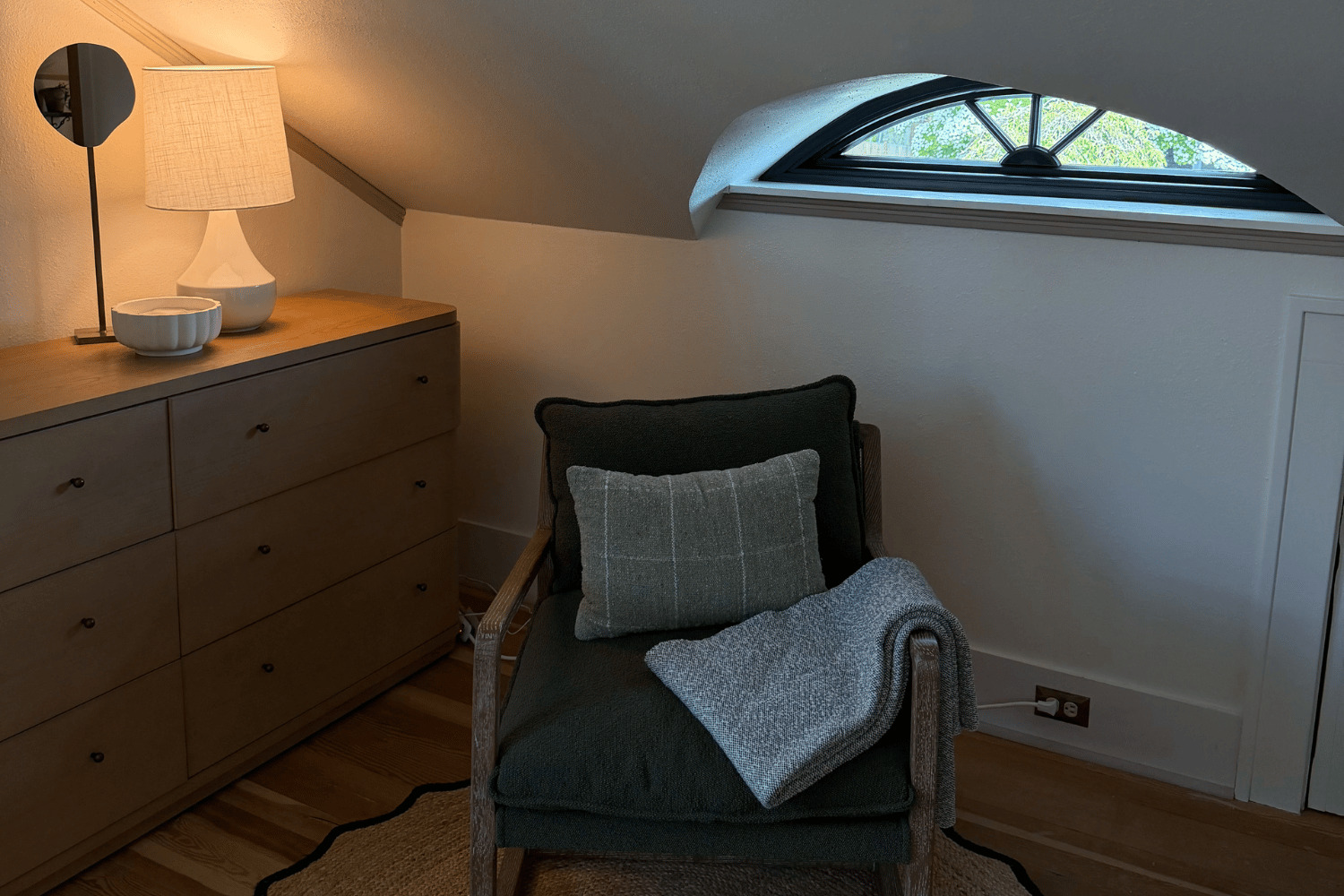
Lyndsay Lamb’s unique arched specialty windows with custom grilles
Details: Grilles, Specialty Shapes, and More
The best windows for historic homes are ones that look like they've always been there. That typically comes down to a few details: grille patterns and specialty shapes. Together, they help give new windows the visual language of the original architecture.
Grille Patterns
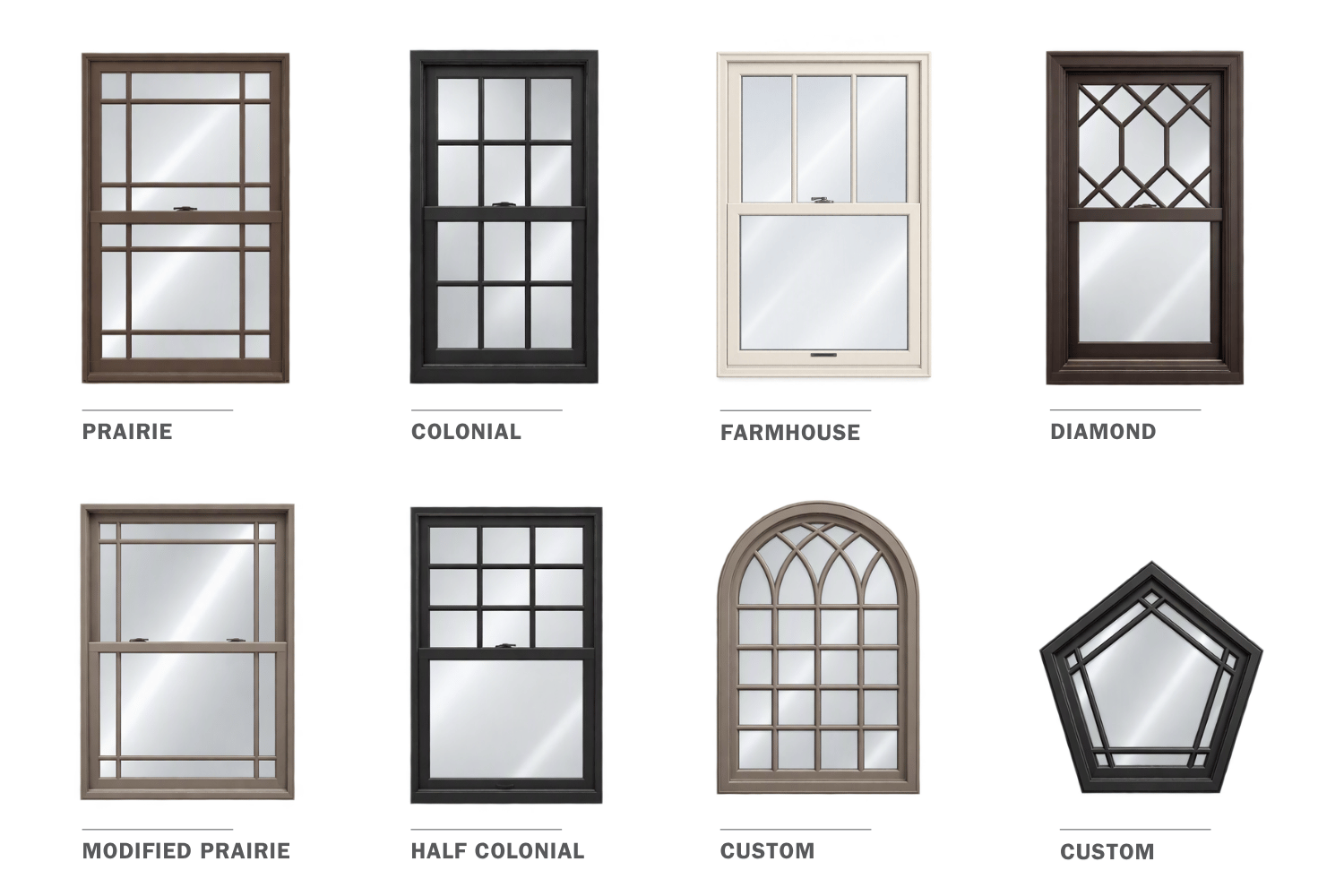
Grilles (also called mutins or grids) divide a window's glass into smaller panes. In historic homes, divided lights are structural more than decorative, because early glassmaking couldn't produce large sheets of uniform glass. Today, grilles are usually simulated, but they serve the same visual purpose: they make a new window look like it belongs in an old house.
The most common grille patterns for historic homes include:
- Colonial: Equal rectangular panes arranged in a grid, typically two columns of three or four rows. This is the standard divided light look for Georgian, Federal, and early American homes. It's classic, symmetrical, and works in almost any period.
- Farmhouse: Similar to colonial styles but often simpler, with fewer panes and a more relaxed, rural feel. This pattern suits traditional farmhouses, Craftsman bungalows, and cottage-style homes.
- Prairie: Inspired by Frank Lloyd Wright's Prairie style, this pattern features a border of small squares around a larger central pane of clear glass. Its distinctive horizonal lines make it especially well suited to Arts and Crafts, Prairie, and early 20th-century homes.
- Modified Prairie: A more flexible variation of the prairie pattern, adjusted for different window proportions or to balance a mixed window scheme. It keeps the border-square motif without being as strict as a true prairie grid.
Grilles can be applied between the glass panes (where they don't interfere with cleaning and look clean from the exterior) or on the surface of the glass. For historic applications, between-the-glass grilles offer a clean look that doesn't collect dust.
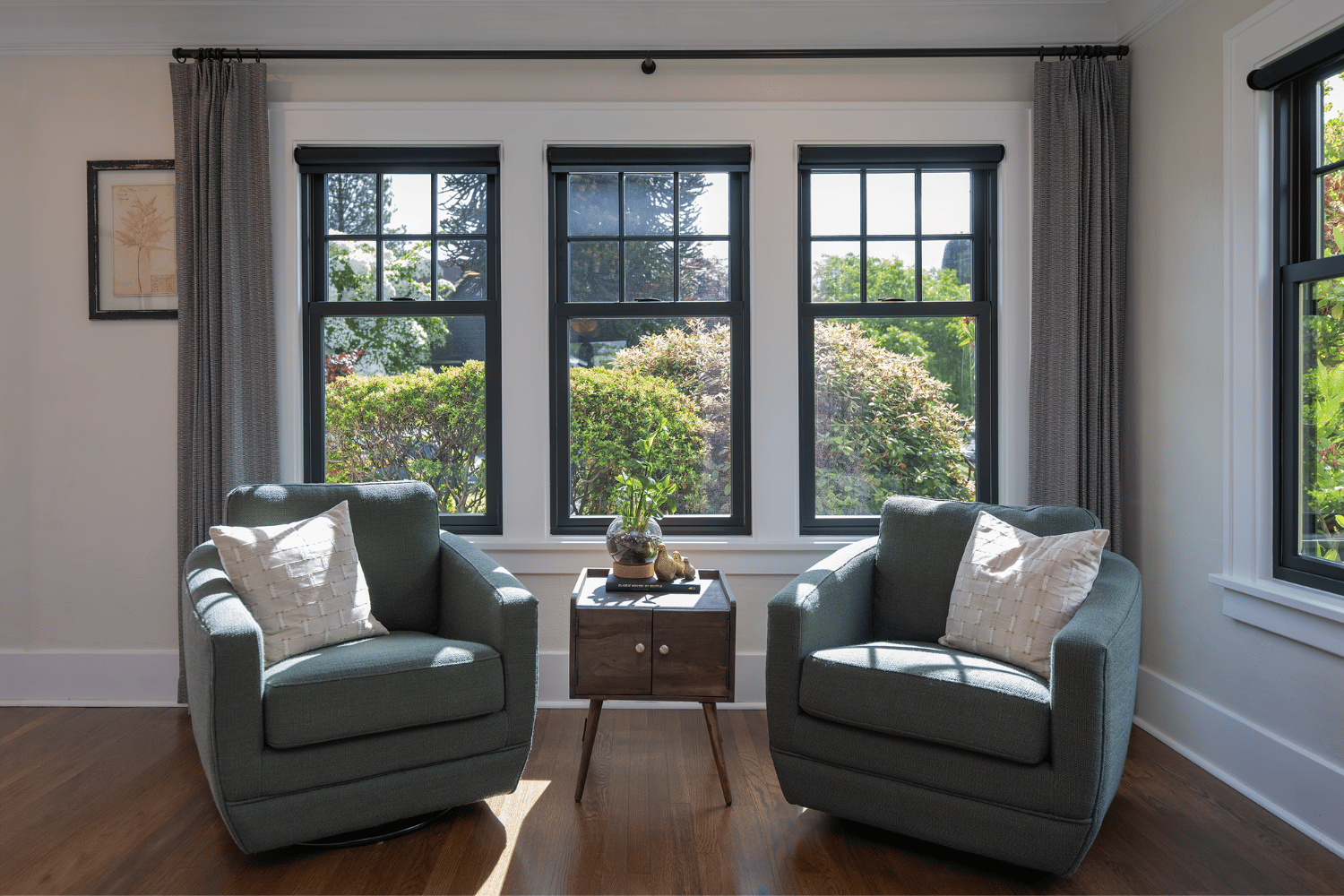
In her 1920s home, Lyndsay Lamb chose black double-hung windows with colonial grilles. "I want to make them a statement in this house," she said. Her choice fits well into her home's existing architecture and style. "I absolutely love them. They're beautiful. The style of them are just absolutely gorgeous."
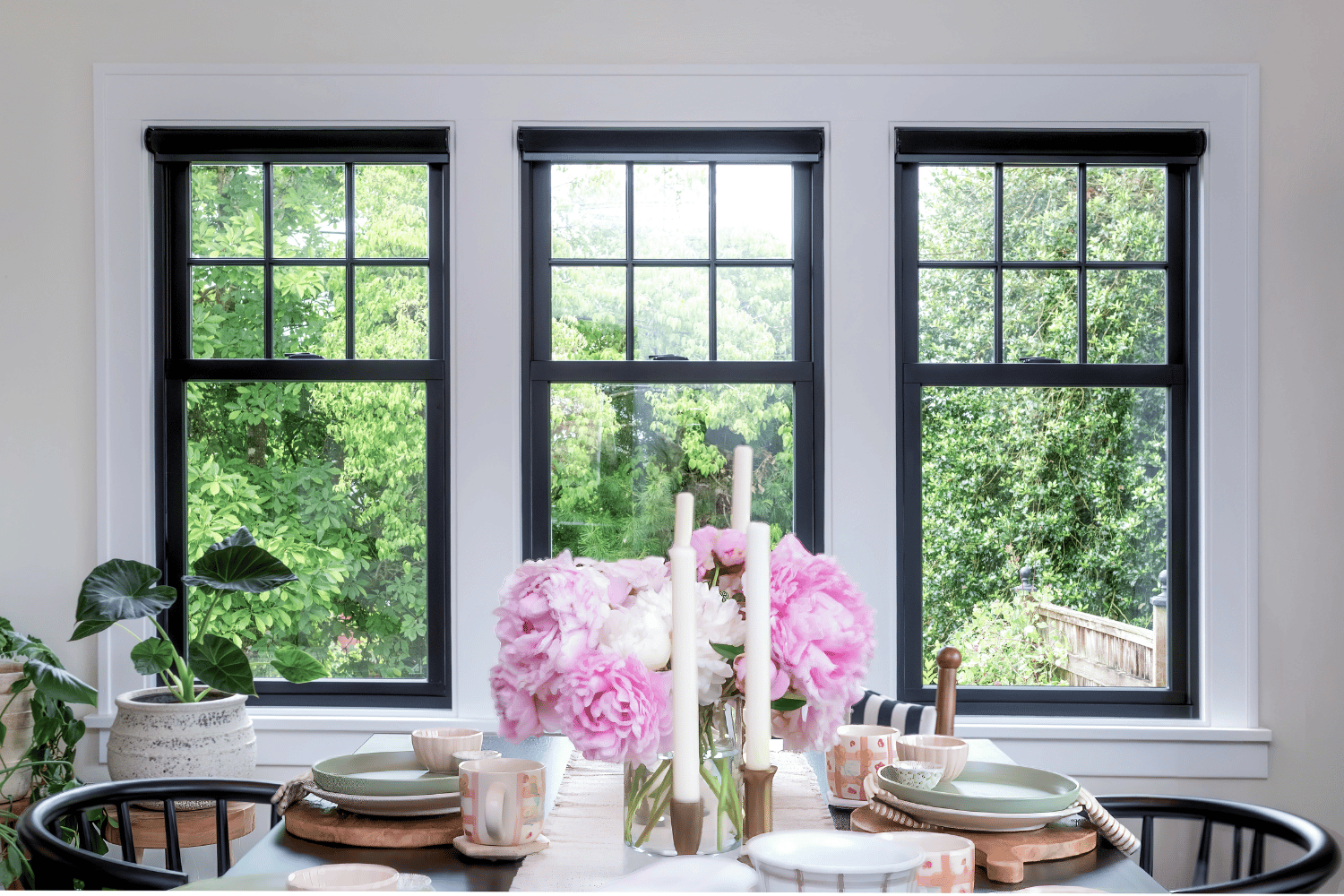
Lyndsay Lamb chose 6-over-1 colonial grilles with 2/3 divided light to match her home’s 1920s historical character.
Custom and specialty shapes
Many historic homes have window openings that standard off-the-shelf windows simply can't fit. Arched tops, round windows, oculus windows, transoms, and other non-rectangular shapes are common in older architecture, and they're often the most distinctive features of the home. Custom and specialty window manufacturing makes it possible to replace these openings with new windows that match the original shape precisely, without the performance compromises of the originals.
Lyndsay Lamb had uniquely shaped and sized windows in her home. Renewal by Andersen replaced all the windows in her home, including these specialty windows. It was important to her that she found a replacement company that makes custom windows that fit her home’s unique opening sizes. She didn't want to lose the character, the old siding, or the original millwork. Custom design, custom manufacturing, and custom installation made a big difference for her.
Replacement Window Materials: Why They Matter
The vast majority of windows in homes built before the 1950s and ‘60s were made of solid wood. After World War II, a surplus of metal resulted in the first aluminum windows for residential use. If you have a historical home, chances are your original windows are or were solid wood. The downside of solid wood windows is their susceptibility to rot.
If you’re replacing solid wood windows in your historic home, you have a few material options to stay within the architectural story of your home.
- Clad wood: Most modern-day wood windows have a wood core or interior and are covered, or “clad,” in other materials like aluminum, fiberglass, or vinyl. Acting as a barrier, window cladding can help resist moisture, wood rot, insect damage, and damage from harmful UV rays. These windows often have a wood interior that you can stain or paint, giving you the historical character that the original windows had.
- Composite: Composite replacement windows combine the beauty and charm of wood, and the low-maintenance nature of vinyl. Many composite frames like our Acclaim® replacement windows made with Fibrex® composite material have real wood veneer interior options to match the look you’re trying to achieve.
- Fiberglass: Fiberglass is technically a composite material as well, made with glass fibers and resin. Like composite materials, fiberglass can be paired with a real wood veneer interior or a material engineered to look like wood.
Real Project Examples: Historic Homes Done Right
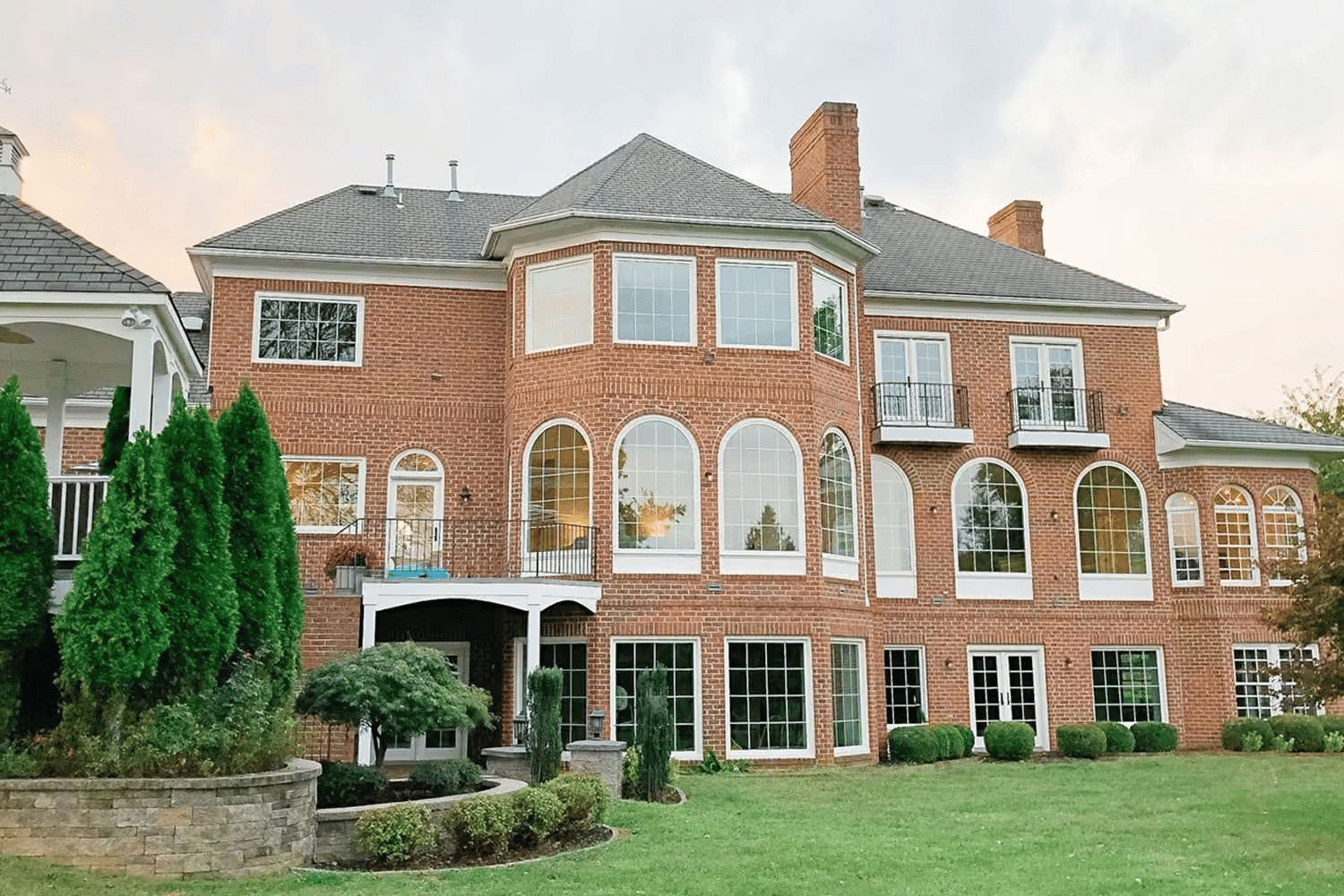
The Arched Manor (Leesburg, Virginia)
When Megan and John Kaplar moved into their Georgian colonial home, the 20-year-old wood windows had rotted frames, gaps, and water leaks. After a drafty winter, spring rainstorms, and a summer of insect infiltration, they knew the windows had to go.
Their biggest design challenge was the home's signature arched windows. They worked with a Renewal by Andersen design consultant to create single-piece picture windows that mimicked the look of steel-framed windows with black mullions. The consultant also helped save them thousands of dollars by recommending they raise the bottom frame of the large rear windows by 15 inches. That recommendation created an option that kept the aesthetic of the couple's Georgian, and also reduced the glass area enough that the windows could be meet the local code with non-tempered glass.
The final result was white composite exteriors for HOA design compliance, wood interiors painted black, and large picture windows that gave the home a dramatic aesthetic. "The windows are really the star of the show," Megan Kaplar said.
Lamb & Co. Design Center (Snohomish, Washington)
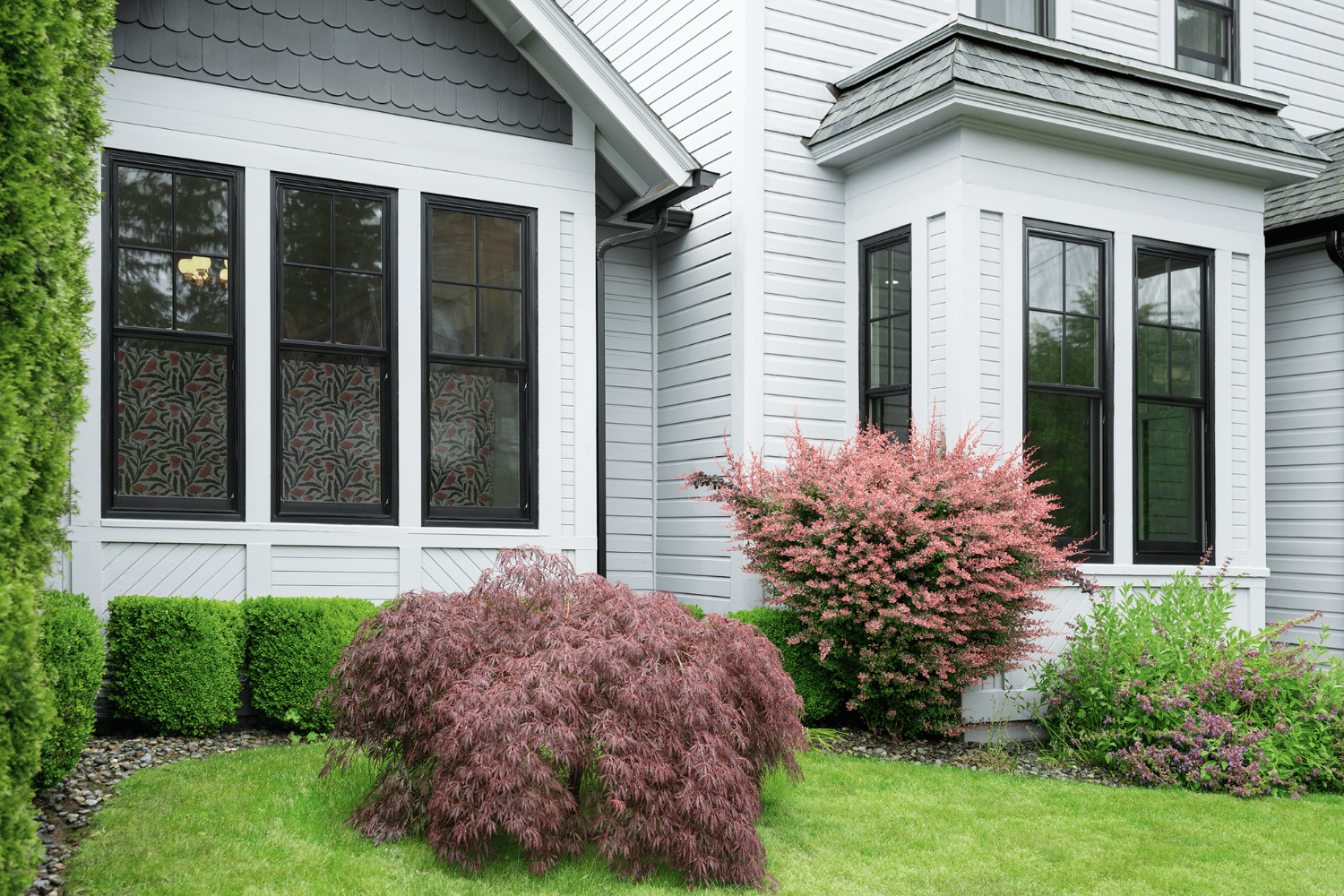
HGTV's Lyndsay Lamb and Leslie Davis had all the windows in their Snohomish, Washington design center replaced. The building was an old 1920s house that still had its original single-pane windows with weight-and-pulley mechanics. They wanted to preserve the original character of the windows and worked with Renewal by Andersen for custom design and manufacturing.
The building's historic bones, original woodwork, and unique architectural details required windows that could hold their own visually while meeting modern performance standards.
Specialty and custom windows were central to the project. The goal throughout was to maintain the historic design elements of the building while adding their own identity to the space. "I love the fact that we were able to add a little extra design to our windows and not lose any of the character that we already had. We got to keep the character of the old building, but we still added a little extra design feature to the windows. And the windows now on the exterior are a feature of the building," Lyndsay said.
White Cottage Farm (Michigan)
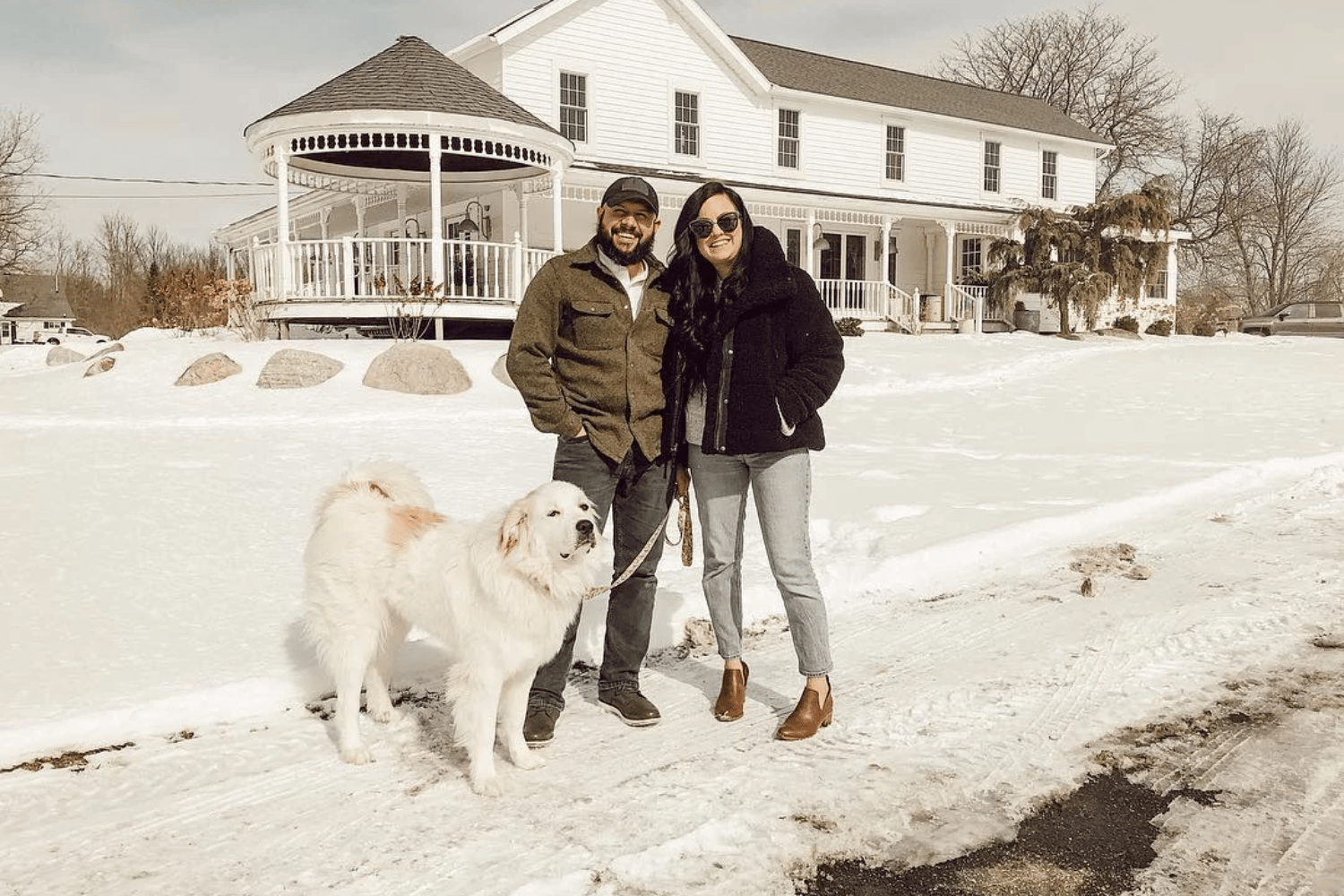
Designer and lifestyle blogger Liz Marie Galvan has been restoring an 1840s farmhouse in Michigan since 2014. For her, the window decision came down to authenticity and performance. The originals were either non-functional or "screeched so loudly you didn't want to open them," and they were drafty and poorly insulated.
She chose Andersen® products for the lower level and Renewal by Andersen® double-hung windows for the upstairs. The colonial grille pattern runs through every window and door in the home, creating the visual consistency that defines her design philosophy. "The grilles really bring the farmhouse to life, both inside and out," she said. "It's just so classic American farmhouse to me."
What's Right for Your Home?
Historic home window replacement is one of the more complex window projects out there, and it's also one of the most rewarding when it's done right. The right windows can bring a tired facade back to life, help solve decades-old performance problems, and give you a home that looks more like itself than it has in years.
If you're not sure where to start, a free in-home consultation is a low-pressure way to get a clear picture of your options. There's no commitment, just a conversation about your home, your goals, and what the right windows for your specific situation would look like.
Schedule a free consultation with Renewal by Andersen to get started.
Frequently Asked Questions
Can I replace windows in a historic home without losing its character?
Yes. The key is choosing windows with the right grille patterns, proportions, and shapes to match the original architecture. Custom manufacturing allows new windows to replicate the visual details of period-appropriate divided lights, arched openings, and other non-standard shapes that define historic homes. The result can be windows that look like they were always there while performing far better than the originals.
What grille pattern is right for my historic home?
It depends on the architectural style of your home. Colonial grille patterns (equal rectangular panes in a grid) suit Georgian, Federal, and early American homes. Prairie and modified prairie patterns work well in Arts and Crafts and early 20th-century homes. Farmhouse patterns fit rural, traditional, and cottage-style homes. A design consultant familiar with historic architecture can help you identify the pattern that's most appropriate for your home's period and style.
Are there windows that won't rot like the originals did?
Yes. Wood windows in historic homes commonly fail due to rot, especially in climates with moisture, cold winters, or humidity. Fibrex® composite material, used in Renewal by Andersen® windows, won't crack, pit, corrode, or rot.* It combines the structural feel of wood with the low-maintenance properties of a composite, which makes it a practical choice for homes where the original wood windows have failed.
Do I need to replace all my windows at once in a historic home?
Not necessarily, but there are good reasons to consider it. If most of the original windows are failing at a similar rate, replacing multiple windows at the same time may make more sense – you avoid a visual mismatch between new and old. Depending on the project, replacing multiple windows at once can be more cost effective because of fewer installation visits. You could also be eligible for volume discounts (the windows cost less per window if you buy more of them).
Can specialty shapes like arched or round windows be custom-made?
Yes. Custom specialty windows can be manufactured to match virtually any opening shape, including arched tops, semicircular transoms, oculus windows, and triangular forms. These can be paired with grille patterns and interior finishes to create a complete look that matches the original character of the home.
*See Renewal by Andersen® Products and Installation Transferable Limited Warranty for details.
Our Hassle-Free Process

Step 1
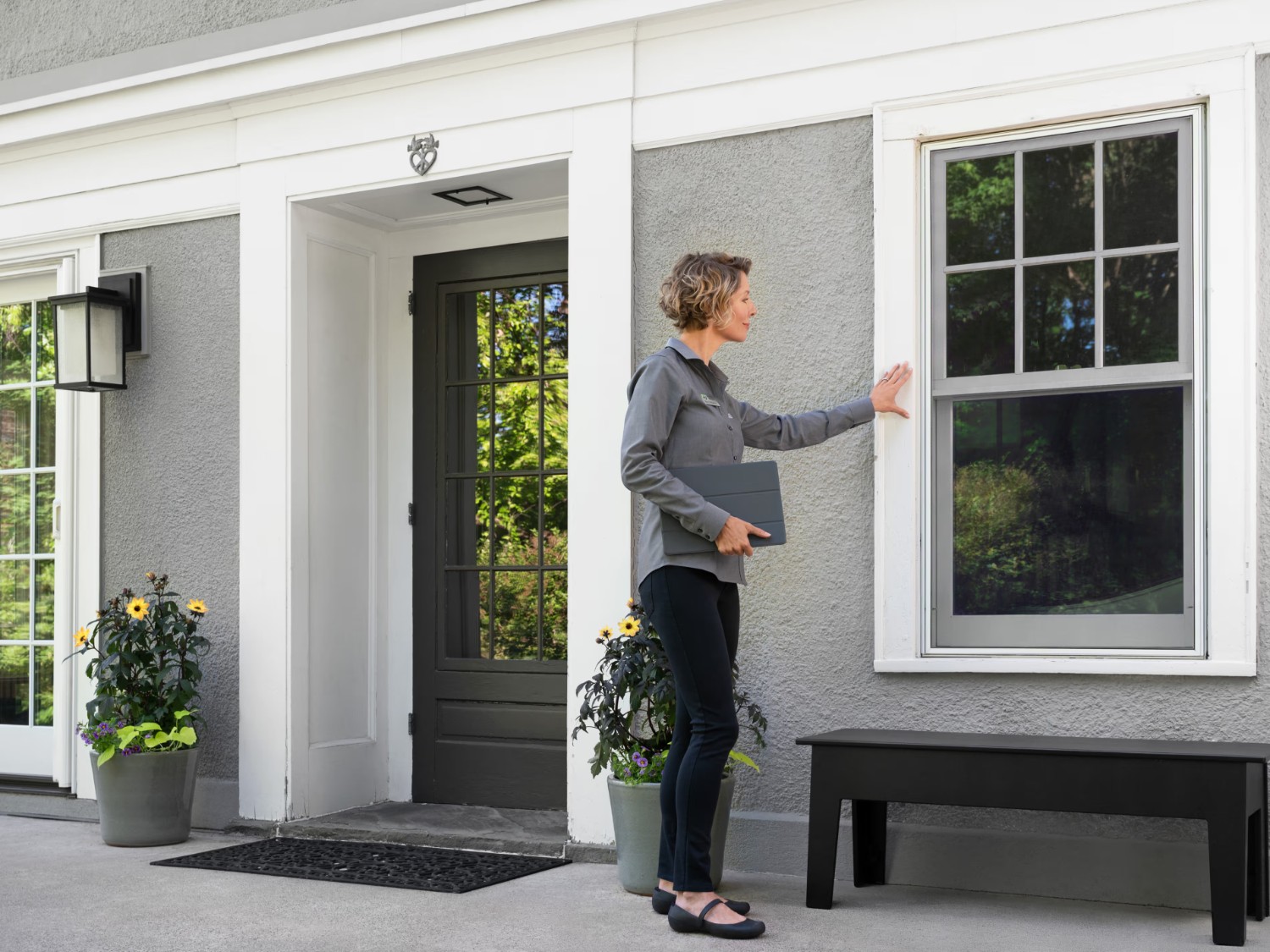
Design Consultation
Step 2
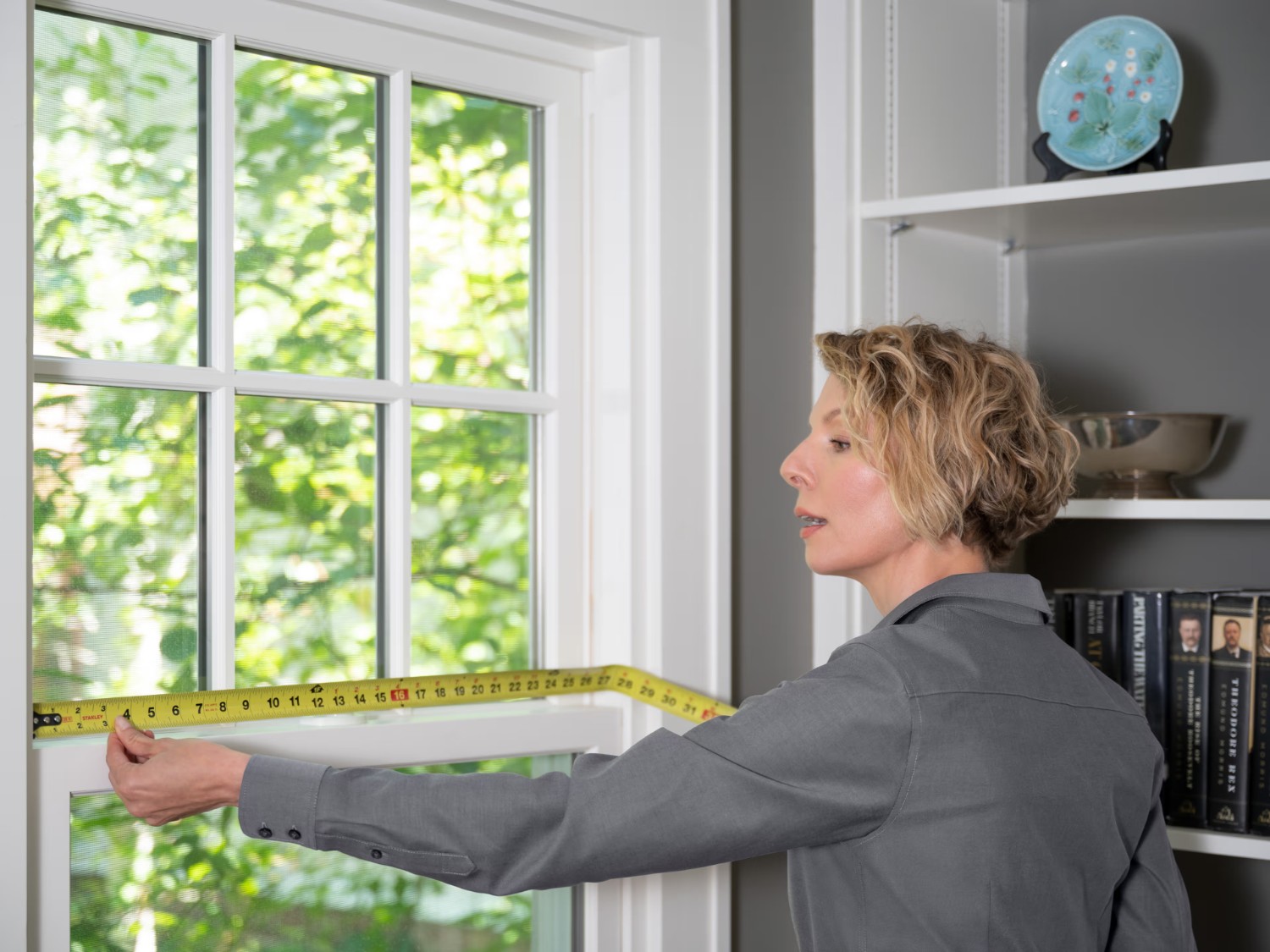
Measure and Manufacture
Step 3
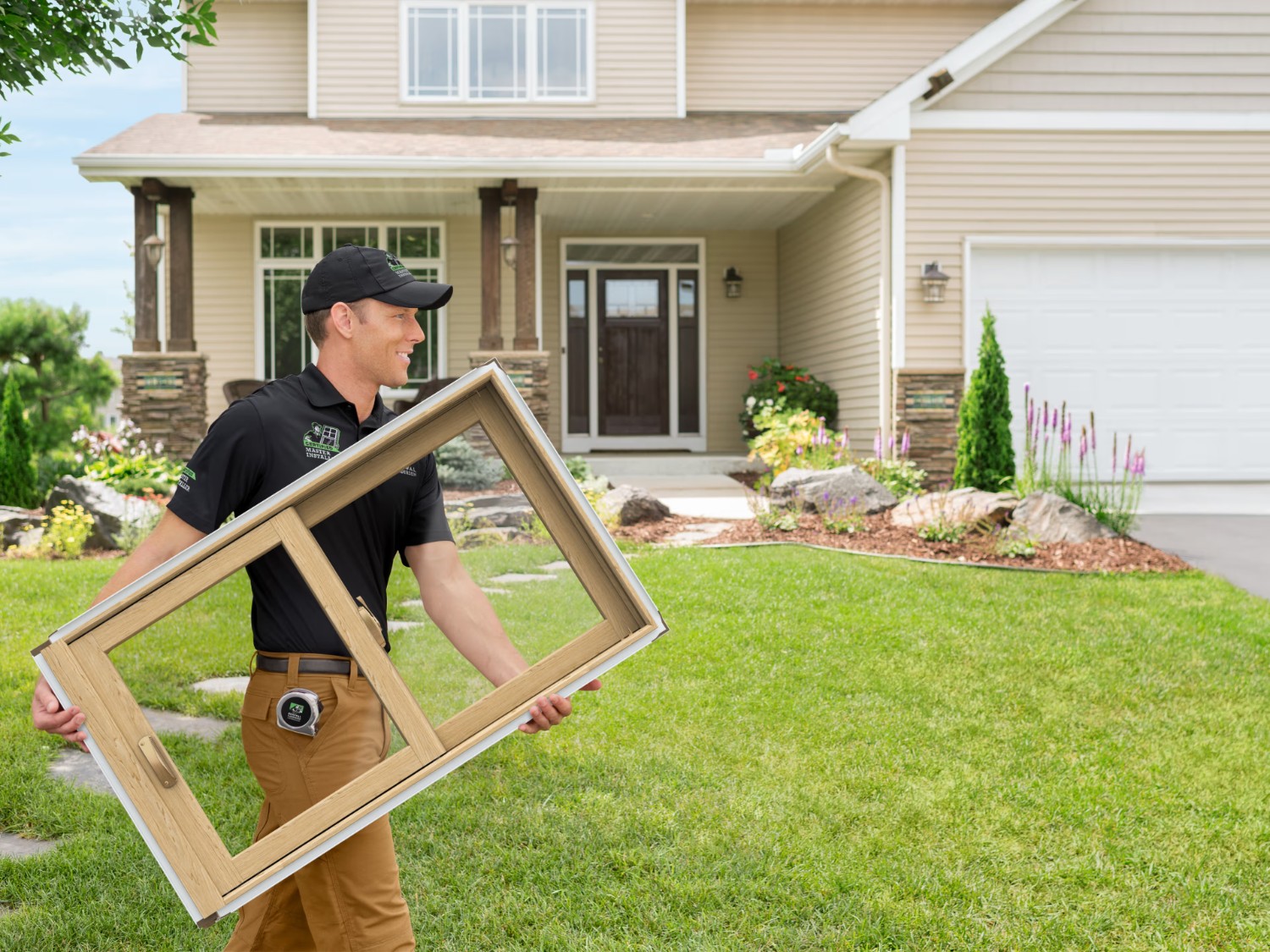
Installation
Step 4