.png?h=455&iar=0&w=1182&rev=d74e300da7ba4627bde32b9c768419b5)


Resource Article
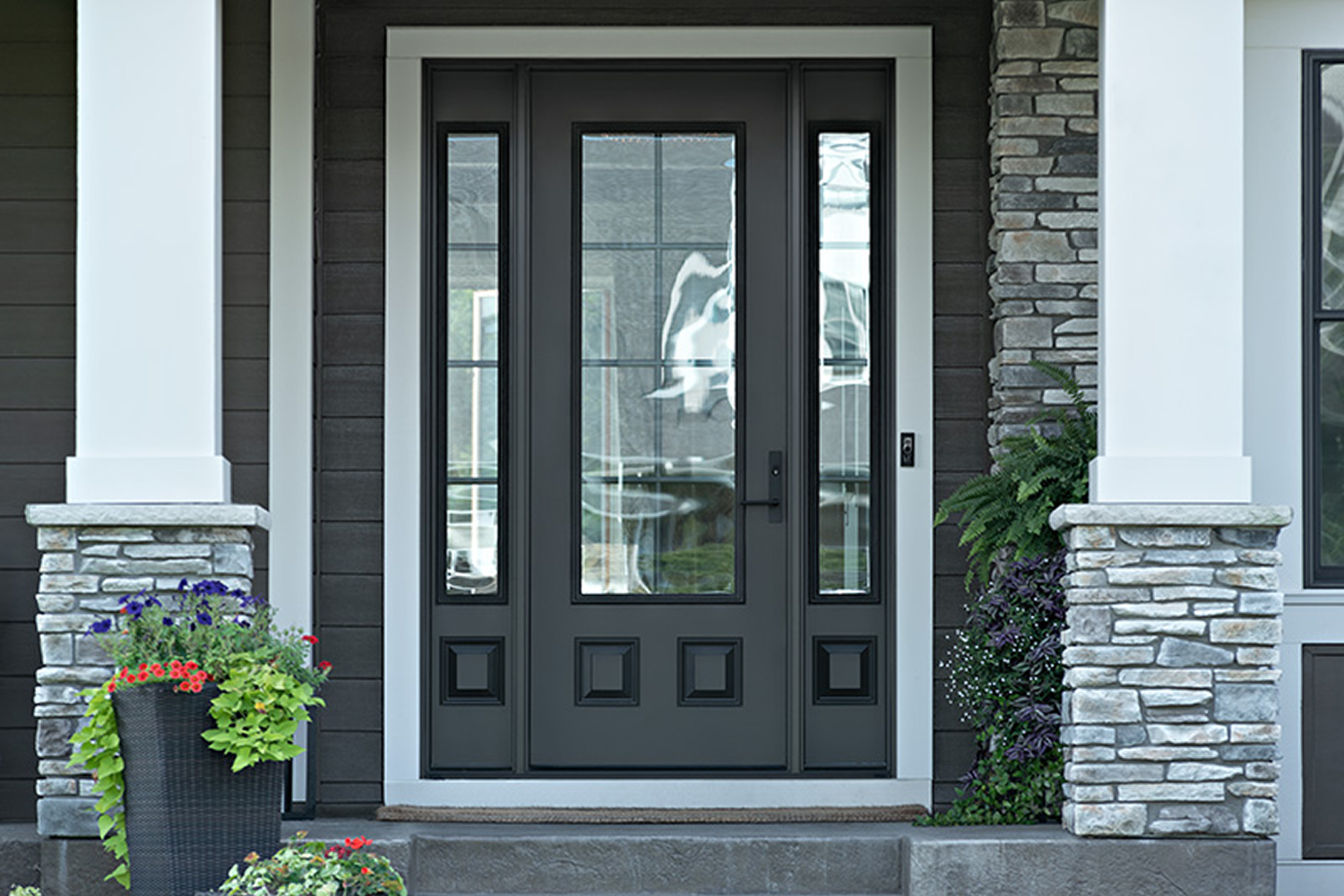
Built to Last: The Materials Behind Ensemble® Entry Doors
Key takeaways:
- Front entry door materials each have tradeoffs: wood offers timeless beauty, fiberglass provides durability and energy efficiency, and steel delivers strength and security.
- Renewal by Andersen’s Ensemble® Entry Doors are engineered to combine the advantages of wood, fiberglass, and steel into one durable, low-maintenance, weather-resistant system.
- Features such as a dual-composite frame, insulated foam core, and custom-fit construction help improve energy efficiency, long-term performance, and all-weather protection.
When it comes to choosing a new front door, the material you pick matters just as much as its design. Your entry door does a lot more than welcome guests—it protects your home from the elements, helps keep energy costs down, and adds to your home’s overall character.
That’s why Renewal by Andersen created the Ensemble® Entry Door—the perfect blend of style and engineering. These doors combine the best qualities of today’s leading materials—wood, fiberglass, and steel—into one strong, energy-efficient design that looks beautiful and performs even better.
Every Ensemble® Entry Door is also custom-built for your home and tested to stand up to the toughest weather conditions. The result is a door that fits perfectly, seals tightly, and a door you can depend on season after season.
Understanding Entry Door Materials
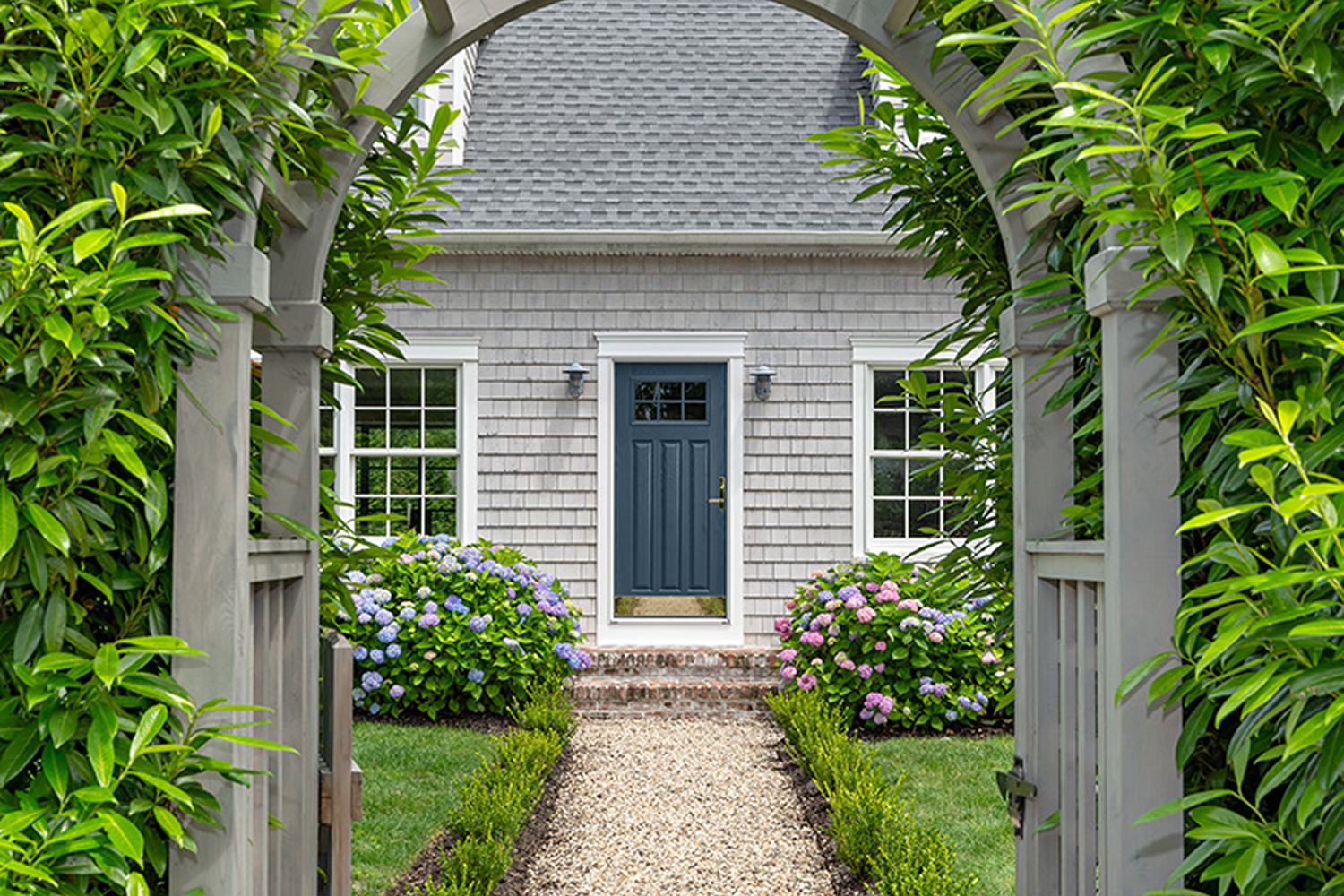
If you've started looking for a new front door, you've probably noticed that most are made from one of the following materials: wood, fiberglass, or steel. Each one has its perks—and its drawbacks.
- Wood gives you that classic, timeless look but needs regular upkeep.
- Fiberglass is durable and efficient but can feel lighter or less solid than other materials.
- Steel is tough and secure but can rust or dent over time.
Ensemble® Entry Doors take the best parts of each material and combine them into one innovative design that's built to last for decades.
Wood doors - Natural beauty, higher maintenance
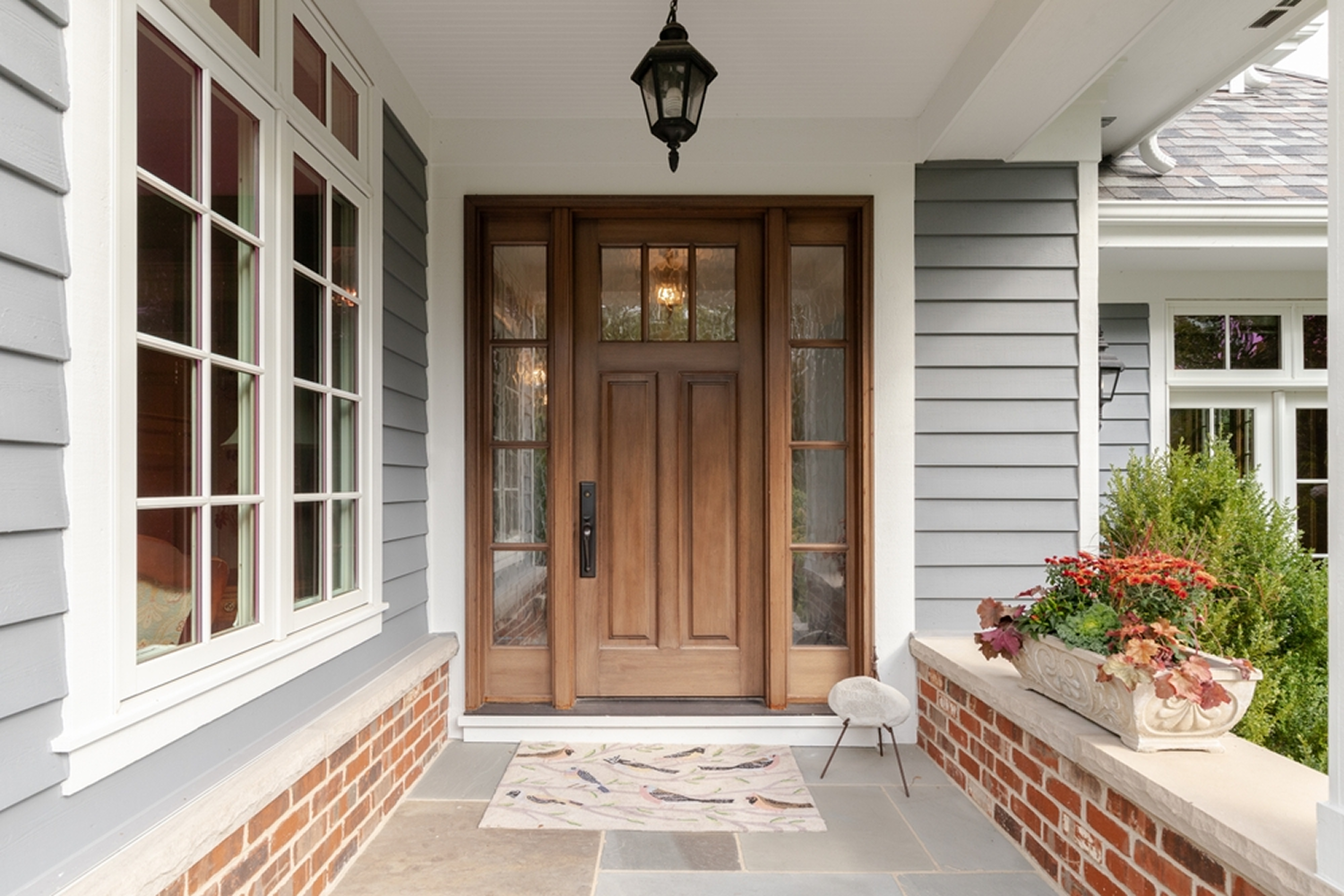
For homeowners who love the look and feel of real wood, few materials compare. Wood doors add natural warmth, depth, and architectural detail, and they can be customized with stains and paints. However, this timeless beauty comes with added upkeep. Wood doors are more vulnerable to swelling, cracking, and fading due to moisture and sunlight, and they often require refinishing to maintain their appearance over time.
Fiberglass doors - Lightweight and low maintenance
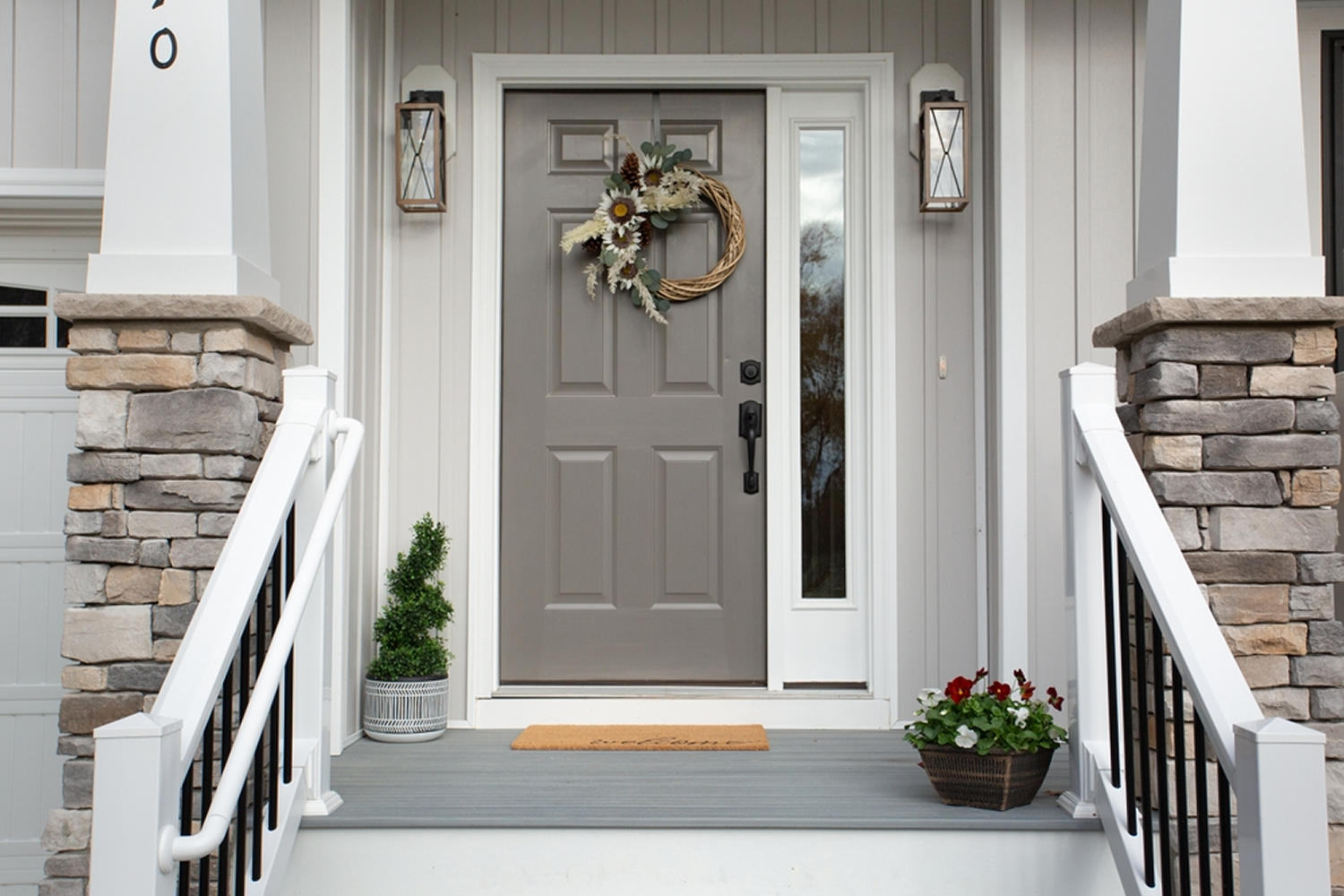
Fiberglass doors are among the most popular options for homeowners today. They're resistant to warping, rotting, and rusting, and they offer strong energy efficiency thanks to insulated cores. Their textured surfaces can even mimic real wood, offering a balance of beauty and practicality. However, fiberglass doors can sometimes lack the solid feel and warmth of traditional wood, and repairs can be challenging if the surface becomes damaged.
Steel doors - Strong and secure
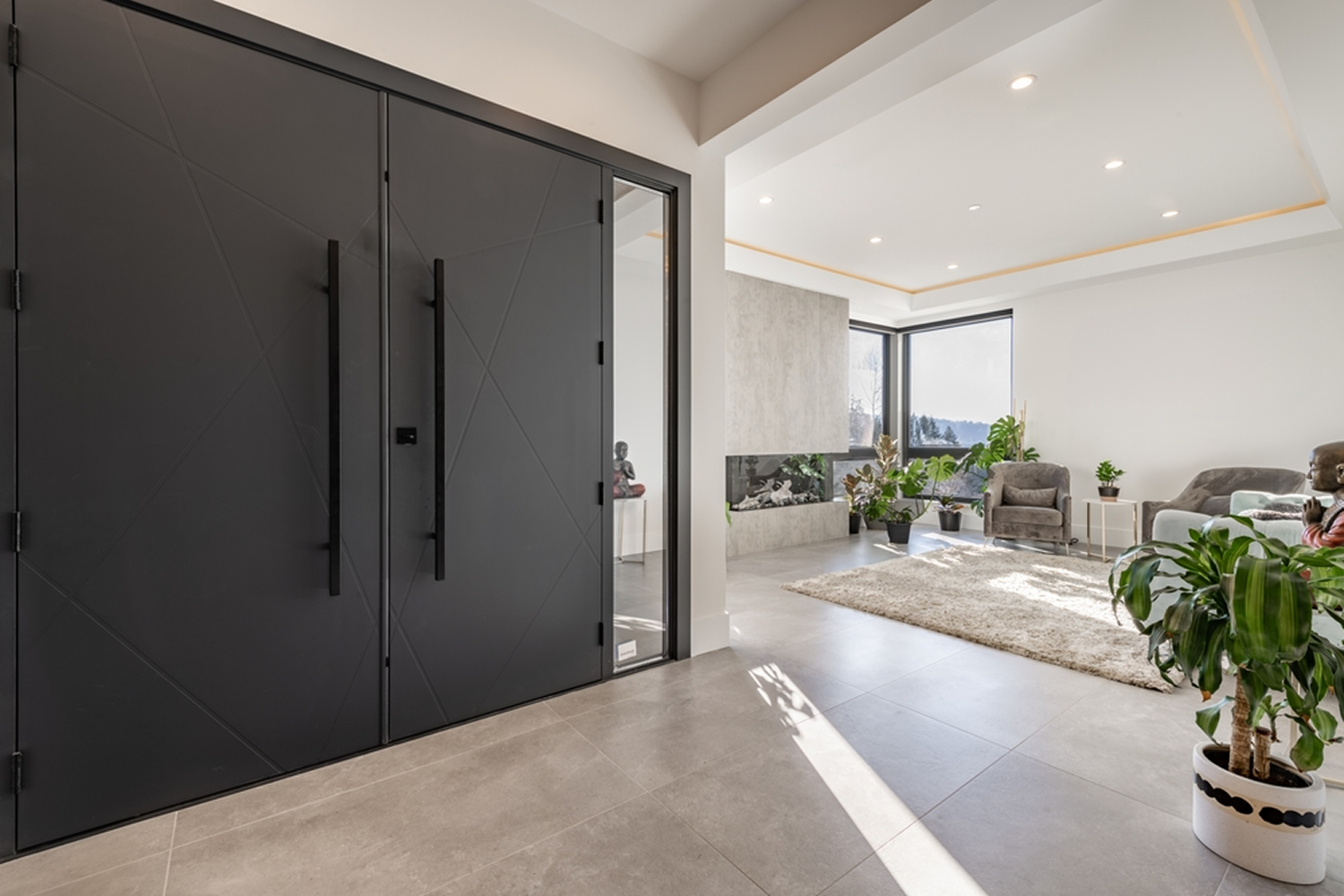
Steel doors are prized for their security and structural strength. They're typically less expensive than wood doors and offer dependable protection against weather and impact. While steel provides excellent durability, it can dent or rust of not properly finished. Because steel conducts heat and cold, these doors can also be less efficient in extreme climates and offer fewer design options.
How Ensemble® Entry Doors Combine the Best of All Materials
Each Ensemble® Entry Door system features a continuous dual-composite frame for exceptional durability and weather resistance. The scratch-resistant fiberglass panel is reinforced with a laminated veneered lumber skeleton for strength and stability. Unlike steel or wood, these doors won’t rust, rot, or dent—so they stay beautiful for years.
Every panel also includes a full-perimeter composite edge that protects against moisture and insect damage. Inside, a CFC-free foam core provides superior insulation for comfort and efficiency. The result is a door that brings together craftsmanship, technology, and everyday durability.
Engineered for energy efficiency and longevity
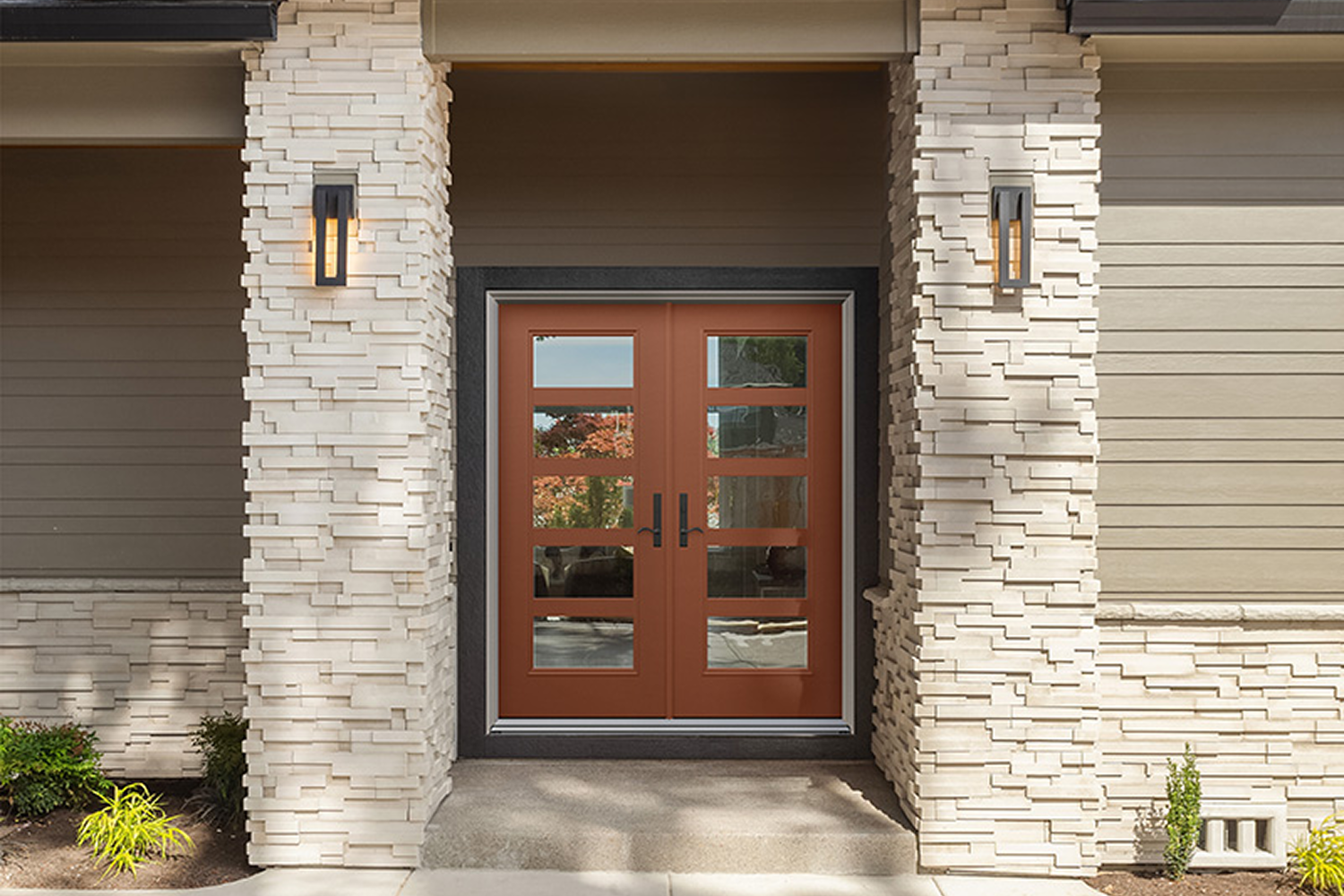
The continuous composite frame and insulated fiberglass panel help keep your home cozy in winter and cool in summer. The CFC-free foam core boosts efficiency, while the full-perimeter seal blocks drafts, moisture, and even insects.
Because these doors don’t rust, rot, or dent, they maintain their structure and finish with little upkeep. Rigorously tested for strength, energy performance, and weather resistance, Ensemble® Entry Doors are built to handle whatever the forecast brings.
Customized for Your Home
Every Ensemble® Entry Door is built to your home’s exact measurements for a precise, weather-tight fit—no gaps, no leaks, no pests.
You can personalize nearly every element: choose your panel design, add transom windows or sidelights, select decorative glass or grilles, and pick from dozens of interior and exterior colors. You can even mix finishes—perhaps a rich wood tone inside and a bold color outside—to match your personal style.
Designed, Built, and Installed by Renewal by Andersen
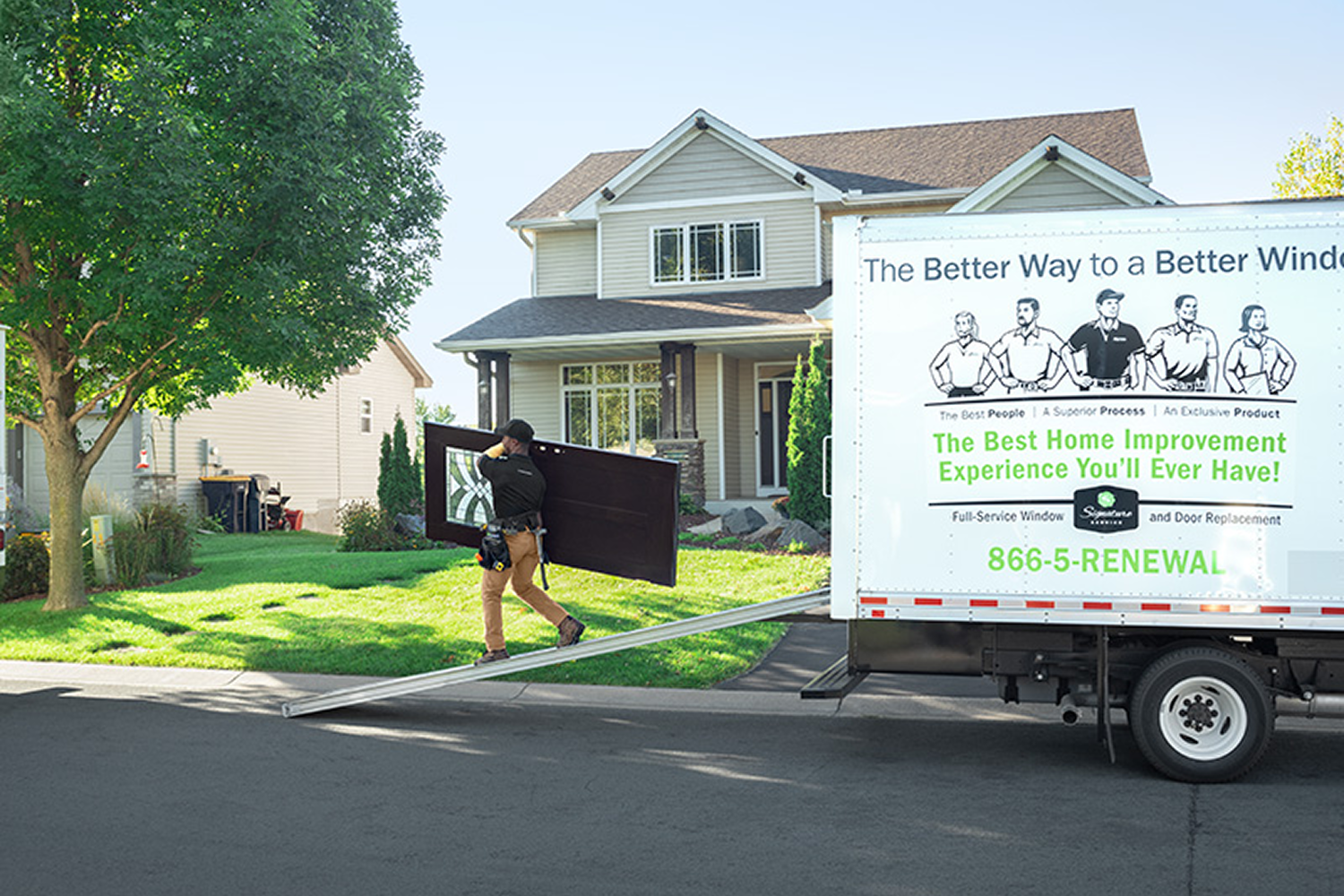
When you choose an Ensemble® Entry Door, you get Renewal by Andersen’s Signature Service—from the first consultation to final installation. One dedicated team handles the process from start to finish, so everything fits and functions perfectly. Each door is backed by a fully transferable limited warranty for added peace of mind.
Schedule your free consultation to see how an Ensemble® Entry Door can transform your home’s entryway with beauty, performance, and precision craftsmanship.
Frequently Asked Questions About Ensemble Front Entry Doors
Want to know some of the differences between an entry door and other exterior doors? Maybe you'd like to investigate some of the options and customizations available for the different Ensemble® Entry Doors? If you've got questions, we've got answers.... Check out some of our most frequently asked questions about our exclusive Ensemble® Entry Door System.
Curious to take an in-depth look at window and door replacement topics and products? Explore our resources section. For design inspiration, head over to our design library!
How do I know if I need to replace my entry door?
Is your entry door doing its job—keeping the elements out, helping keep your home secure, and enhancing curb appeal and looking great—or is it showing signs of wear and tear? Maybe it's time to consider an upgrade that improves functionality, security, and style. Here are some signs to look out for if you are wondering if it's time for a replacement entry door.
- Performance Issues: If your door is sticking, doesn't operate smoothly, or no longer closes securely, those could be signs of wear and tear. Drafts, difficulty locking, or damaged weather seals are other signs that it's time for a replacement.
- Aesthetic Concerns: An outdated entry door can detract from your home's appearance. Whether it's faded or simply doesn't match your home's design, a replacement could restore both beauty and style.
- Visible Damage: Look for visual signs of aging like rot, warping, or cracking around the frame. Damaged glass or worn-out weather seals can also point to the need for a new door.
Recognizing these signs early can save you from security concerns, higher energy bills, and future maintenance costs.
What is the best material for a front entry door?
It depends on your priorities. Wood offers beauty, fiberglass provides durability, and steep adds security. Ensemble® entry doors combine all three advantages into one design.
How are Ensemble® entry doors different from other fiberglass or steel doors?
The Ensemble® entry door is a system that has a continuous dual-composite frame and a reinforced fiberglass panel supported by laminated veneered lumber—offering superior strength, insulation, and resistance to damage.
Are the Ensemble® entry doors energy efficient?
Just like when we talk about windows and patio doors, when we talk about the energy efficiency of front entry doors, we have to consider the whole picture—from the frame to the glass to the installation.
Our Ensemble® entry doors' excellent insulating properties, weathertight seals, and a patented Andersen driven-rain-management sill system earn our single-panel entry doors Performance Grade (PG) and NFRC certifications. The panels are also foam-filled to maximize the energy performance.
Plus, our entry doors offer a wide variety of glass options to suit most every climate zone, including dual- and triple-pane options, and numerous coating types for cold climates, warm sunny climates, and everything in between. Learn more about the benefits of our available glass options.
And of course, installation is paramount. The best windows and doors will do you a disservice if they are not installed correctly and professionally. Improperly installed product can lead to damage of your home and door, as well as gaps, air infiltration, and more. At Renewal by Andersen, we know the right way to install every product we sell, in every part of the country and within a wide variety of unique home contruction styles—and of course we warrant our products AND our installation.
Are the Ensemble® entry doors secure?
Yes! Ensemble entry doors also help make your home safer and more secure. They provide extra protection against forced entry, which can give you and your family peace of mind.
The dual-composite frames, reinforced panels, and hardware systems are engineered to deliver industry recognized forced-entry resistance* and some of the highest security grades achievable.
Ensemble doors with a Mortise lock configuration feature:
- Stainless Steel Multi-Point Mortise Locking System: Latches the door in three places, for a secure, weather-resistant entry.
- Reinforced Composite Panel: Durable, Laminated Veneered Lumber (LVL)-reinforced fiberglass panel enhances strength and provides robust support for hinges and lock assemblies.
- Routed Hinge Pockets: Our exclusive, ball-bearing adjustable hinges fit securely into a deep route in the Laminated Veneered Lumber (LVL)-reinforced panel edge, providing a nested hinge leaf for lasting secure attachment.
- Strong Strike and Backer Plates: Hinges and extra-thick strike plates are attached to the entry door perimeter frame with steel backer plates and heavy-duty machine screws. The steel hardware plates allow for long screws to be driven through the door frame into the rough opening of the home for additional and enduring performance.
- Solid Wood Lock Block: A 16-inch, solid-wood lock block supports and protects the stainless-steel lock cartridge and built-in deadbolt. The multi-point latch contains integral triggered-overthrew latch bolts that deeply engage the frame for added panel retention.
Can I customize the color or finish of my Ensemble® entry door?
Absolutely. Choose from a variety of finishes, glass, hardware, sidelights, and transoms—even select different colors inside and out.
How long does it take to replace an entry door?
Most installations are completed in as little as one day, depending on your project.
What materials are good for entry doors?
Common materials for an exterior entry door include wood, steel, and fiberglass.
- Wood has a natural elegance and can enhance a traditional style home. It does require regular maintenance, and can be expensive, however.
- Steel is a budget friendly option and is energy efficiency, that in part to its core, which is often-foam filled. It is less prone to shrinking or warping or weather, and can be very secure. Steel does dent easily, so high traffic areas where looks are a concern may not be the first location.
- Fiberglass doors are a versatile option. They also typically have a foam-filled core and offer excellent energy efficiency. Low-maintenance and durable, they can be textured to look like wood, come in many colors, including paintable, and are less prone to dents than steel.
You should choose your entry door material based on energy efficiency, security concerns, and the style of your home.
How long does it take to replace an entry door?
The time your job takes varies depending on the number of windows and doors, the size of your crew, and the complexity of your structure—and a large majority of our replacement jobs are completed in as little as one day!
*For residential entry doors when independently tested per ASTM F476: Standard Test Method for Security of Swinging Door Assemblies, cylinder body pull, cylinder pull and jamb spread tests achieve Grade 30, with all other referenced tests achieving Grade 40 when configured with a mortise locking assembly.
Our Hassle-Free Process

Step 1
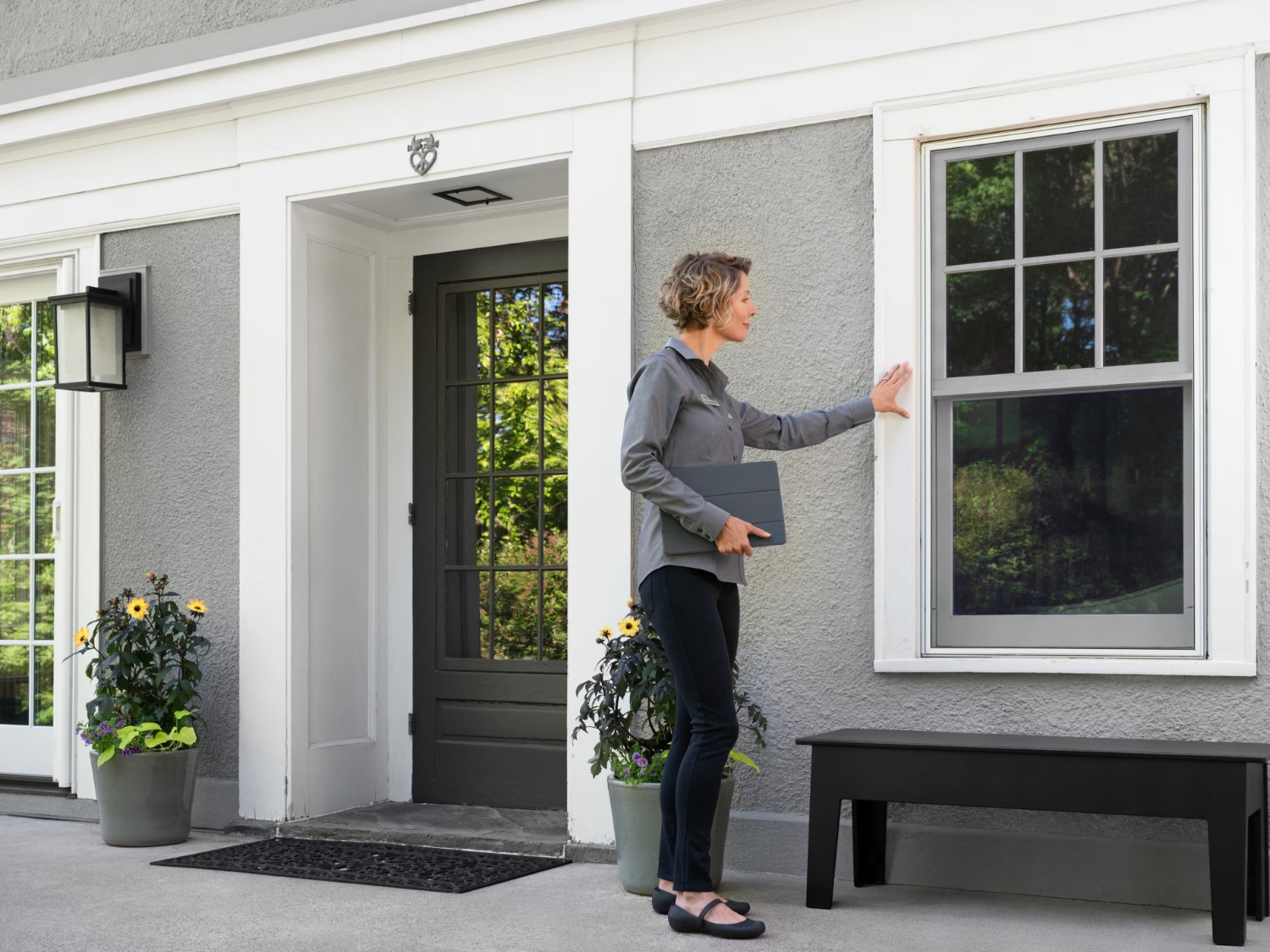
Design Consultation
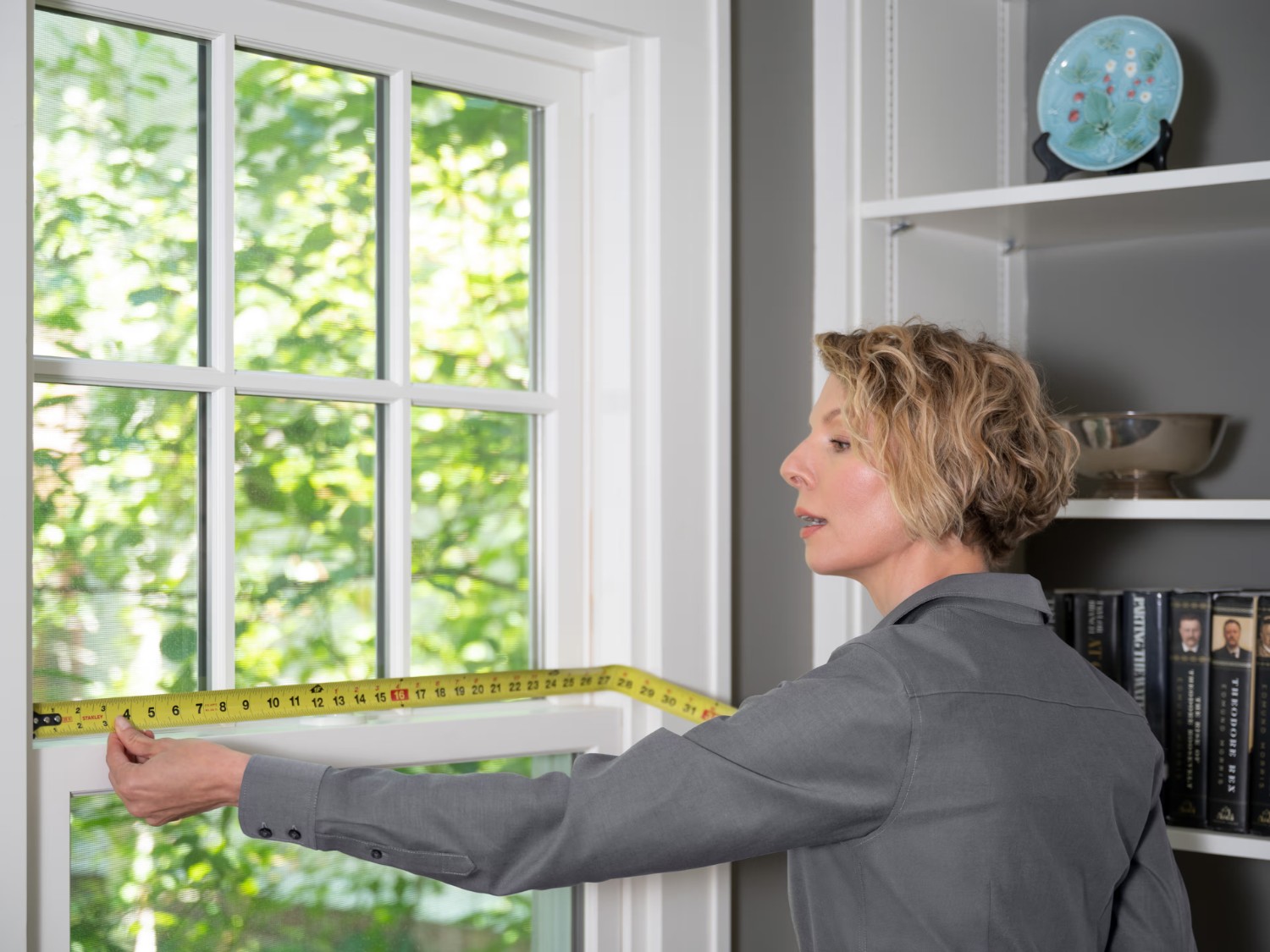
Step 2
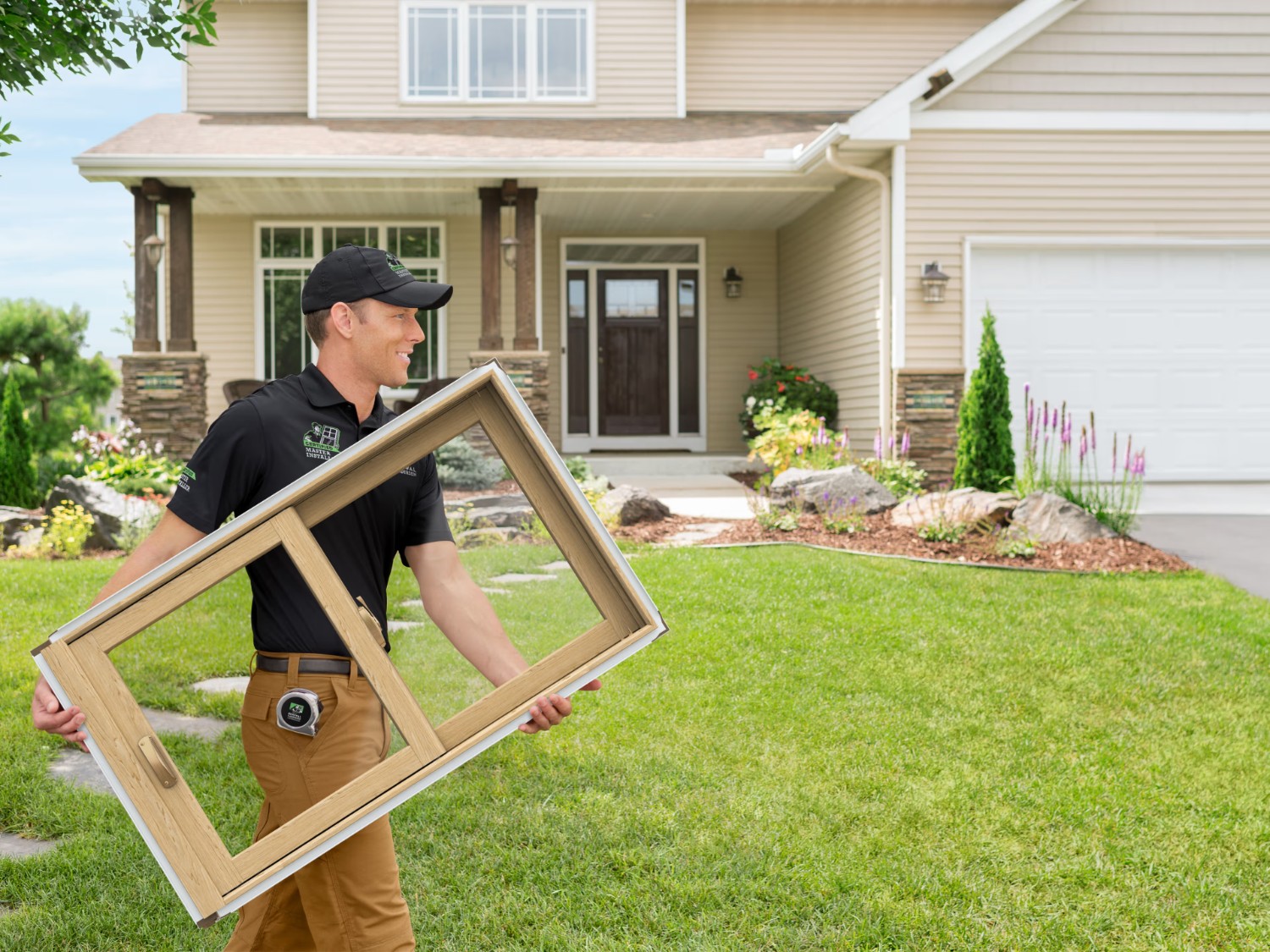
Measure and Manufacture
Step 3
Installation
Step 4