.png?h=455&iar=0&w=1182&rev=d74e300da7ba4627bde32b9c768419b5)


Resource Article
Window and Door Screens: Your Complete Guide to Insect Screens
Key Takeaways:
- Why insect screens matter: Understand the importance of having quality screens for your home.
- Screen comparison: See how standard aluminum and TruScene® insect screens stack up against each other.
- Compatibility guide: Find out which screen configurations are available for each Andersen® patio door series.
- Care and maintenance: Learn how to clean and maintain your screens to ensure they last for years to come.
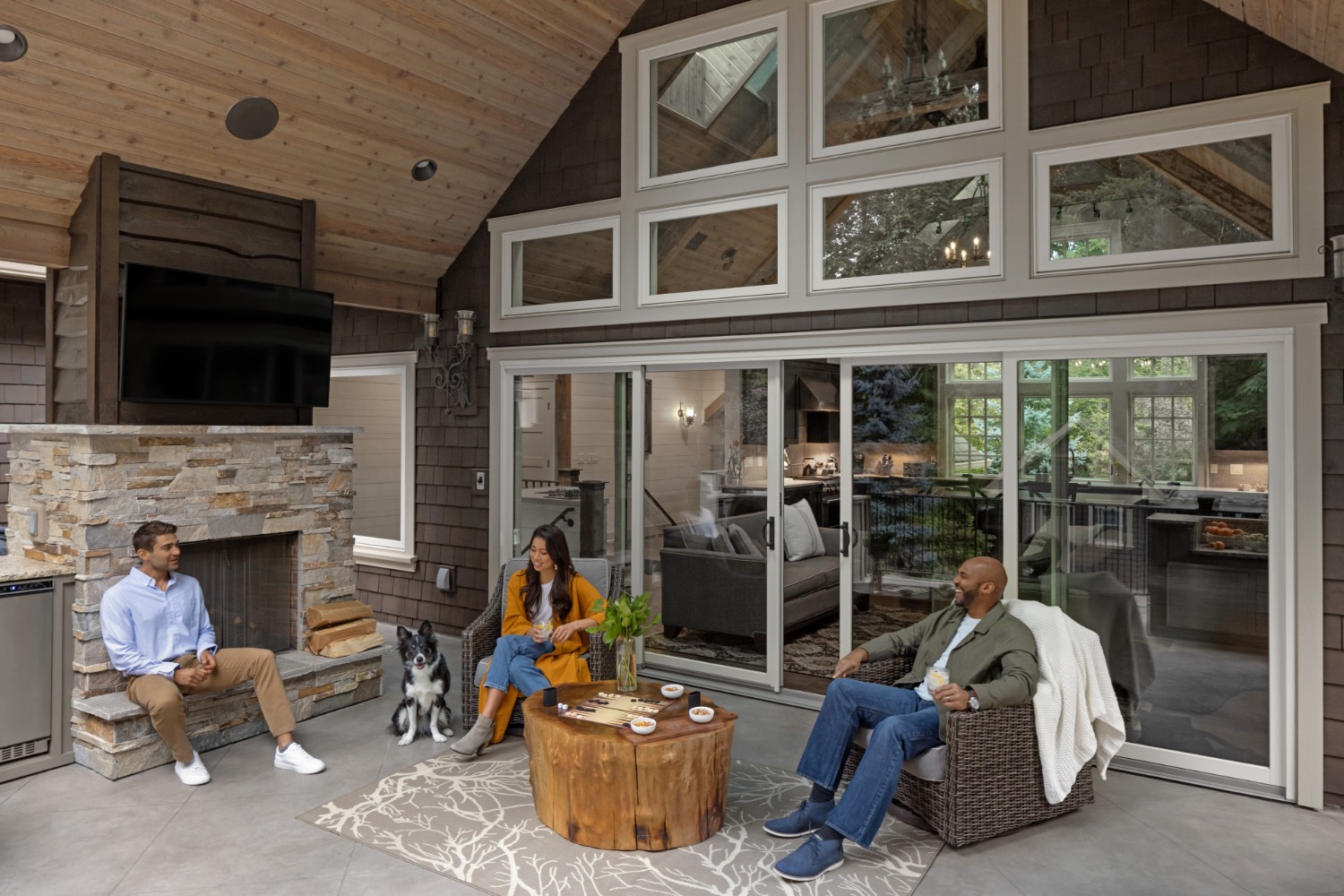
Picture this: it's a warm summer evening, and you've finally slid open the patio door to let in that perfect cross-breeze. However, within minutes something with six legs decides it's also invited. A quality insect screen helps solve that problem—no bug spray required.
Window and door insect screens are one of those home features that quietly do a lot of heavy lifting. They keep flying insects and outdoor debris, like leaves, out and let fresh air flow freely through your home. With Renewal by Andersen, insect screens come standard with every operable Acclaim® window and are available for both Andersen® patio doors, so you can enjoy fresh air in your home.
This guide covers everything you need to know: why insect screens matter, how standard aluminum and TruScene® insect screens compare, which screen configurations fit each Andersen® patio door series, and how to clean and maintain your screens season after season.
Why Insect Screens Matter More Than You Think
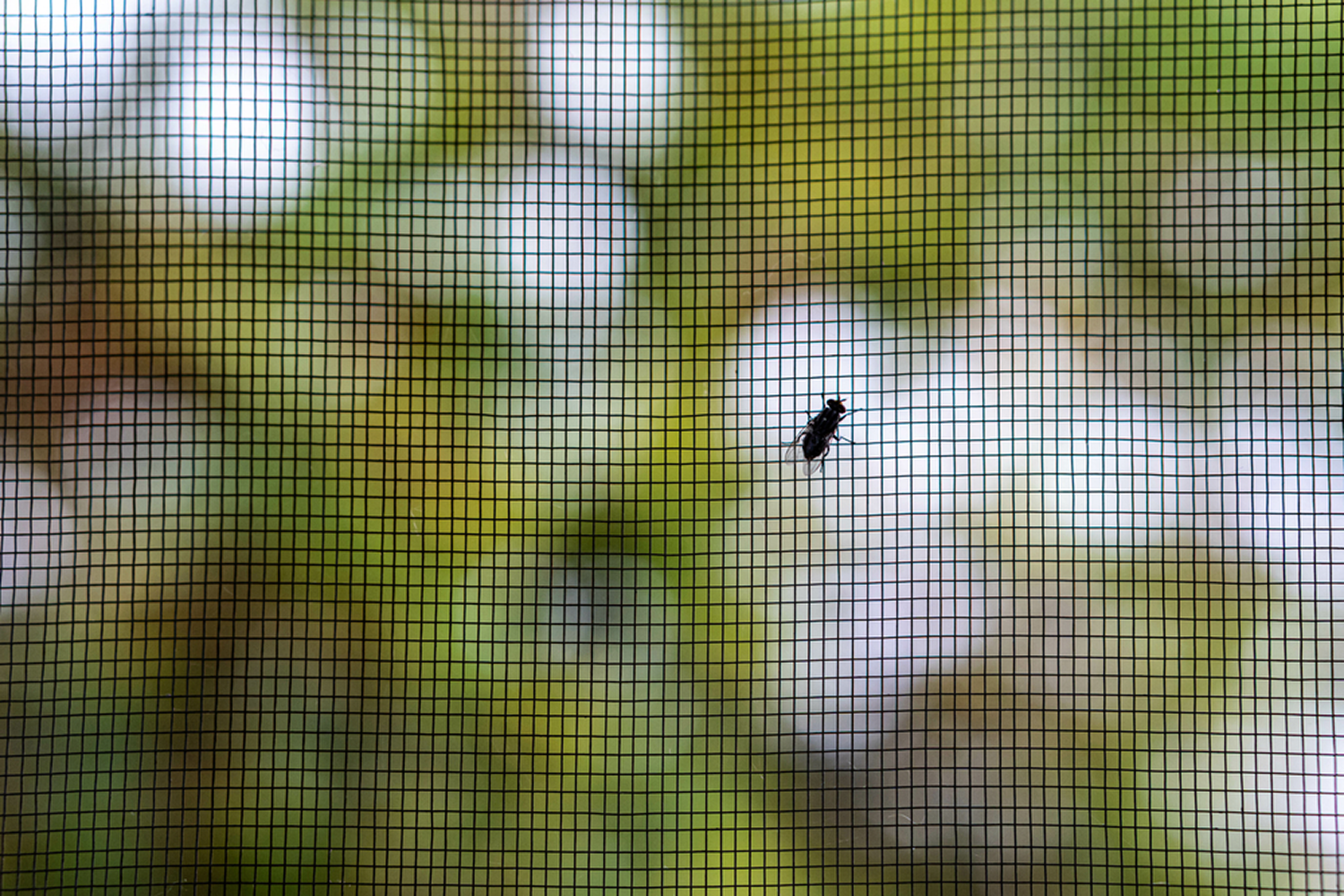
There is nothing quite like throwing open your patio doors on a beautiful afternoon, only to have a swarm of uninvited mosquitoes crash your relaxing weekend. High-quality insect screens act as a shield for your home, helping to keep pesky bugs and flying leaves exactly where they belong so you can relax in peace. At the same time, these brilliant additions welcome in the refreshing breezes and natural sunlight you crave, transforming your indoor space into a comfortable, well-ventilated oasis. Whether you choose a lightweight, durable aluminum design or upgrade to our TruScene® insect screen with 50% more clarity, you can maximize your fresh air without sacrificing a crystal-clear view of your backyard.
Standard Aluminum vs. TruScene® Insect Screens: What's the Difference?
When it comes to Renewal by Andersen® window and Andersen® patio door insect screens, you have two primary mesh options to choose from. Here's how they stack up.
Standard Aluminum Screens
Renewal by Andersen's standard insect screens are built from durable, lightweight aluminum. They’re easy to handle, easy to clean. These screens are a practical, reliable choice that works well in most homes and deliver solid performance year-round.
TruScene® Stainless Steel Mesh Screens
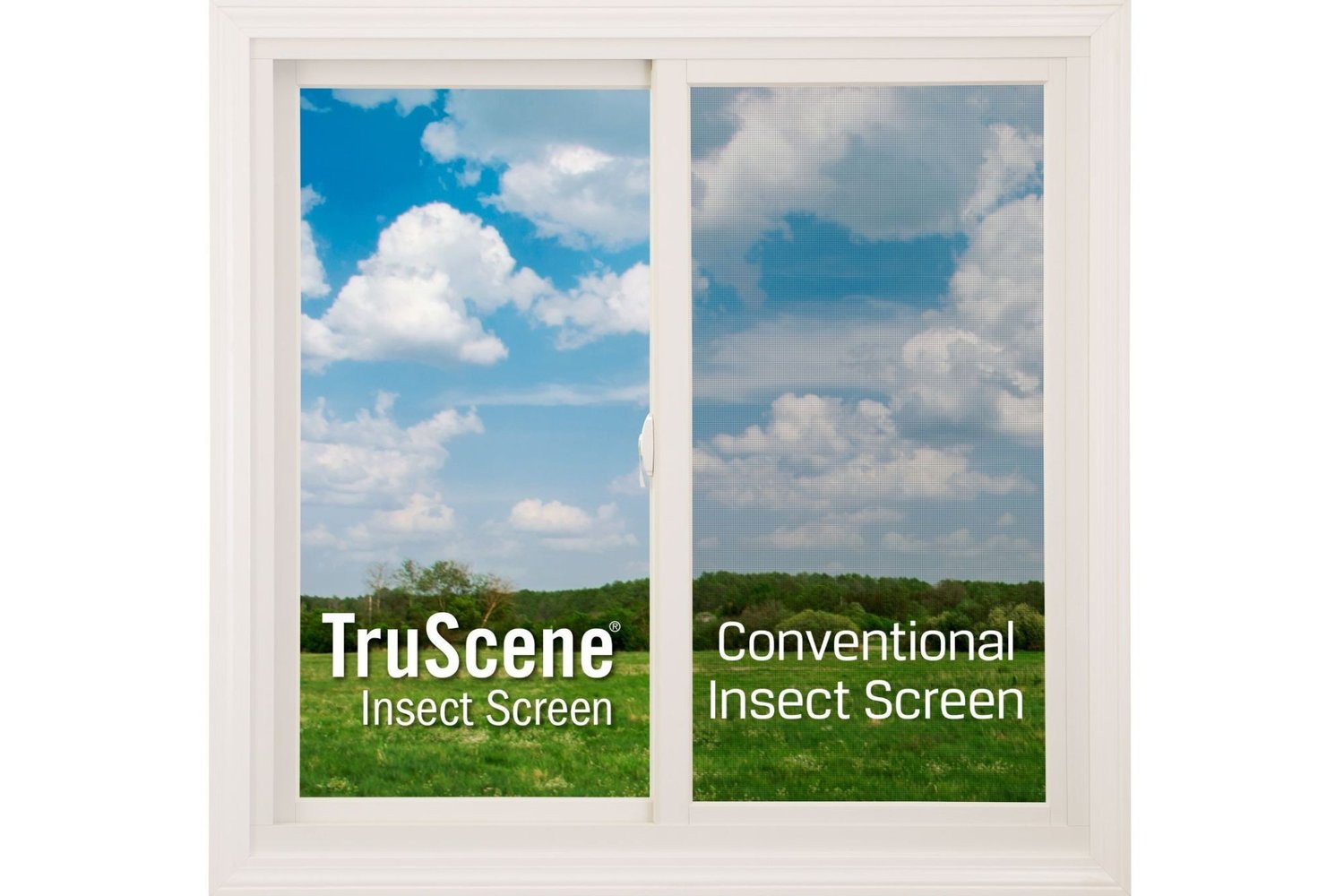
TruScene® insect screens take things a step further. Made from micro-fine stainless steel wire mesh that's one-third the diameter of standard screen wire, they offer 50% more clarity than our standard aluminum screens—so much so that they're virtually invisible from inside the home.
The effect is striking. Where a standard insect screen places a subtle visual filter between you and your backyard, a TruScene® insect screen almost disappears. You get the view, the light, and the airflow, with even better insect protection thanks to the tighter weave.
Stainless steel is also stronger than aluminum, which means TruScene® screens resist damage from everyday use and hold their shape over time.
| Feature | Standard Aluminum | TruScene® Stainless Steel |
|---|---|---|
| Material | Lightweight aluminum | Micro-fine stainless steel |
| Clarity | Standard | 50% more than aluminum |
| Strength | Durable | Stronger than aluminum |
| Best for | Everyday use | Unobstructed views |
| Cleaning method | Water + mild soap | Dry dusting only |
For homeowners who want maximum clarity without giving up protection, TruScene® insect screens are hard to beat.
Screen Options by Patio Door Series: Find the Right Fit
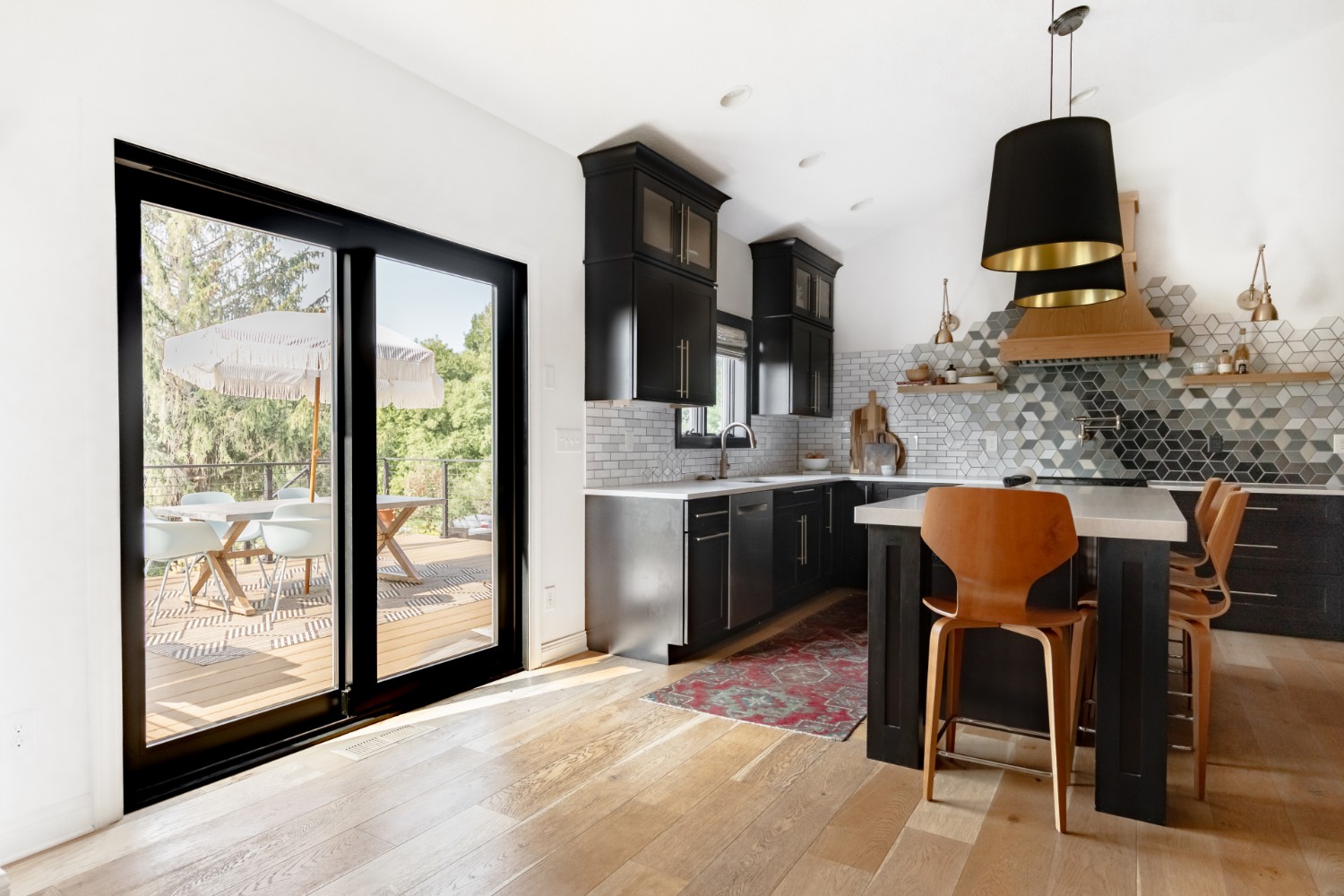
When it comes to enjoying that perfect indoor/outdoor vibe, insect screens for Andersen® patio doors make all the difference. Finally, a screen that's not just practical but also stylish. It's like it was made to fit seamlessly with Andersen patio doors because, well, it was. No more clunky screens that mess with the flow of a carefully curated look. Instead, this screen is here to not only blend in effortlessly, but elevate the entire patio experience.
Insect screens for A-Series patio doors
A-Series doors offer the most expansive range of insect screen options for patio doors, including:
- Top-hung gliding/gliding insect screen — Premium top-hung screens feature silicone-embedded glide hooks that hang from the top of the screen track, allowing smooth, effortless gliding without interference from debris. Alignment rollers on the bottom keep everything on track, and a perimeter bug seal helps keep insects from sneaking through the gaps.
- Hinged insect screen — Available for single-panel hinged inswing patio doors.
- Double-hinged insect screen — Designed for two-panel jamb-hinged inswing patio doors.
- Retractable insect screen — Installed on the exterior for sliding patio doors and on the interior for hinged outswing doors. When not in use, the screen neatly retracts into a canister, keeping it protected and out of sight.
All A-Series screens are color-matched to the door's exterior finish.
Insect screens for 400 Series patio doors
400 Series doors offer gliding, hinged, and retractable insect screen configurations, including:
- Gliding screen — Available for two- and three-panel sliding patio doors, with bottom rollers and self-contained leveling adjusters for smooth, consistent operation.
- Hinged screen — Available for single-panel hinged patio doors and two-panel, active-passive or passive-active configurations.
- Retractable screen — Available for two-panel sliding patio doors, installed on the exterior, and offered in four standard exterior colors.
Insect screens for 200 Series patio doors
200 Series doors keep things straightforward with two solid options:
- Gliding/sliding screen — Available for two- and four-panel patio doors. Andersen's patented square corner joint construction adds strength and durability to the frame, and bottom rollers with self-contained leveling adjusters make for smooth, reliable operation.
Retractable insect screen — Available for two-panel and four-panel patio doors, retracting into a canister mounted on the exterior. Available in six color options: white, canvas, sandtone, terratone, dark bronze, and black.
Not sure which screen configuration suits your specific setup? A Renewal by Andersen Design Consultant can confirm the right fit for your door series and help you choose the best option for your home.
We Handle Insect Screen Installation
When you purchase Andersen® patio doors from Renewal by Andersen, our team handles the full installation—including the insect screens—so everything fits and functions exactly as it should. However, if you ever need to install or reinstall an insect screen yourself, the process is simple. Here are clear, step-by-step instructions for installing patio door insect screens.
Watch how to easily install an Andersen retractable screen on a 200 Series Narroline® gliding patio door.
For added peace of mind, Andersen provides detailed print and video guides for both single and double doors, making it even easier to visualize each step before you start. Plus, if you ever hit a snag, support is just a call or click away.
How to Clean Your Insect Screens the Right Way
Cleaning your insect screen can help it last—and a little seasonal attention goes a long way. Renewal by Andersen recommends cleaning insect screens at least twice a year: once in spring to remove winter salt and grime, and again in fall to clear out summer dust and pollen before storing for winter.
Cleaning standard aluminum screens
What you'll need: garden hose, soft-bristle brush, mild soap solution, tarp or ground cloth, microfiber towel

Steps:
- Remove the insect screen from the window or door
- Lay it on a tarp and brush off loose debris
- Spray with a garden hose on low pressure
- Apply mild soap solution in a circular motion using the soft-bristle brush
- Rinse thoroughly until all soap is removed
- Shake off excess water, then towel dry
- Lean the screen upright and allow to dry fully in the sun
- Inspect for any damage before reinstalling
- Reinstall and ensure all hardware is properly locked
This is a satisfying spring or fall weekend task—the kind where you can see the results immediately.
Cleaning TruScene® insect screens
What you'll need: wool, feather, or synthetic duster—or a soft cloth
Steps:
- Remove the insect screen
- Gently dust or wipe down the mesh with your duster or soft cloth
- Reinstall and lock hardware
Important: Do NOT use water or a hose on TruScene® insect screens. The micro-fine stainless steel mesh requires dry cleaning only. This is one of the most common mistakes homeowners make, so it's worth keeping in mind before you reach for the garden hose.
For a visual walkthrough, Renewal by Andersen's video guide on removing, cleaning, and reinstalling insect screens is a great resource.
Maintenance Tips to Protect Your Screens (and Your Warranty)
Ongoing maintenance is required for warranty coverage, so a little consistent care protects both your screens and your investment. Here are a few easy habits worth building:
- Inspect insect screens annually for any damage, loose hardware, or signs of wear.
- Remove insect screens from the window or door before cleaning.
- Check that hardware is properly locked after every reinstallation, as an unsecured insect screen will not perform correctly.
- Store screens properly in winter by laying them flat or upright in a dry location to avoid ice damage and help extend their lifespan.
- Avoid abrasive cleaners, high-pressure water, and harsh chemicals on any screen type, as these can damage both the mesh and the frame.
For more detailed care guidance, Renewal by Andersen's Window Care resource hub is a useful reference.
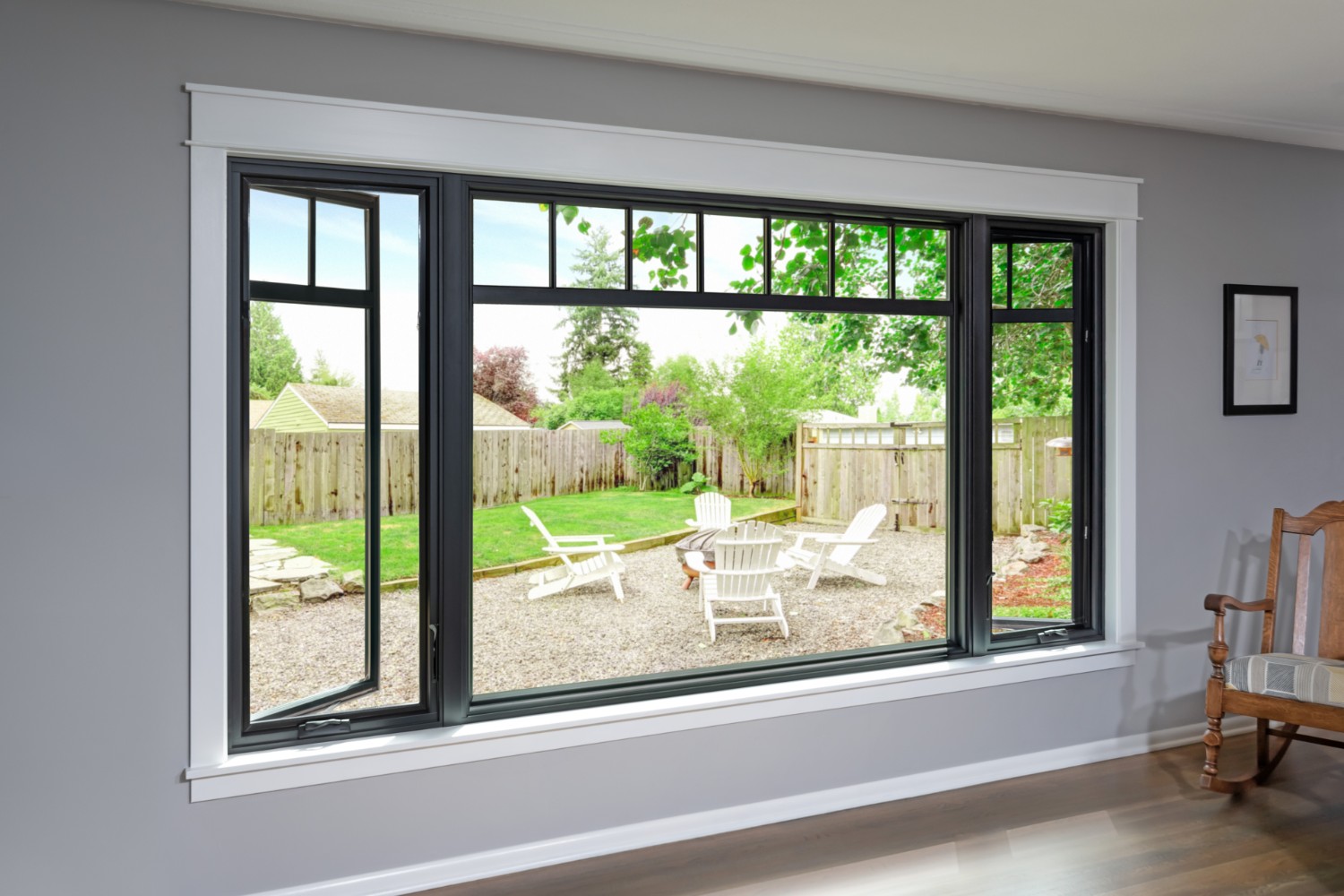
Fresh Air Without the Fuss
The right window and door insect screens help make a real difference in how comfortably you can live in and around your home. They're practical, they're customizable, and—when properly maintained—they deliver reliable performance, season after season.
For homeowners who want maximum clarity without compromising protection, TruScene® insect screens are the standout choice. And regardless of which screen type you choose, a simple twice-yearly cleaning routine helps keep everything looking sharp and functioning smoothly—while keeping your warranty intact.
Open doors to fresh air, clear views, and comfortable living all season long. To explore insect screen options for your windows and patio doors, connect with a Renewal by Andersen Design Consultant to find the perfect fit for your home.
Frequently Asked Questions About Insect Screens
Learn more about insect screens for doors and windows and about their care and maintenance
How often should I clean my insect screens?
It’s recommended to clean your screens twice a year—once in spring to remove winter grime and again in fall to clear out summer dust and pollen. Regular cleaning helps maintain their appearance and functionality.
Can I use insect screens year-round, or should I remove them in winter?
Insect screens can be left in place year-round, but removing and storing them during winter can extend their lifespan by protecting them from ice, snow, and debris.
Do insect screens affect the view through my window?
Standard aluminum screens do create a subtle visual filter, which is noticeable in certain lighting. TruScene® stainless steel mesh screens, however, offer 50% more clarity—designed to be virtually invisible so your outdoor views stay front and center.
What's the difference between a gliding screen and a retractable screen?
Gliding screens slide horizontally across the door opening and stay in place whether you're using the door or not. Retractable screens pull across the opening when needed, then tuck neatly into a wall-mounted canister when not in use—a cleaner look, and better protection for the screen itself when it's not needed.
Will installing a retractable screen void my patio door warranty?
No. Installing the appropriate Andersen retractable screen on an Andersen® patio door will not void the patio door warranty. Just make sure you're using the right screen for your door series. See your door limited warranty for details.